What Is an AML Check for Crypto Wallets?
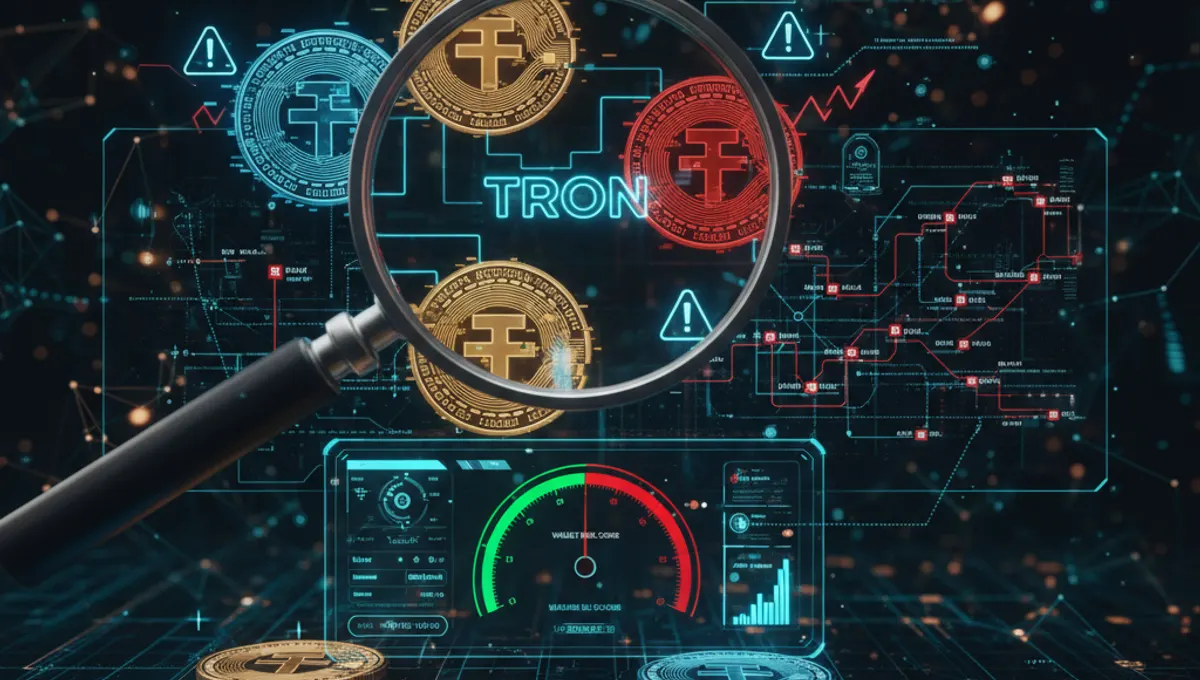
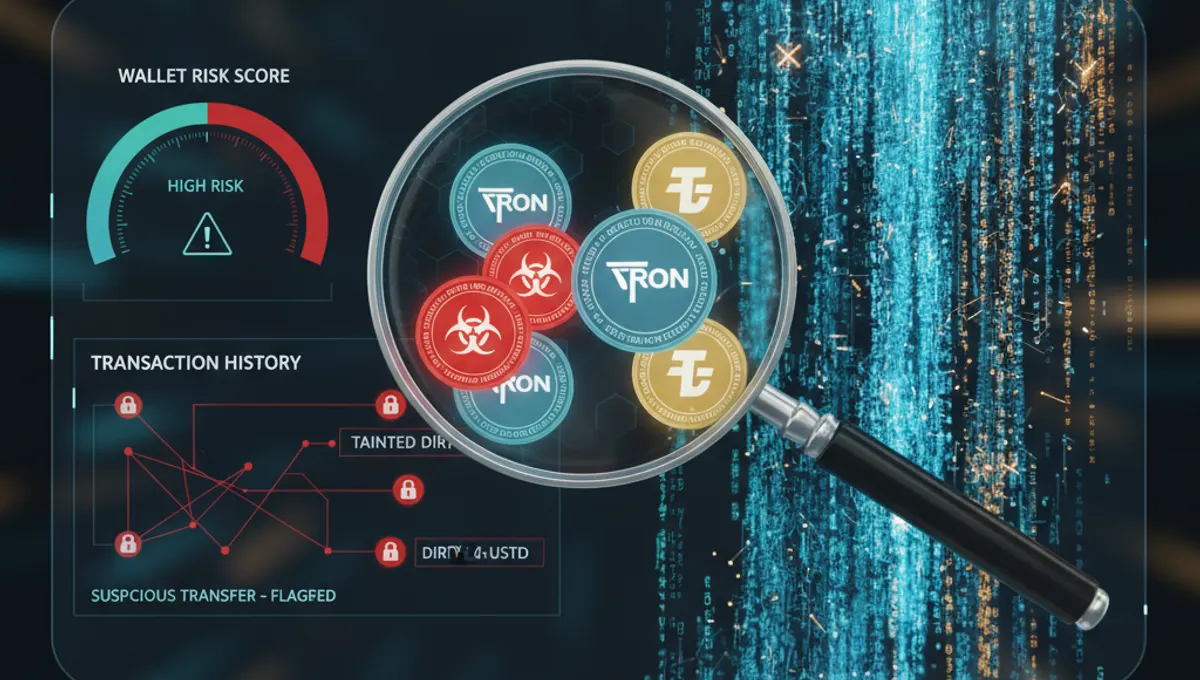
An AML check crypto wallet is a compliance screening that analyzes a blockchain address for money laundering risk. It examines the wallet's transaction history, source of funds, and connections to known high-risk entities such as mixers, darknet markets, scams, and sanctioned individuals or organizations. The check produces a risk score—typically ranging from low to critical—that indicates the likelihood of regulatory or compliance issues. Unlike a simple balance lookup, an AML check requires blockchain analytics to trace fund origins and detect patterns associated with illegal activity. This screening helps individuals and businesses avoid receiving stolen cryptocurrency, which exchanges can freeze or flag for investigation.
How Does the AML Check Process Work?
The AML check process follows these steps: First, you enter a wallet address (USDT TRC20, Tron TRX, Bitcoin BTC, or Ethereum ETH). Second, the screening tool queries blockchain data and cross-references the address against known risk databases, including sanctions lists, stolen fund registries, and darknet marketplace wallets. Third, the tool traces transaction patterns—looking for mixing service usage, rapid fund transfers, or connections to flagged entities. Fourth, it calculates a risk score based on transaction velocity, entity reputation, and regulatory flags. Finally, you receive a report showing the risk level, specific risk categories (e.g., mixer exposure, gambling, scam association), and transaction history. The entire process typically takes seconds to minutes depending on wallet age and transaction volume.
What Are AML Check Requirements and Risk Score Levels?
AML check requirements vary by exchange and jurisdiction, but most platforms require a low-to-medium risk score for deposits and withdrawals. Risk score levels are typically categorized as follows: Low (0–20%) indicates minimal risk and normal transaction patterns; Medium (21–50%) suggests some exposure to high-risk entities but not necessarily illegal activity; High (51–80%) flags significant darknet, mixer, or scam connections; Critical (81–100%) indicates direct links to stolen funds, sanctions, or confirmed illegal activity. Most exchanges accept deposits from low-risk wallets without delay. Medium-risk wallets may trigger manual review. High and critical wallets are often rejected or frozen pending investigation. Some jurisdictions require stricter thresholds; always check your exchange's specific AML check requirements before transferring large amounts.
Step-by-Step: How to Check a Crypto Wallet Before Transfer
Follow these steps to perform an AML check on a Tron, USDT, or Bitcoin address:
- Copy the wallet address you want to screen (ensure it is correct to avoid checking the wrong wallet).
- Visit a trusted AML screening service—our curated AML Services directory lists verified providers that offer wallet checks with transparent risk scoring.
- Paste the address into the search field and select the blockchain (TRC20 for USDT on Tron, Tron network for TRX, Bitcoin network for BTC).
- Run the scan and wait for the report to generate.
- Review the risk score, risk categories, and transaction history.
- Check for specific red flags: mixer usage, darknet marketplace connections, sanctioned entity links, or stolen fund markers.
- If the risk score is acceptable for your exchange's requirements, proceed with the transfer. If the score is high or critical, contact the sender or reconsider the transaction.
What Happens If Your Crypto Wallet Is Flagged as High Risk?
If your wallet receives a high or critical risk score, several outcomes are possible. Your exchange may freeze USDT or other deposits pending manual review by compliance staff. Withdrawals may be delayed or blocked entirely. In severe cases, your account may be suspended or permanently closed if the wallet is linked to sanctions, stolen funds, or confirmed illegal activity. You may be asked to provide proof of fund origin or complete additional KYC verification. If the flagged wallet belongs to you, contact your exchange's compliance team with documentation explaining the transaction history. If you received funds from a flagged wallet unknowingly, you can request a review or attempt to move the funds to a new wallet (though the risk may transfer). Exchanges are required by law to report suspicious activity, so transparency and quick action improve your chances of resolution. Avoid using mixers or high-risk services to clean coins, as this typically increases scrutiny rather than reducing it.
AML Check Fee and Service Comparison
AML check fees vary widely depending on the service and depth of analysis. Many providers offer free basic wallet screening with limited transaction history and a simple risk score. Premium or enterprise plans charge per check, ranging from a few dollars to hundreds for detailed reports and API access. Some exchanges include AML checks in their deposit process at no additional cost to users. When comparing services, consider: accuracy of risk scoring, speed of results, coverage of blockchain networks (Tron, Bitcoin, Ethereum, etc.), depth of transaction history provided, and whether the service includes sanctions list cross-referencing. Our AML Services page compares verified providers, helping you choose a service that matches your needs and budget. For occasional personal checks, free or low-cost options are sufficient. For businesses processing multiple wallets daily, enterprise plans with API integration and detailed reporting are more practical.
Common Risk Categories in AML Checks
AML check reports flag several risk categories that indicate potential compliance issues: Mixer exposure means the wallet has sent or received funds through a mixing service designed to obscure transaction trails. Darknet marketplace connections indicate the wallet has transacted with known darknet market addresses. Scam association flags wallets linked to confirmed Ponzi schemes, rug pulls, or fraud. Stolen funds markers indicate the wallet received cryptocurrency from a theft or hack. Sanctioned entity links show connections to individuals or organizations on government sanctions lists. Gambling exposure flags wallets with high transaction volume to gambling platforms. Ransomware connections indicate the wallet received extortion payments. Each category carries different regulatory weight; stolen funds and sanctions links are the most serious and typically result in immediate freezes or account closure. Understanding these categories helps you assess whether a flagged wallet poses genuine risk or simply has legitimate but unusual transaction patterns.
Frequently asked questions
Can I do a free AML check on a crypto wallet?
Yes, many blockchain analytics services offer free basic AML checks that provide a risk score and transaction summary. Free checks typically show limited history and simplified risk categories. For detailed reports, sanctions cross-referencing, and API access, paid plans are usually required. Check our AML Services directory for providers offering free screening options.
What does a critical risk score mean in an AML check?
A critical risk score (typically 81–100%) indicates the wallet has direct links to stolen funds, sanctions violations, or confirmed illegal activity. Exchanges almost always freeze or reject deposits from critical-risk wallets. If you receive this score, contact your exchange's compliance team immediately or reconsider the transaction entirely.
How long does an AML check take for a USDT TRC20 address?
Most AML checks complete within seconds to two minutes for USDT TRC20 addresses. Speed depends on wallet age, transaction volume, and service load. Older wallets with extensive history may take slightly longer. Real-time results are standard for reputable screening services.
Will an AML check detect if a wallet received stolen cryptocurrency?
Yes, AML checks cross-reference wallet addresses against stolen fund registries and blockchain analysis databases. If a wallet received cryptocurrency from a confirmed theft or hack, the check will flag it as stolen funds and assign a high or critical risk score. This is one of the most serious risk markers.
What should I do if my exchange froze my USDT due to an AML check?
Contact your exchange's compliance team immediately with documentation of your transaction history and fund origin. Provide proof that you did not knowingly receive tainted coins. Exchanges may lift freezes after manual review if the risk is deemed acceptable. Transparency and quick response improve resolution chances.