What Are AML Checks and Why Do They Cost Money
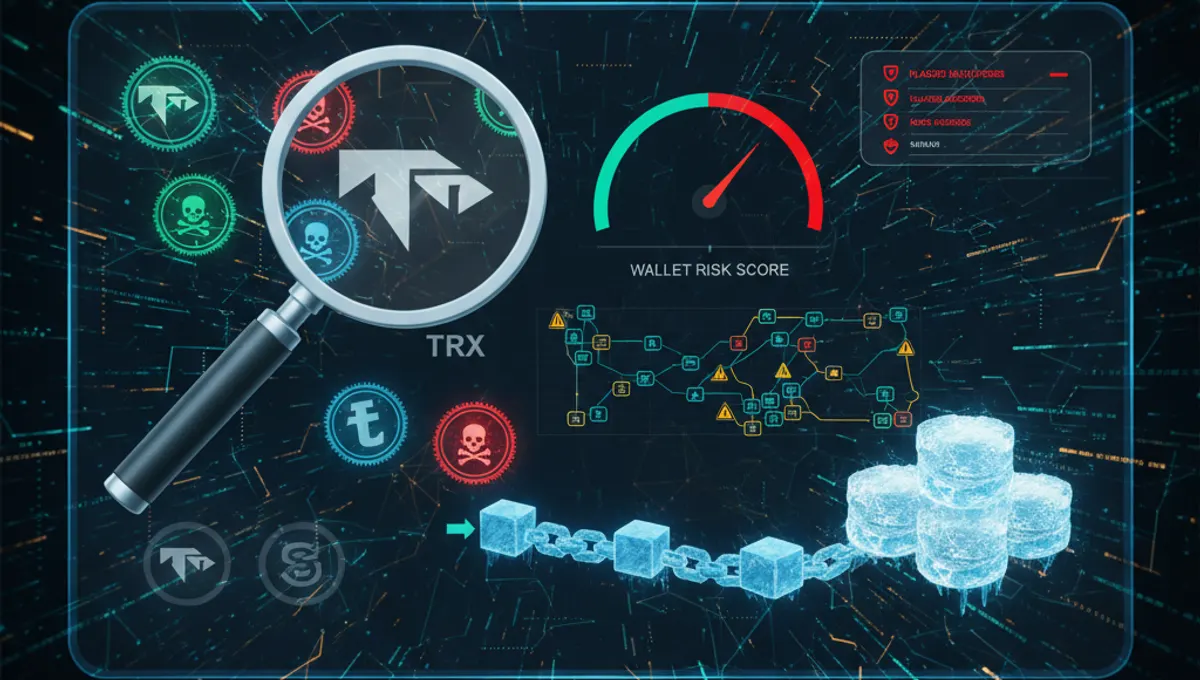
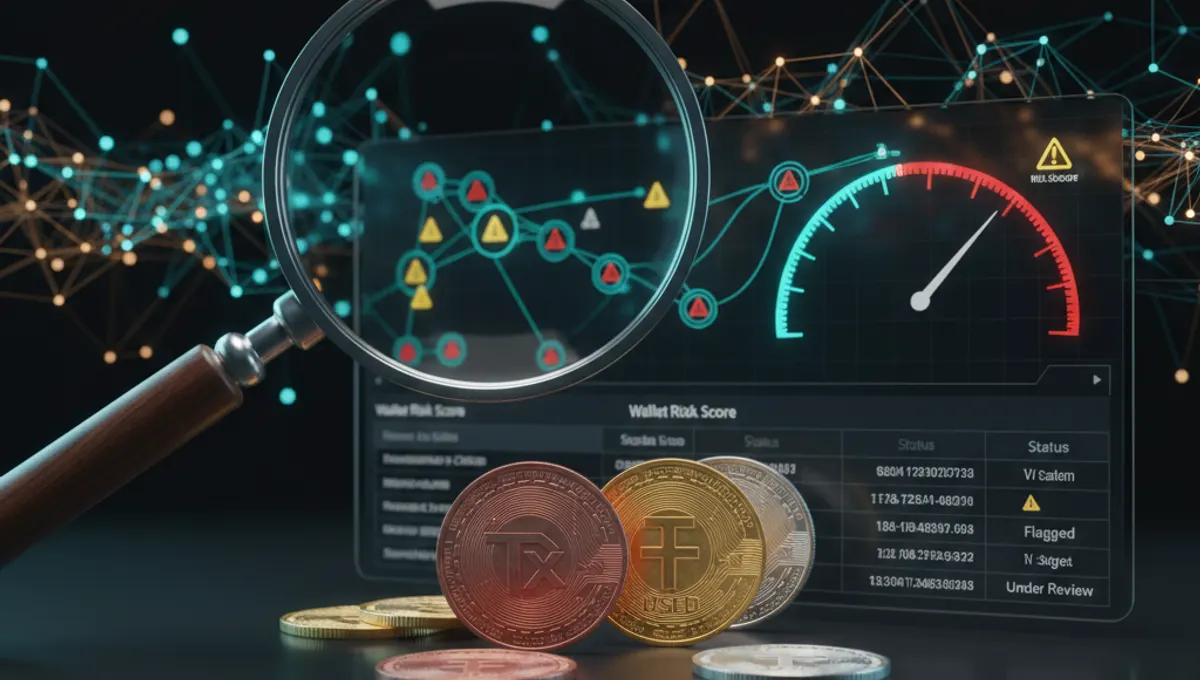
AML checks screen blockchain addresses against sanctions lists, stolen fund databases, darknet market wallets, and other risk indicators. The cost reflects the infrastructure required: access to multiple data sources, real-time blockchain monitoring, regulatory compliance databases, and ongoing threat intelligence updates. When you perform an AML check on a crypto wallet, you're paying for database queries, risk scoring algorithms, and the operational overhead of maintaining compliance-grade systems. Exchanges and custodians absorb these costs internally, but standalone wallet screening services pass them to users. The fee structure depends on transaction volume, data freshness, and the breadth of risk categories screened (mixers, sanctions, scams, stolen coins).
How Do AML Checks Work and What Determines the Fee
AML checks work by cross-referencing a wallet address against multiple data sources: OFAC sanctions lists, known darknet market addresses, theft databases, and transaction history analysis. The process involves querying blockchain data, clustering related addresses, and assigning a risk score. Fees are determined by several factors:
- Query complexity—simple address lookups cost less than deep transaction history analysis;
- Data freshness—real-time monitoring costs more than periodic updates;
- Volume discounts—high-transaction users get lower per-check rates;
- Service tier—basic screening is cheaper than detailed compliance reports. Some platforms charge per API call, others per unique address screened, and others per transaction monitored. Enterprise services often negotiate custom pricing based on monthly volume and required features.
Typical AML Check Fee Models and Price Ranges
Most crypto AML services use one of three pricing models:
Pay-per-check: $0.10 to $5 per wallet address screened. Suitable for occasional users who need to verify a few addresses before receiving funds.
Monthly subscription: $50 to $500+ per month for unlimited or high-volume checks. Designed for traders, exchanges, and businesses processing multiple transactions daily.
Enterprise/API pricing: Custom quotes based on transaction volume, data requirements, and SLA guarantees. Typically starts at $1,000+ monthly for institutional clients.
Additional fees may apply for: enhanced risk reports, historical transaction analysis, compliance documentation, and dedicated support. Free AML checks exist but usually offer limited screening depth—they may check against basic sanctions lists but miss stolen fund databases or mixer detection. Paid services provide comprehensive risk scoring, which is critical for avoiding frozen USDT or exchange account bans.
How to Check a Wallet Before Receiving USDT or TRX Without Overspending
To minimize AML check costs while protecting yourself:
1. Use free screening first: Start with basic free tools to rule out obvious red flags (OFAC sanctions, known darknet addresses).
2. Pay for deep checks only when necessary: If a transaction is large or the source is unfamiliar, invest in a paid AML check to get a full risk score.
3. Choose the right service tier: For occasional checks, pay-per-check is cheaper than a monthly subscription. For daily trading, a subscription saves money per transaction.
4. Batch your checks: Some platforms offer discounts for checking multiple addresses at once.
5. Review our verified AML services list: The curated directory on this site compares pricing, features, and screening depth across trusted providers. Starting there ensures you're paying for legitimate, compliance-grade screening rather than unreliable tools.
6. Set a cost threshold: Decide in advance how much you'll spend per transaction based on transaction size. A $0.50 check on a $100,000 USDT transfer is reasonable insurance.
What Risk Score Levels Mean and When to Pay for Detailed Reports
AML services assign risk scores on a scale (typically 0–100 or 0–10, depending on the platform). Understanding these helps you decide if a detailed report is worth the extra cost:
Low risk (0–20): Clean address, minimal exposure to sanctions or theft. Usually safe to proceed; basic free check may suffice.
Medium risk (21–60): Some exposure to mixers, gambling, or unverified sources. Pay for a detailed report to understand the specific risk category.
High risk (61–100): Strong indicators of sanctions, darknet activity, stolen funds, or scams. Do not proceed without a full compliance report, even if it costs more.
Detailed reports typically cost $5 to $50 and include transaction history, entity identification, and specific risk reasons. They're essential before accepting large transfers or if your exchange requires compliance documentation. Paying for clarity upfront is cheaper than dealing with frozen USDT or account bans later.
Comparing AML Check Costs Across Service Types
Different service types have different cost structures:
Blockchain analytics platforms: Often charge per API call or monthly subscriptions ($100–$1,000+). Best for ongoing monitoring and institutional use.
Wallet screening tools: Typically $0.50–$3 per check or $20–$100 monthly. Designed for individual traders and small businesses.
Exchange-integrated AML: Usually free to exchange users but may be limited in scope. Exchanges absorb costs but may not screen as thoroughly as standalone services.
Compliance consultants: Custom pricing, often $500–$5,000+ for detailed reports and legal guidance. For high-stakes transactions or regulatory inquiries.
For most users, wallet screening tools offer the best cost-to-value ratio. Our verified AML services directory lists options with transparent pricing so you can compare before committing. Avoid services with hidden fees or unclear pricing models—legitimate providers disclose costs upfront.
What to Do If Your Coins Are Flagged as Tainted and Additional Costs
If an AML check flags your coins as tainted (linked to theft, sanctions, or darknet activity), additional costs may arise:
Compliance reporting: $50–$500 to document the source and prove legitimacy to your exchange.
Legal consultation: $200–$2,000+ if you need to dispute a flag or prove you acquired coins unknowingly.
Exchange remediation: Some exchanges charge fees to review flagged transactions; others may simply freeze funds without recourse.
Replacement costs: If coins are frozen, you may need to source clean coins elsewhere, potentially at a premium.
To avoid these costs, perform AML checks before accepting large transfers. If you receive flagged coins, act quickly: contact the sender to trace the source, gather documentation, and file a dispute with your exchange if warranted. Paying for a thorough AML check upfront ($1–$5) is far cheaper than dealing with frozen USDT or account bans later. Review the verified AML services on this site to find providers that offer dispute support or compliance documentation as part of their service.
Frequently asked questions
How much does a single AML check cost
A single AML check typically costs $0.10 to $5 depending on the service and screening depth. Basic free checks exist but offer limited risk detection. Paid checks include sanctions screening, stolen fund detection, and mixer analysis. For occasional users, pay-per-check is more economical than a subscription.
Is there a free way to do AML checks on crypto wallets
Yes, some platforms offer free basic AML checks against OFAC sanctions lists and known darknet addresses. However, free checks usually miss stolen fund databases and advanced risk scoring. For comprehensive screening before receiving USDT or TRX, paid checks are recommended to avoid frozen funds or exchange bans.
What is included in an AML check fee
An AML check fee covers database queries against sanctions lists, theft databases, mixer detection, and risk scoring algorithms. Detailed reports may include transaction history analysis, entity identification, and compliance documentation. Enterprise fees also cover API access, real-time monitoring, and dedicated support.
How do I know if an AML check service is worth the cost
Check if the service screens against multiple data sources (OFAC, stolen funds, darknet markets, sanctions), provides a clear risk score, and offers compliance documentation. Compare pricing across verified providers on trusted directories. Services that integrate with major exchanges or offer dispute support justify higher fees.
Can I avoid AML check costs by not screening wallets
Skipping AML checks risks receiving tainted coins, which can lead to frozen USDT, exchange account bans, or compliance issues. Paying $1–$5 for a check upfront is far cheaper than losing access to funds or facing legal complications. Most serious traders and businesses treat AML checks as a necessary compliance cost.