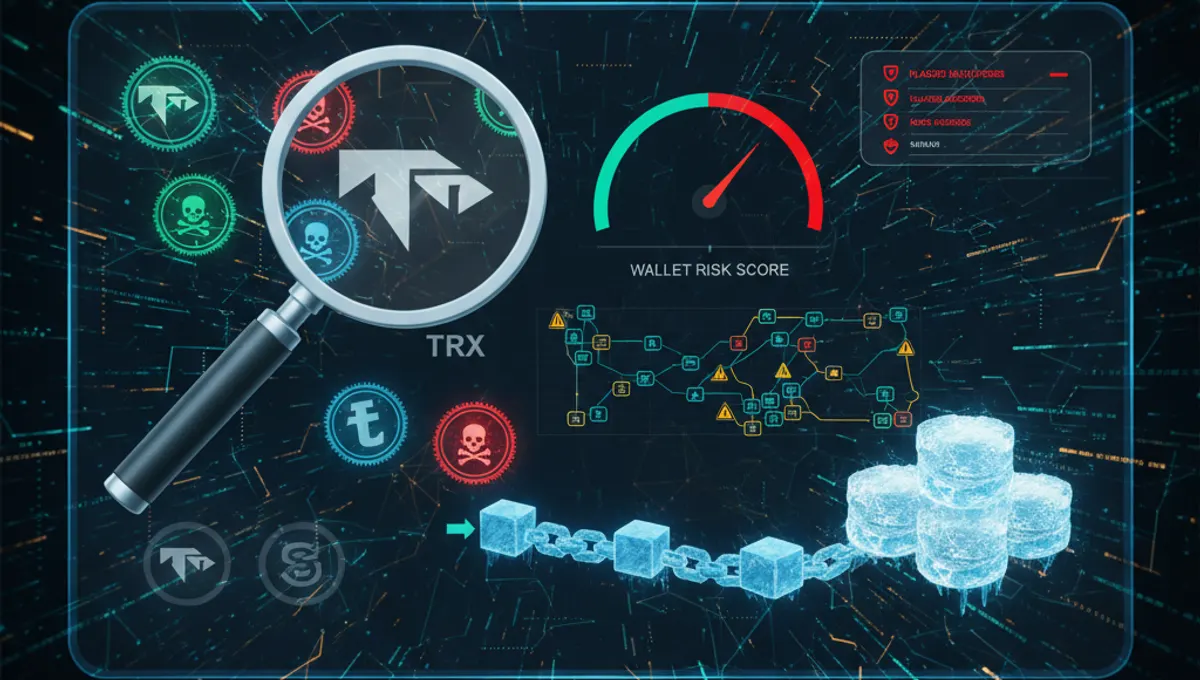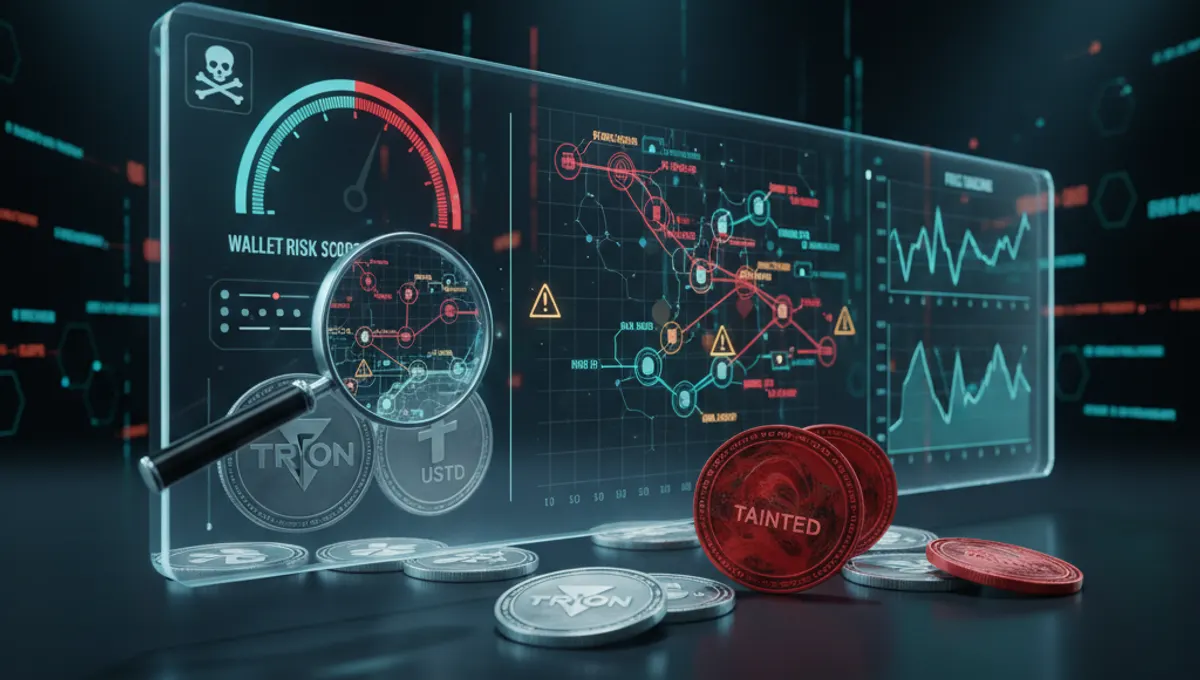
What is AI-Powered Crypto Price Monitoring with AML Integration
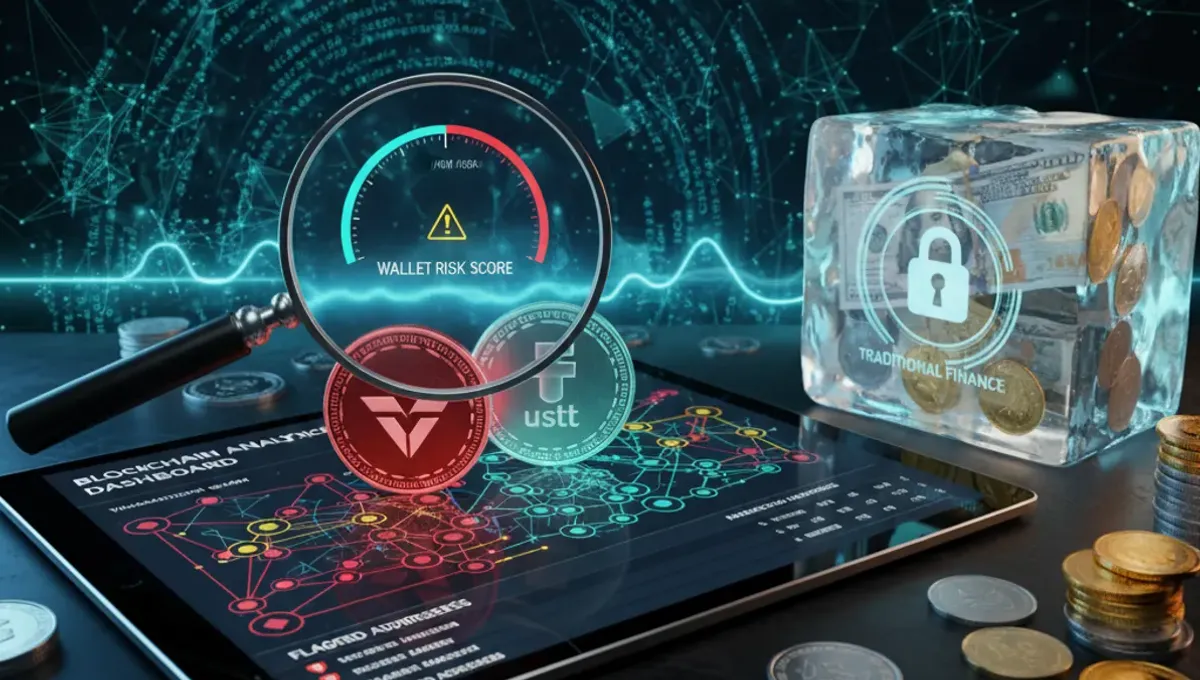
Modern blockchain analytics platforms use machine learning to track crypto prices while simultaneously monitoring transaction patterns and wallet histories. These systems don't just show you BTC or ETH price movements—they analyze whether incoming funds originate from high-risk sources. When you're about to receive cryptocurrency, an integrated AML check crypto system flags addresses linked to mixers, ransomware payments, or sanctioned entities. This dual functionality means traders can make price-informed decisions without accidentally accepting tainted coins that exchanges will later reject. The AI learns from historical blockchain data to improve detection accuracy over time, identifying suspicious patterns humans might miss.
How AML Risk Scoring Works in Crypto Transactions
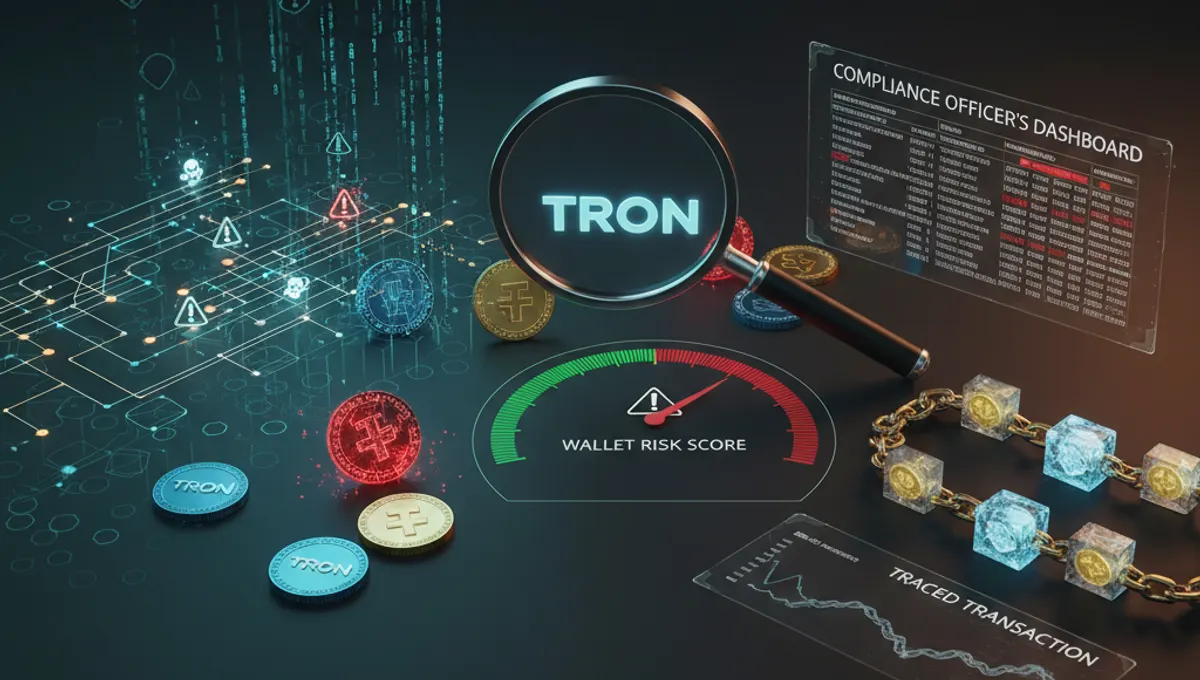
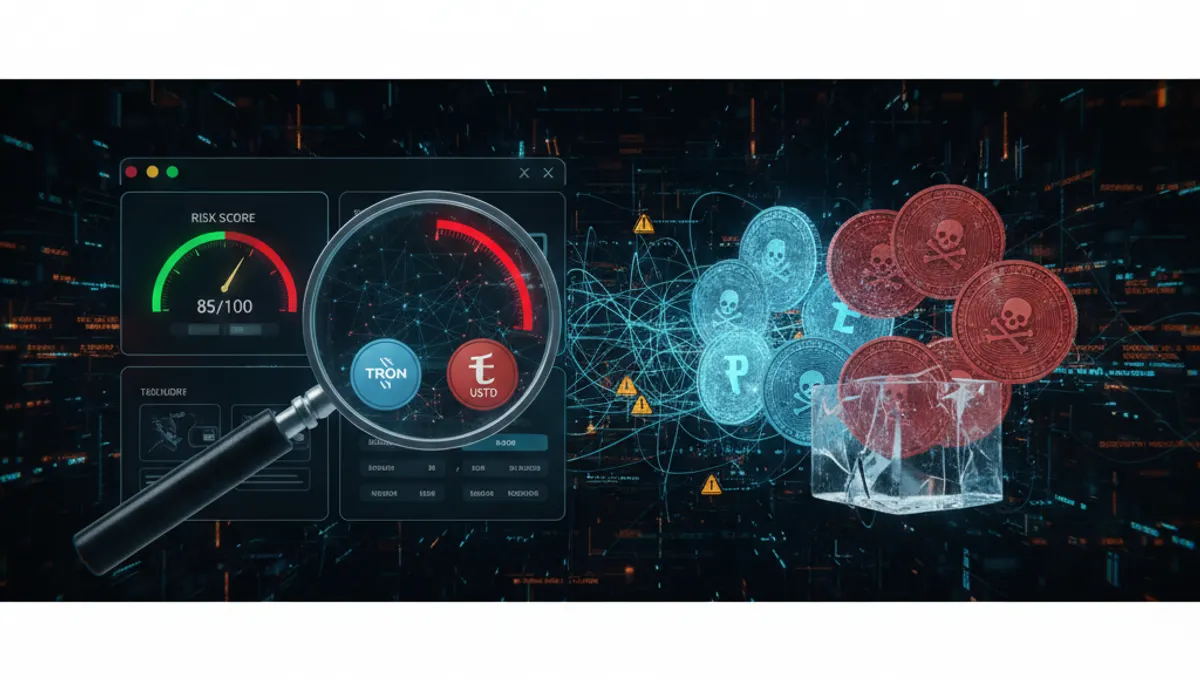
An AML crypto check assigns a numerical risk score (typically 0–100 or 0–1000 scale) based on multiple factors: transaction history, wallet age, mixing service usage, darknet market connections, and sanctions list matches. Low scores (green zone) indicate clean funds from known exchanges or long-established wallets. Medium scores (yellow) suggest some exposure to higher-risk activities but not necessarily illegal. High scores (red) mean the address has direct links to stolen funds, ransomware, or sanctioned entities. Exchanges use these scores to decide whether to accept deposits or freeze accounts. Understanding risk thresholds helps you determine whether incoming crypto is safe to accept. Most compliance teams flag scores above 50–70 as requiring manual review before settlement.
Are Crypto Transactions Traceable Through AML Screening
Yes—are crypto transactions traceable is a core principle of modern AML systems. Every blockchain transaction is permanently recorded and publicly visible on the ledger. AI-powered analytics tools trace coin movement across addresses, exchanges, and time periods, building a complete transaction history. Even if a sender tries to obscure their identity through mixers or privacy coins, blockchain forensics can often identify patterns and reconstruct the flow. This traceability is why exchanges require KYC verification and conduct transaction monitoring. When you check a wallet address before receiving funds, you're leveraging this traceability to confirm the coins haven't been stolen or sanctioned. The immutability of blockchain records makes it nearly impossible to hide a transaction's origin permanently.
KYT Crypto and Real-Time Transaction Monitoring
KYT (Know Your Transaction) extends beyond traditional KYC by monitoring ongoing transaction activity rather than just verifying identity at signup. KYT crypto systems use AI to flag suspicious patterns in real time: sudden large transfers, rapid address-hopping, or connections to known darknet markets. When you receive crypto, a KYT check evaluates not just the sender's current address but their entire transaction history and behavioral patterns. This continuous monitoring helps exchanges and custodians catch money laundering attempts before funds settle. For traders, understanding KYT means recognizing that your account activity is continuously screened—large or unusual transactions may trigger additional review. Using verified AML services listed on our curated directory ensures your wallet checks meet institutional KYT standards.
Step-by-Step: How to Check a Wallet Before Receiving USDT or TRX
- Obtain the sender's wallet address (TRX, USDT TRC20, BTC, or ETH format).
- Visit a trusted AML screening service from our verified AML services directory.
- Paste the address into the search field and initiate the scan.
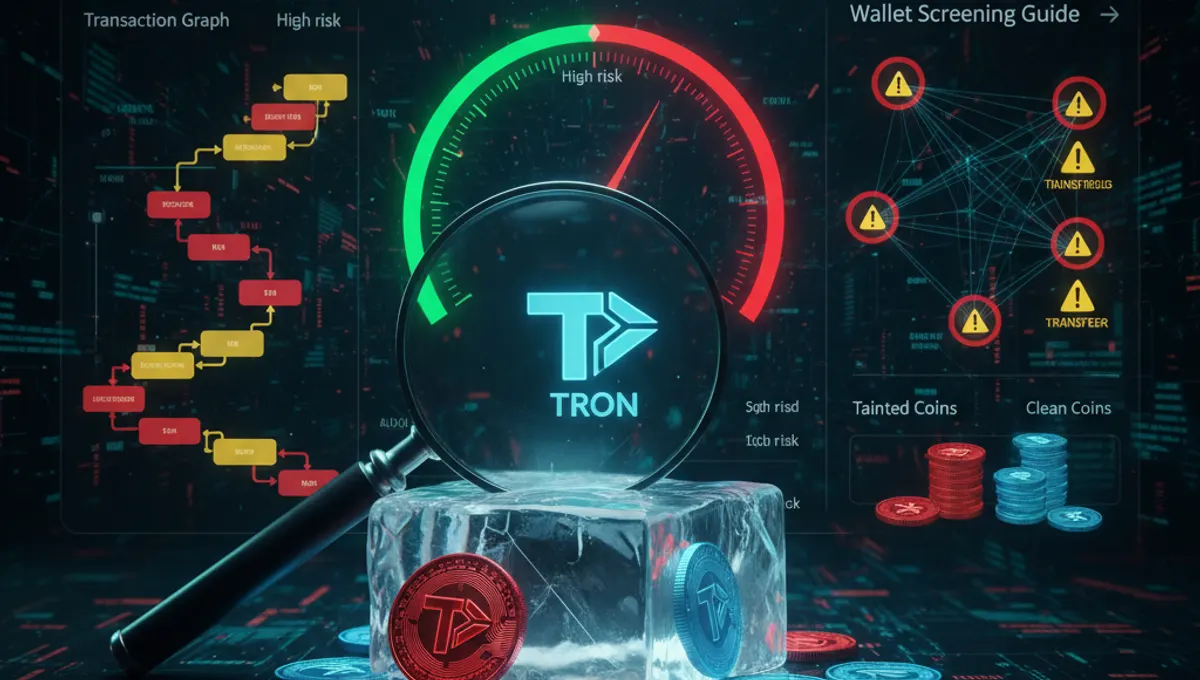
- Review the risk score: green (safe), yellow (review), red (high risk).
- Check the detailed report for specific flags: mixer usage, darknet exposure, stolen fund alerts, or sanctions matches.
- If the score is green or low yellow, the funds are likely safe to accept.
- If the score is high red or shows darknet/stolen fund links, decline the transaction or escalate to compliance.
- Document the screening result for your records in case of future disputes. This process takes 2–5 minutes and prevents account freezes from receiving tainted coins.
What Happens When Crypto Receives a High AML Risk Score
If your wallet receives funds flagged with a high AML risk score, several outcomes are possible. Exchanges may freeze your account pending manual review by their compliance team. Your funds could be held for 30–90 days while authorities investigate the transaction's origin. In severe cases (direct sanctions or ransomware links), exchanges may permanently ban your account and report the activity to financial regulators. You may be required to provide proof of the transaction's legitimacy or face asset seizure. Frozen USDT and other stablecoins are particularly vulnerable because exchanges treat them as fiat-adjacent and apply stricter compliance rules. To avoid this scenario, always screen incoming addresses before accepting large transfers. If you accidentally receive flagged funds, contact the exchange's compliance team immediately with documentation of the transaction source.
Acceptable AML Risk Score Thresholds and Compliance Standards
Most institutional exchanges and custodians use these thresholds: 0–20 (very low risk, auto-approved), 21–50 (low-moderate risk, standard processing), 51–75 (elevated risk, manual review required), 76–100 (high risk, likely rejection or account freeze). Retail traders should aim to receive only coins scoring below 50 to avoid compliance friction. Some exchanges are stricter, rejecting anything above 30. Darknet exposure, mixer usage, or any sanctioned entity connection typically results in automatic rejection regardless of overall score. Stolen fund flags always trigger account freezes. When choosing an AML service, verify it uses institutional-grade risk scoring aligned with FinCEN and FATF guidelines. Our directory of verified AML services provides transparent scoring methodologies so you know exactly how risk is calculated before screening your wallet.
Frequently asked questions
Can I check if crypto I received is tainted before depositing to an exchange
Yes. Use an AML check crypto service to scan the sender's wallet address before accepting the transfer. The screening will flag stolen funds, sanctions links, or mixer exposure. If the risk score is high, decline the transaction. If you've already received flagged funds, contact your exchange's compliance team immediately with proof of the transaction source. Early screening prevents account freezes.
What does a high AML risk score mean for my USDT or TRX wallet
A high AML risk score (typically 70+) indicates the address has connections to mixers, darknet markets, ransomware, or sanctioned entities. Exchanges may freeze your account, hold funds for investigation, or ban you entirely. Stablecoins like USDT face stricter scrutiny. Always screen wallets before receiving large transfers to avoid frozen funds and compliance issues.
How do AI systems detect if crypto transactions are traceable and risky
AI analyzes blockchain transaction history, wallet age, mixing service usage, and sanctions list matches. Machine learning identifies patterns linking addresses to darknet markets or stolen funds. Since all blockchain transactions are permanent and public, AI can reconstruct complete transaction flows. This traceability is why are crypto transactions traceable—the ledger is immutable and analyzable.
What is the difference between KYT crypto and KYC verification
KYC (Know Your Customer) verifies your identity at signup. KYT crypto (Know Your Transaction) monitors your ongoing transaction activity in real time. KYT systems flag suspicious patterns, rapid transfers, or darknet connections continuously. Both are required by exchanges; KYT catches money laundering attempts after account creation, while KYC prevents fake accounts initially.
Where can I find a reliable AML check crypto service to screen wallets
Our curated directory of verified AML services lists institutional-grade screening tools with transparent risk scoring and compliance standards. Check the AML Services page to compare options, pricing, and features. Using verified services ensures your wallet checks meet regulatory standards and help you avoid receiving tainted coins that trigger account bans.