What Is the Core Difference Between Crypto and Real Money?
Real money (fiat) is government-issued currency with legal tender status, backed by the issuing nation's creditworthiness and enforced through law. Crypto is a digital asset secured by cryptography and maintained by a distributed network of computers. Fiat exists in physical form (cash) and digital form (bank accounts); crypto exists only digitally on a blockchain. Fiat transactions flow through regulated banks and payment networks with built-in compliance checks; crypto transactions are peer-to-peer and recorded on an immutable ledger. This means a crypto transfer cannot be reversed once confirmed, whereas a bank can dispute or halt a transaction. The pseudonymous nature of blockchain addresses means you cannot immediately identify who owns a wallet—this is why AML checks and KYT (Know Your Transaction) screening have become standard practice before accepting large crypto transfers.
How Do Regulation and Compliance Differ?
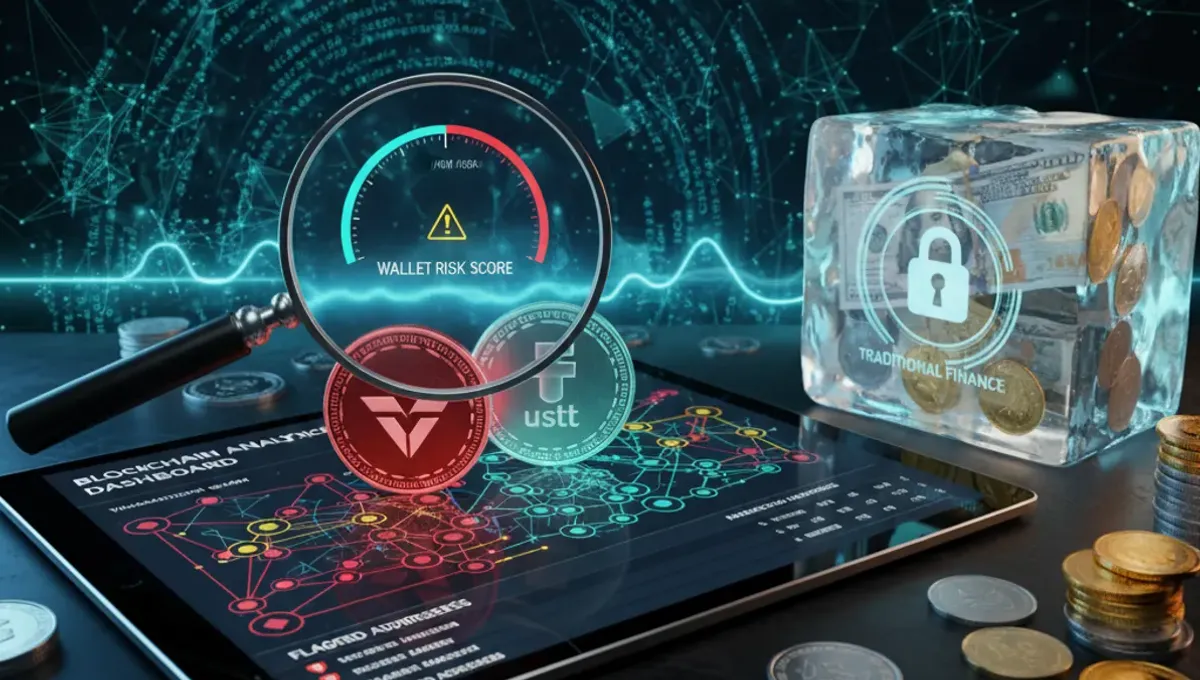
Fiat currencies are regulated by central banks and financial authorities in each jurisdiction, with strict rules on money laundering, sanctions compliance, and customer verification. Crypto operates in a regulatory gray area that varies by country—some nations embrace it, others restrict it, and many are still developing frameworks. Banks must perform AML checks on all customers and flag suspicious activity; crypto exchanges increasingly do the same, but peer-to-peer transfers between wallets have no built-in compliance layer. This creates a compliance gap: if you receive USDT or TRX from an unknown source, you have no automatic way to know if those coins are tainted. That's why checking a wallet's risk score and transaction history before accepting crypto is crucial. Many exchanges now freeze USDT or other assets if they detect they came from a mixer, darknet market, or sanctioned entity—leaving you unable to cash out or trade. Using a free or paid AML check service before a transfer protects you from receiving flagged coins.
What Are Hot Wallets vs Cold Wallets and Their AML Implications?
A hot wallet is connected to the internet and used for frequent transactions; a cold wallet is offline storage for long-term security. Hot wallets (mobile apps, exchange accounts, web wallets) are convenient but more vulnerable to hacking and are monitored by exchanges for compliance. Cold wallets (hardware wallets, paper wallets) offer better security but are not directly monitored—however, when you move crypto from a cold wallet to an exchange or another hot wallet, that transaction is screened. The distinction matters for AML: if you receive crypto into a cold wallet from a suspicious source, you may not know it's flagged until you try to deposit it into an exchange. Conversely, hot wallets on regulated exchanges are subject to transaction monitoring and KYT screening, so illicit activity is more likely to be caught. Before transferring large amounts, check the sending wallet's risk score and history using an AML service to avoid receiving coins that will later be frozen.
How Does AML Screening Work for Crypto Wallets?
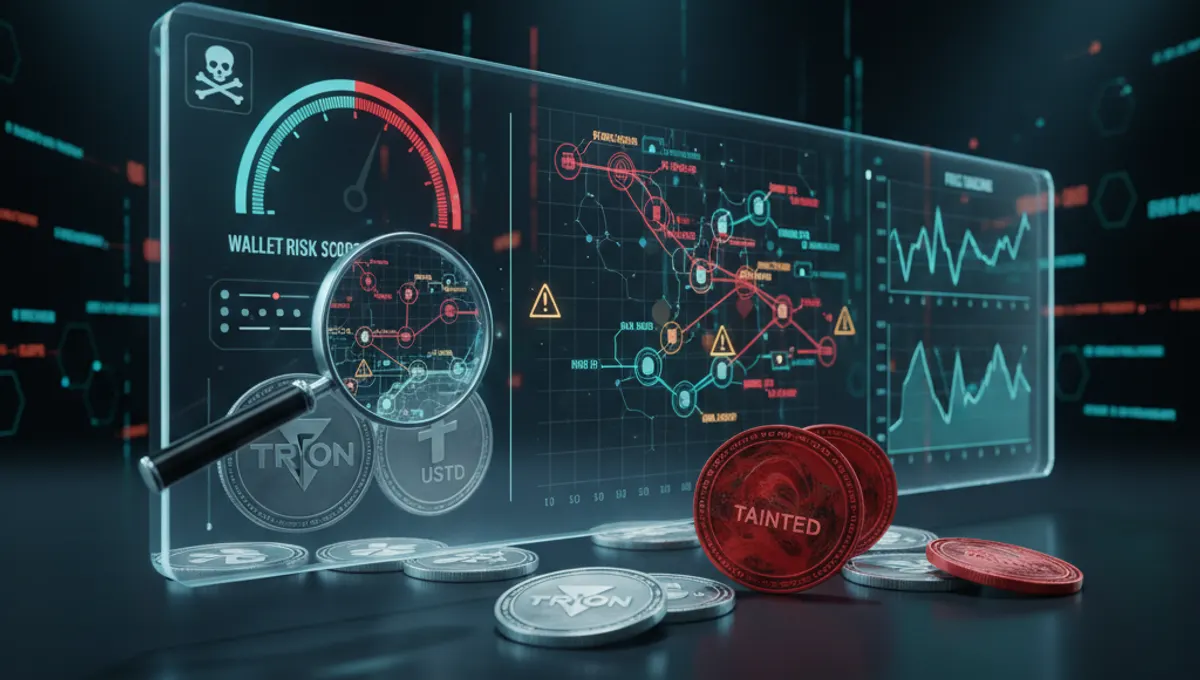
AML (Anti-Money Laundering) screening for crypto uses blockchain analytics to trace transaction history and flag wallets linked to known risks. When you submit a wallet address (TRON, Bitcoin, Ethereum, USDT TRC20, etc.), an AML service checks it against databases of: stolen funds, darknet market addresses, mixing services, sanctioned entities, and scam proceeds. The service returns a risk score—typically low (green), medium (yellow), or high (red)—based on transaction patterns and associations. A high-risk score doesn't mean the coins are definitely illegal, but it signals caution: the wallet may have received funds from a mixer, gambling platform, or address flagged by law enforcement. Exchanges use this data to decide whether to accept deposits; if your coins score high, the exchange may freeze them pending investigation or reject them outright. Free AML checks offer basic screening; paid services provide detailed transaction graphs and historical analysis. Before accepting a large transfer, use an AML check to see the wallet's risk profile and avoid frozen funds.
What Risk Categories Trigger AML Flags and Frozen Accounts?
Crypto wallets are flagged for several risk categories:
- Mixers and tumblers—services that obscure transaction trails;
- Darknet markets—addresses associated with illegal goods or services;
- Stolen funds—coins traced to hacks or theft;
- Sanctioned entities—wallets linked to individuals or organizations on government sanctions lists;
- Gambling and high-risk platforms—some exchanges restrict these;
- Scam proceeds—funds from Ponzi schemes or fraud. When an exchange detects flagged coins in a deposit, it may freeze the account, reject the transaction, or require additional KYC verification. In some cases, regulators may seize the funds. This is why checking a wallet before sending or receiving is not optional—it's a practical safeguard. If you receive USDT or TRX from an unknown party, running an AML check takes minutes and can prevent your account from being frozen. Our curated list of verified AML services on this site includes both free and paid options; starting there ensures you're using a trusted screening tool.
How to Check a Crypto Wallet Before Receiving a Transfer
Step-by-step process:
- Ask the sender for their wallet address or get it from the transaction details.
- Copy the full address (TRON, Bitcoin, Ethereum, etc.).
- Visit a trusted AML check service from our verified list.
- Paste the address into the screening tool.
- Review the risk score and transaction history.
- Check for any flags related to mixers, darknet, or sanctions.
- If the score is low or acceptable, proceed with the transfer; if high, ask the sender for clarification or decline. Acceptable risk thresholds vary by use case—a business receiving large payments may require a low score, while a peer-to-peer transfer might tolerate medium risk. Document the AML check result for your records in case of future disputes or regulatory inquiries. This process applies equally to USDT, TRX, Bitcoin, Ethereum, and other assets. For ongoing transaction monitoring, some services offer KYT (Know Your Transaction) features that flag suspicious patterns in real time.
Why Crypto Requires More Caution Than Traditional Banking
Traditional banks have established compliance infrastructure: every account holder is verified, transactions are monitored by compliance teams, and suspicious activity is reported to authorities. Crypto lacks this centralized oversight at the peer-to-peer level. A bank cannot send you stolen money without detection; a crypto wallet can. Once you accept tainted coins, reversing the transaction is nearly impossible—the blockchain is immutable. If you deposit flagged crypto into an exchange, your account may be frozen indefinitely, and recovering the funds requires proving their legitimacy, which is difficult and time-consuming. This asymmetry means the burden of due diligence falls on you. Before accepting any significant crypto transfer, especially from unfamiliar sources, running an AML check is the equivalent of verifying a bank wire's legitimacy. It costs little (many checks are free) and can save you from account bans, frozen funds, and regulatory complications. Treat crypto transfers with the same caution you'd apply to large cash transactions.
Frequently asked questions
Can I send crypto the same way I send real money through a bank?
No. Bank transfers are reversible and monitored by compliance teams; crypto transfers are irreversible and pseudonymous. Once a blockchain transaction confirms, it cannot be undone. You also cannot dispute a crypto transfer through a bank. This is why verifying the recipient's wallet address and running an AML check before sending is critical—mistakes or fraud cannot be corrected after the fact.
What happens if I receive crypto from a wallet with a high AML risk score?
If you deposit high-risk crypto into an exchange, the exchange may freeze your account pending investigation, reject the deposit, or require additional verification. In some cases, regulators may seize the funds. You could lose access to your money for weeks or months. This is why screening wallets before accepting transfers is essential—it prevents you from receiving flagged coins in the first place.
Is a cold wallet safer than a hot wallet for avoiding AML issues?
Cold wallets are safer from hacking, but they don't protect you from receiving tainted coins. When you move crypto from a cold wallet to an exchange (hot wallet), that transaction is screened. If the coins are flagged, the exchange will freeze them. The safety difference is security, not compliance—you still need to verify the source of any crypto you receive, regardless of where you store it.
How long does an AML check take?
Most AML checks complete in seconds to a few minutes. You submit a wallet address, the service queries blockchain analytics databases, and you receive a risk score and transaction history. Some detailed reports take longer. Free checks are usually instant; paid services may offer more detailed analysis. Always check a wallet before accepting a transfer—it takes less time than the transfer itself.
Can I use the same AML check service for Bitcoin, Ethereum, USDT, and TRON?
Most comprehensive AML services support multiple blockchains, including Bitcoin, Ethereum, TRON (TRX and USDT TRC20), and others. However, verify that your chosen service covers the specific blockchain and token you're screening. Our curated list of verified AML services includes details on which blockchains each tool supports, making it easy to find the right one for your needs.