What Does 'Dirty' Mean in Crypto and Why AML Checks Matter
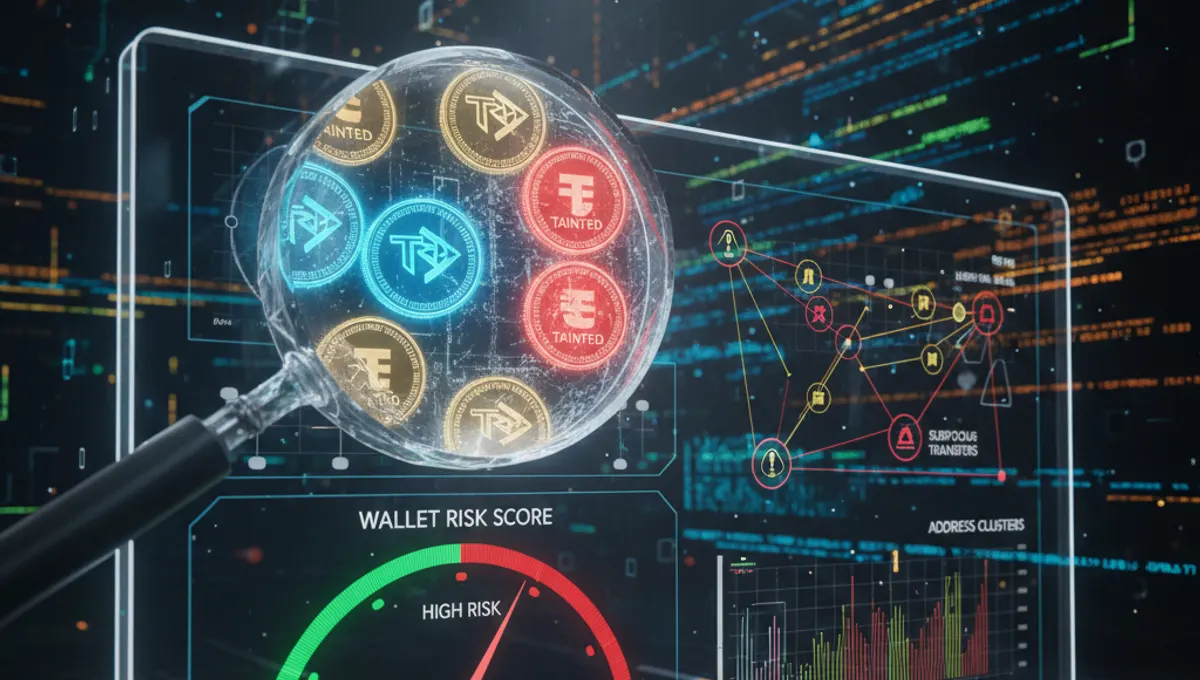
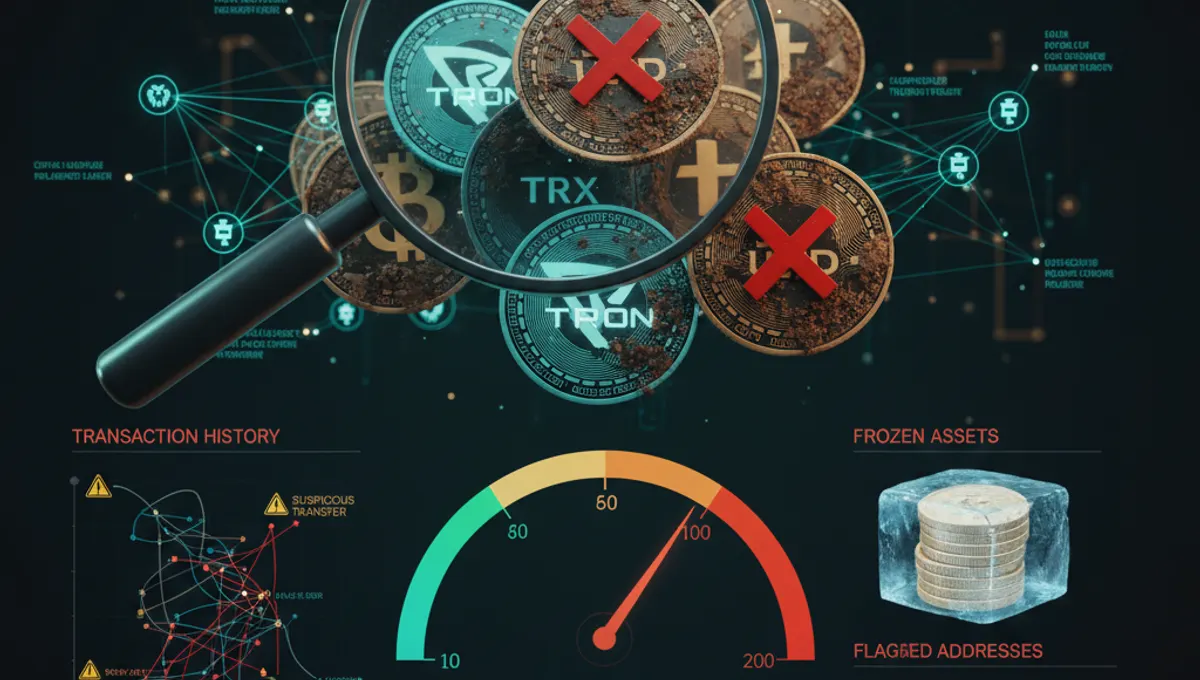
In cryptocurrency, 'dirty' refers to coins or tokens with a tainted transaction history—funds linked to theft, ransomware, darknet markets, gambling platforms, mixers, or sanctioned entities. When you receive dirty crypto, the blockchain permanently records that history. Exchanges and payment processors run AML checks to detect these risky addresses and block deposits or freeze accounts. Unlike traditional banking, where a dirty check might bounce, crypto exchanges enforce compliance by locking your funds indefinitely. AML (Anti-Money Laundering) checks scan blockchain transactions against known risk databases, sanctions lists, and behavioral patterns. If your wallet receives even a small amount of tainted crypto, the entire balance can be flagged. This is why screening addresses before accepting transfers is essential—once dirty funds enter your wallet, you inherit the compliance risk.
How AML Checks and Risk Scoring Work for Crypto Wallets
An AML check process analyzes a crypto address by tracing its transaction history backward and forward on the blockchain. The system assigns a risk score—typically ranging from low (0–20%), medium (20–50%), high (50–80%), or critical (80–100%)—based on several factors. Risk categories include: direct theft or fraud, mixer usage (coin tumbling services), darknet market connections, gambling platform links, and sanctions list matches. The AML check fee varies by service; some offer free basic screening, while comprehensive reports cost per wallet. The process examines not just the address itself but also its counterparties—who sent funds to it and where those funds came from. A single transaction from a high-risk source can elevate your entire wallet's score. Exchanges use these scores to decide whether to accept deposits, freeze accounts, or report activity to financial regulators.
Can a Stolen Check or Stolen Crypto Be Traced and Recovered
Yes, stolen crypto can be traced because every transaction is recorded on the blockchain permanently. Unlike cash, which is anonymous, each transfer leaves a digital footprint. Blockchain analytics firms use specialized tools to follow stolen funds through multiple addresses and exchanges. However, recovery is difficult and depends on where the funds end up. If stolen crypto is deposited on a regulated exchange, law enforcement can work with that exchange to freeze the account. If funds move through mixers or to decentralized wallets, tracing becomes much harder. Recovery also requires proof of ownership and cooperation from exchanges or law enforcement—civil recovery is rare. The key difference from a traditional stolen check is that you cannot simply stop payment; instead, you must report the theft to authorities and hope the exchange cooperates. This is why screening addresses before receiving transfers is critical—accepting stolen crypto makes you complicit in money laundering, even if you didn't know the source.
Step-by-Step: How to Check a Wallet Address Before Receiving Crypto
Before accepting any USDT, TRX, BTC, or ETH transfer, follow these steps to screen the sending address:
- Copy the sender's wallet address exactly (avoid typos).
- Visit a trusted AML check service (our curated AML Services page lists verified providers).
- Paste the address into the screening tool and run the scan.
- Review the risk score and detailed report, which shows transaction history, connected entities, and any flags.
- Check for red flags: mixer usage, darknet connections, theft reports, or sanctions matches.
- If the risk score is below your acceptable threshold (typically under 20% for strict compliance), proceed.
- If the score is high or critical, ask the sender for an alternative address or decline the transfer.
Many free AML check services offer basic screening; however, comprehensive reports with full transaction history often require a paid AML check fee. Starting with the trusted services on our AML Services page ensures you're using tools that integrate with major blockchain analytics providers and sanctions databases.
What Risk Score Levels Mean and Acceptable Thresholds
Risk scores indicate the likelihood that a wallet has been involved in illicit activity. Here's how to interpret them:
- Low (0–20%): Minimal risk; typical for long-held personal wallets or institutional addresses. Safe to receive.
- Medium (20–50%): Some risk indicators present, such as minor mixer interaction or unconfirmed associations. Proceed with caution; verify the sender's identity.
- High (50–80%): Significant red flags, including confirmed darknet links, theft reports, or gambling platform connections. Avoid unless you have strong reason to trust the sender.
- Critical (80–100%): Direct connection to known theft, ransomware, sanctions violations, or active darknet markets. Do not accept.
Most compliance-conscious individuals and businesses set their threshold at 20%—anything above triggers rejection. Exchanges typically freeze accounts that receive funds scoring above 50%. If you're unsure, err on the side of caution; the cost of a frozen account far exceeds the inconvenience of declining a transfer.
What Happens When Your Wallet Is Flagged as Dirty
If you deposit or receive flagged crypto, several outcomes are possible depending on where the funds land:
- Exchange freeze: If you deposit dirty crypto on a regulated exchange, the deposit is rejected or your account is frozen pending investigation. Funds may be held for weeks or permanently seized.
- Account ban: Exchanges may permanently close your account and restrict future access.
- Regulatory reporting: The exchange reports the activity to financial authorities (FinCEN in the US, FCA in the UK, etc.), creating a compliance record.
- Wallet blacklisting: Your address may be added to internal or third-party risk databases, making future transfers difficult.
- Legal exposure: In some jurisdictions, knowingly receiving stolen or sanctioned funds can trigger money laundering charges, even if you didn't initiate the transfer.
The best defense is prevention: screen addresses before accepting transfers. If you've already received flagged crypto, contact the exchange or custodian immediately to explain the situation and request clarification. Transparency often helps; attempting to hide or move dirty funds typically worsens the outcome.
How to Avoid Receiving Tainted Coins and Protect Your Account
Implement these practices to minimize the risk of receiving dirty crypto:
- Always screen sender addresses using an AML check service before accepting large transfers.
- Request proof of funds origin from unfamiliar senders; legitimate parties should be able to explain their wallet history.
- Use unique deposit addresses for different counterparties; this isolates risk and makes it easier to trace contamination.
- Monitor your wallet's risk score regularly using free or paid AML check services.
- Avoid receiving funds from known mixers, gambling platforms, or darknet-associated addresses.
- If you suspect a transfer is risky, ask the sender to use a different address or decline entirely.
- Keep detailed records of all transfers and their sources for compliance documentation.
- Use exchanges and custodians that perform rigorous AML checks on deposits; this adds a layer of protection.
Our curated AML Services page lists trusted providers that offer wallet screening, transaction monitoring, and risk reporting. Starting with these verified tools ensures you're using industry-standard methods to protect your account and avoid frozen USDT or TRX.
Frequently asked questions
Can I deposit a dirty check into my crypto wallet without consequences
No. Depositing dirty crypto triggers AML checks at exchanges, resulting in frozen accounts, rejected deposits, and potential regulatory reporting. Exchanges scan all incoming transfers against risk databases and sanctions lists. If your wallet receives tainted funds, the entire balance may be flagged. Prevention through address screening before accepting transfers is far safer than dealing with a frozen account afterward.
How can I tell if a crypto address is dirty before I receive funds
Use an AML check service to scan the sender's address. These tools analyze transaction history, detect mixer usage, identify darknet connections, and cross-reference sanctions lists. The result is a risk score (typically 0–100%). Scores below 20% are generally safe; above 50% indicate serious risk. Our AML Services page lists trusted providers offering free and paid screening options.
What does an AML check fee cover and is there a free option
AML check fees vary by provider and depth of analysis. Free basic checks typically show a risk score and summary flags. Paid reports (often per-wallet) include full transaction history, entity identification, and detailed risk breakdown. Comprehensive AML check processes with ongoing monitoring cost more. Many providers offer limited free scans; check our AML Services page for options matching your needs.
Can stolen crypto be traced and recovered if I receive it by accident
Yes, stolen crypto can be traced on the blockchain permanently. However, recovery is difficult and depends on where funds end up. If stolen crypto lands on a regulated exchange, law enforcement may freeze it. If it moves through mixers or decentralized wallets, tracing becomes harder. Recovery requires proof of ownership and cooperation from exchanges or authorities—civil recovery is rare. This is why screening before accepting transfers is critical.
What happens if my exchange account receives flagged crypto
Exchanges freeze accounts that receive dirty crypto pending investigation. Deposits may be rejected, your account locked, and funds held indefinitely. The exchange reports the activity to regulators (FinCEN, FCA, etc.), creating a compliance record. In some cases, accounts are permanently closed. Contact the exchange immediately to explain and request clarification. Transparency typically helps; attempting to hide flagged funds worsens the outcome.