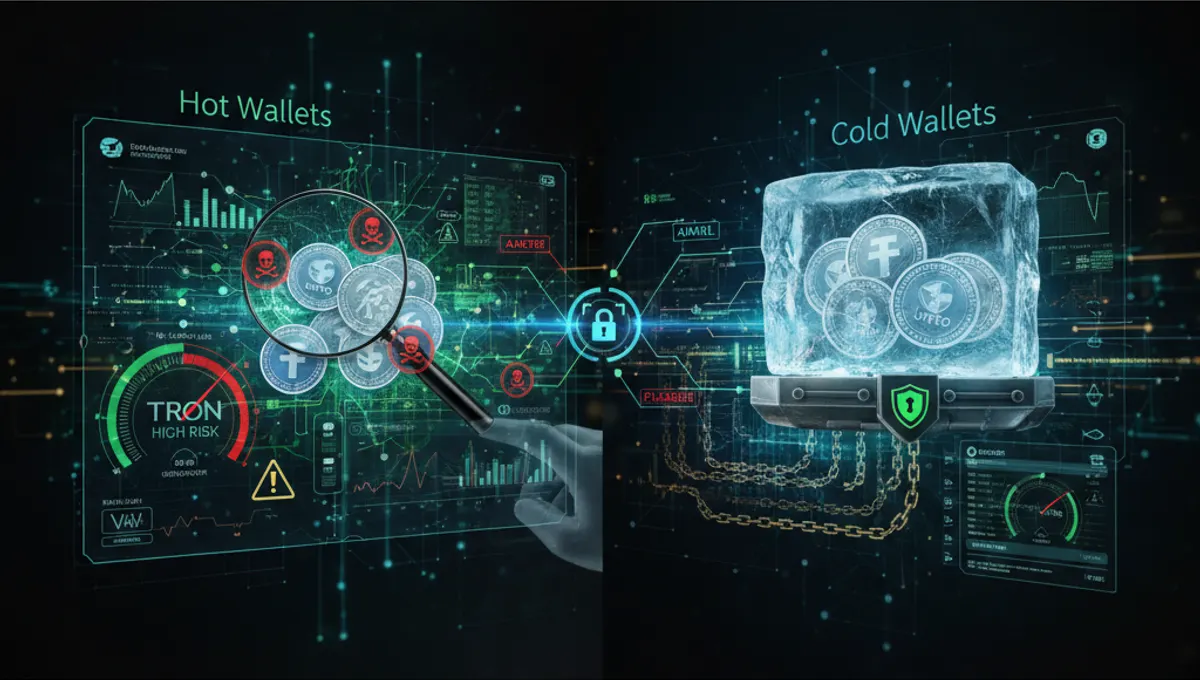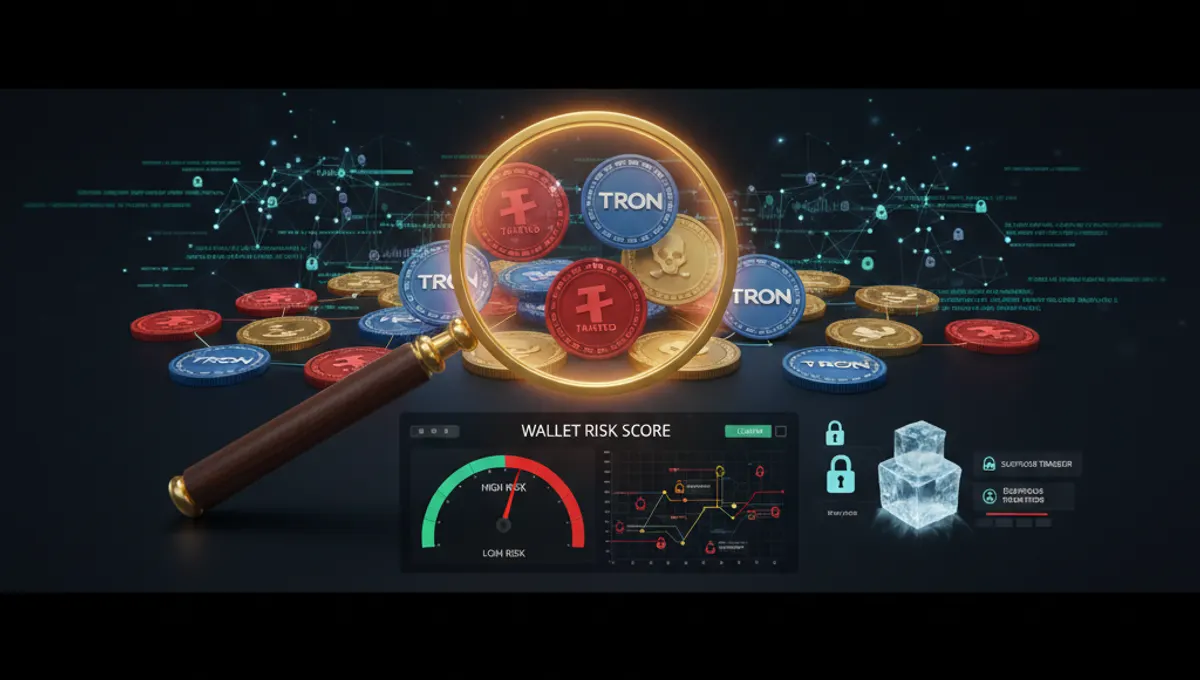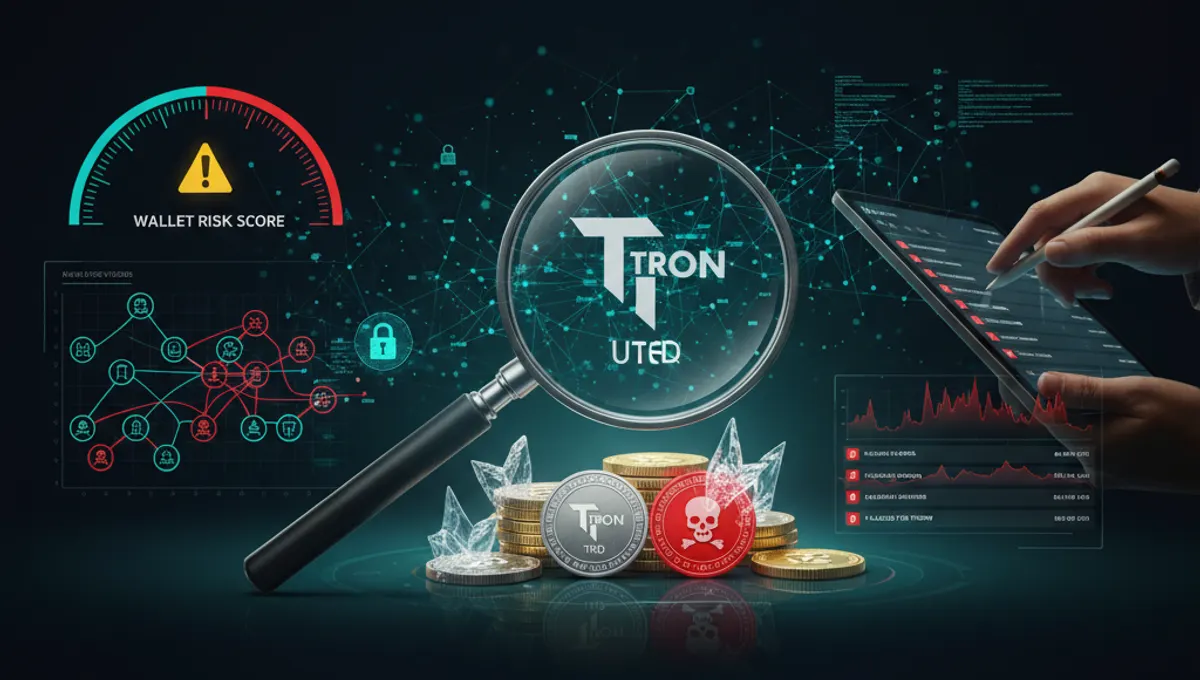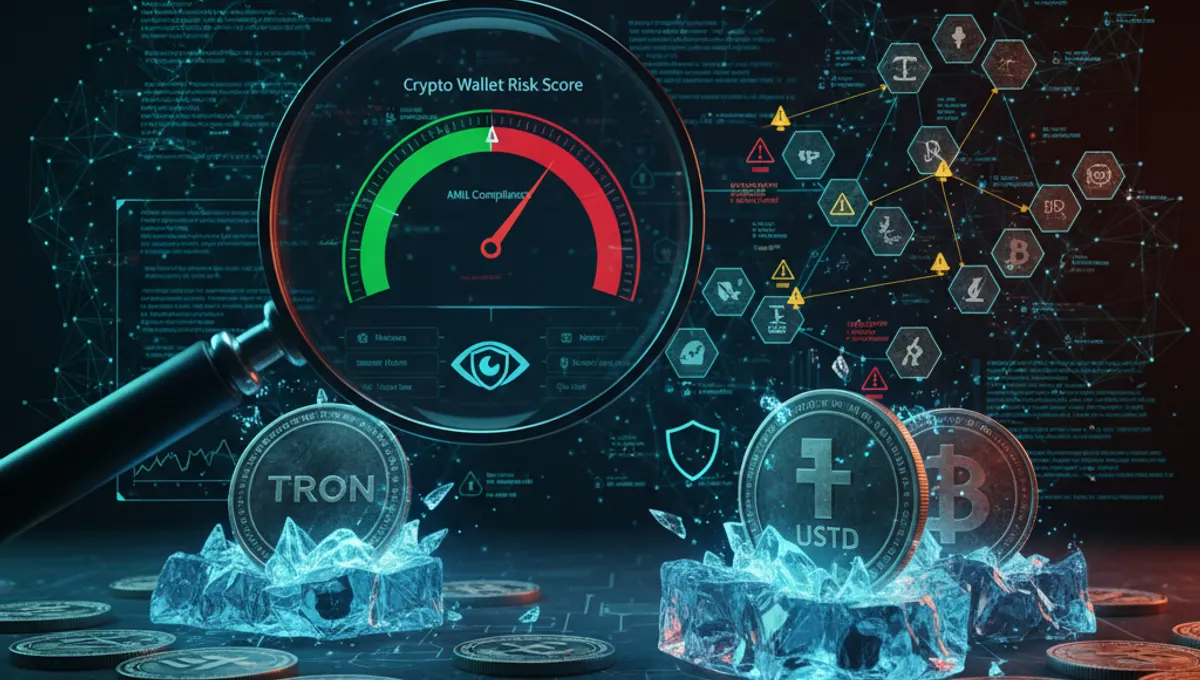
What Is a Crypto Wallet Risk Score?
A crypto wallet risk score quantifies the likelihood that an address has been involved in illicit or high-risk activity. Blockchain analytics firms assign scores on a scale (commonly 0–100 or low/medium/high) by analyzing on-chain data: transaction patterns, counterparty addresses, temporal clustering, and known blacklists. A score reflects accumulated risk from the wallet's entire transaction history, not just the most recent transfer. For example, if a wallet received funds from a known mixer or darknet market address, its score rises. If it has never interacted with flagged sources, the score remains low. Exchanges and compliance teams use these scores to decide whether to accept deposits, freeze accounts, or require additional verification. The score is not permanent—it updates as new transactions occur and as blockchain intelligence improves.
How Does AML Scoring Work for Crypto Wallets?
AML (Anti-Money Laundering) scoring combines multiple signals to assess wallet risk. First, the system identifies all addresses that have ever sent funds to or received from the target wallet, then traces those counterparties backward and forward through the blockchain. Second, it cross-references addresses against known blacklists: sanctioned entities (OFAC lists), darknet market wallets, theft proceeds, and gambling platforms. Third, it applies behavioral heuristics—for instance, rapid fund mixing, round-number transfers, or timing patterns associated with money laundering. Fourth, it weighs the recency and volume of risky transactions; older activity may carry less weight than recent exposure. The final score aggregates these signals into a single risk rating. Different AML service providers use proprietary algorithms, so scores may vary slightly between platforms. The goal is to flag wallets that pose compliance or reputational risk to financial institutions.
What Do Different Risk Score Levels Mean?
Risk scores typically fall into three or four tiers, though exact thresholds vary by provider:
Low Risk (0–20 or Green): The wallet has clean transaction history with no known illicit counterparties. Exchanges and processors accept deposits without friction. Most personal wallets and institutional addresses fall here.
Medium Risk (21–50 or Yellow): The wallet has interacted with minor risk sources—perhaps a low-volume mixer, a gambling platform, or a sanctioned entity in the distant past. Some exchanges may accept deposits but may require additional documentation or monitoring.
High Risk (51–100 or Red): The wallet has direct or recent exposure to darknet markets, major theft incidents, active mixers, or current sanctions lists. Most exchanges will freeze deposits or reject the wallet entirely. Receiving funds into a high-risk wallet can trigger account suspension.
Acceptable thresholds depend on the institution; a bank may reject anything above 20, while a crypto exchange might tolerate up to 40. Always check your wallet's score before receiving large transfers.
How to Check Your Crypto Wallet's Risk Score Before Receiving USDT or TRX
Follow these steps to assess your wallet's risk before accepting funds:
1. Identify your wallet address. Copy the full public address (e.g., a Tron TRC20 address starting with 'T', a Bitcoin address, or an Ethereum address).
2. Choose a trusted AML screening service. Visit the curated AML Services list on this site to find verified providers that offer wallet screening. These services are vetted for accuracy and compliance.
3. Enter your address. Paste your wallet address into the screening tool. Some services offer free basic checks; others require a subscription for detailed reports.
4. Review the risk score and report. The tool will return a score and a breakdown of flagged transactions, counterparties, and risk categories (e.g., mixer exposure, darknet links, sanctions matches).
5. Assess the findings. If the score is low (under 20), proceed with confidence. If medium (20–50), contact the receiving exchange to confirm their threshold. If high (above 50), do not accept the transfer unless you can explain the risk to the counterparty.
6. Document the check. Save the report; it proves due diligence if questioned later by compliance teams.
Common Risk Categories That Affect Your Wallet Score
Several activity types raise a wallet's risk score:
Mixing Services: Wallets that send or receive from tumblers or coin mixers are flagged because mixing obscures fund provenance. Even one interaction can elevate a score.
Darknet Market Exposure: Direct or indirect links to known darknet marketplace addresses trigger high-risk flags. This includes wallets that received proceeds from darknet vendors.
Stolen Funds: Addresses associated with theft victims or hacks carry permanent risk markers. Receiving stolen crypto can result in exchange account bans and legal liability.
Sanctions Lists: Wallets linked to sanctioned entities (OFAC, UN, EU lists) are blocked by most institutions. Transacting with sanctioned addresses violates law in many jurisdictions.
Gambling Platforms: Some AML systems flag gambling site deposits as medium risk due to regulatory uncertainty and money laundering potential.
Scam Proceeds: Wallets tied to Ponzi schemes, rug pulls, or phishing attacks are marked as high-risk. Victims who recover stolen funds may see temporary score elevation.
Understanding these categories helps you avoid counterparties that could taint your wallet.
What Happens If Your Wallet Gets a High Risk Score?
A high crypto wallet risk score can trigger several consequences:
Exchange Account Freeze: When you deposit USDT or TRX from a flagged wallet, the exchange's compliance system may automatically freeze your account pending review. Unfreezing can take days or weeks and may require proof of funds origin.
Transaction Rejection: Some processors reject incoming transfers from high-risk addresses outright, returning the funds to the sender.
Increased Scrutiny: Your account may be placed under enhanced monitoring. The exchange may request additional KYC documentation, proof of employment, or explanation of fund sources.
Delisting or Closure: Repeated deposits from high-risk wallets can result in account termination and potential reporting to financial authorities.
Reputational Damage: If your wallet is publicly linked to illicit activity, counterparties may refuse to transact with you.
Recovery Steps: If your wallet is flagged, contact the exchange's compliance team with documentation of your fund sources. If the risk is due to old, unrelated transactions, request a manual review. For persistent issues, consider using a fresh wallet for future transactions and consulting the verified AML services listed on this site to understand the specific risk factors.
Best Practices to Maintain a Low Crypto Wallet Risk Score
Protect your wallet's reputation with these practices:
Avoid Mixers and Tumblers: Never send funds through mixing services, even for privacy. Mixing is a primary red flag for AML systems.
Transact Only with Known Counterparties: Before receiving funds, verify the sender's wallet history. Use the screening tools on our AML Services page to check incoming addresses.
Use Reputable Exchanges: Deposit and withdraw only through regulated, compliant exchanges. Peer-to-peer or unverified platforms increase risk exposure.
Document Your Transactions: Keep records of who sent you funds and why. This documentation proves legitimacy if your wallet is ever flagged.
Monitor Your Wallet Score Regularly: Check your wallet's score quarterly or before major transactions. Early detection of risk allows you to address issues.
Separate Wallets by Purpose: Use one wallet for personal transfers, another for trading, and another for long-term storage. This compartmentalization limits exposure if one wallet is compromised.
Stay Informed on Sanctions: Familiarize yourself with current OFAC and other sanctions lists. Avoid sending or receiving from addresses linked to sanctioned jurisdictions or entities.
Maintaining a clean wallet history ensures smooth transactions and reduces compliance friction.
Frequently asked questions
Can I lower my crypto wallet risk score?
A wallet's historical risk score cannot be erased, but it can improve over time if you avoid risky transactions going forward. New, clean activity gradually reduces the weight of old flagged transfers. However, if your wallet received stolen funds or has direct darknet links, the score may remain high. Starting a new wallet is often faster than rehabilitating an old one.
What's the difference between a crypto wallet risk score and a credit score?
A crypto wallet risk score measures on-chain transaction history and compliance risk, not creditworthiness. It reflects whether a wallet has touched illicit activity, not whether the owner can repay debt. Credit scores assess personal financial responsibility; wallet scores assess regulatory and reputational risk to exchanges and institutions.
Do all exchanges use the same risk score thresholds?
No. Each exchange sets its own acceptable risk thresholds based on its compliance policy and jurisdiction. Some exchanges reject any wallet above 20; others tolerate scores up to 50. Always check your wallet's score before depositing and confirm the exchange's policy beforehand to avoid frozen funds.
How often does a crypto wallet risk score update?
Risk scores update as new transactions occur and as blockchain analytics improve. Most providers refresh scores daily or weekly. A single new transaction from a flagged counterparty can raise your score immediately. Conversely, old risky activity gradually loses weight over months or years.
Is a medium-risk wallet score acceptable for receiving USDT?
It depends on the exchange. Some accept medium-risk wallets with additional documentation; others reject them outright. Before receiving USDT into a medium-risk wallet, contact the receiving exchange's compliance team to confirm their policy. Using the verified AML services on this site to screen the wallet first reduces surprises.