What Is Blue Wallet and How Do You Access Your Balance
Blue Wallet is a mobile cryptocurrency wallet that supports multiple blockchain networks and tokens. To check your balance, download the app from your device's app store, create or import an existing wallet using your private key or seed phrase, and your holdings will appear on the main dashboard. The balance display shows your total crypto value and individual token amounts. Blue Wallet stores your keys locally on your device, so you control access directly. Always verify you are downloading from the official source to avoid phishing apps. Once set up, your balance updates in real time as transactions confirm on the blockchain.
How to Check Crypto Wallet Balance Across Networks
If you hold assets across multiple blockchains (Tron, Ethereum, Bitcoin), you can check your crypto wallet balance by adding each network to Blue Wallet or using a blockchain explorer. For Tron-based tokens like USDT TRC20, you can paste your wallet address into a Tron explorer to view your balance without connecting to any app. Ethereum and Bitcoin balances can be checked similarly using their respective explorers. Blue Wallet supports some networks natively, but for others you may need to use external tools. Write down your public wallet address (not your private key) and enter it into the appropriate blockchain explorer to see your balance, transaction history, and any pending transfers. This method works even if you no longer have the wallet app installed.
Why You Should Check Your Wallet for AML Risk Before Transfers
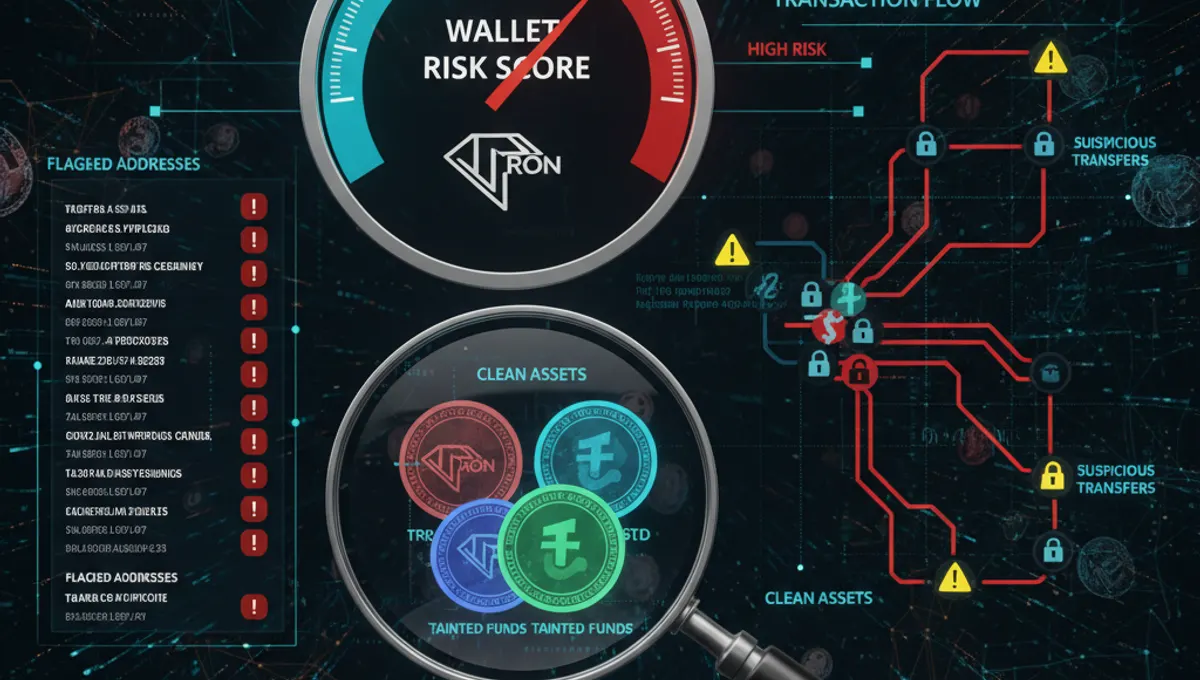
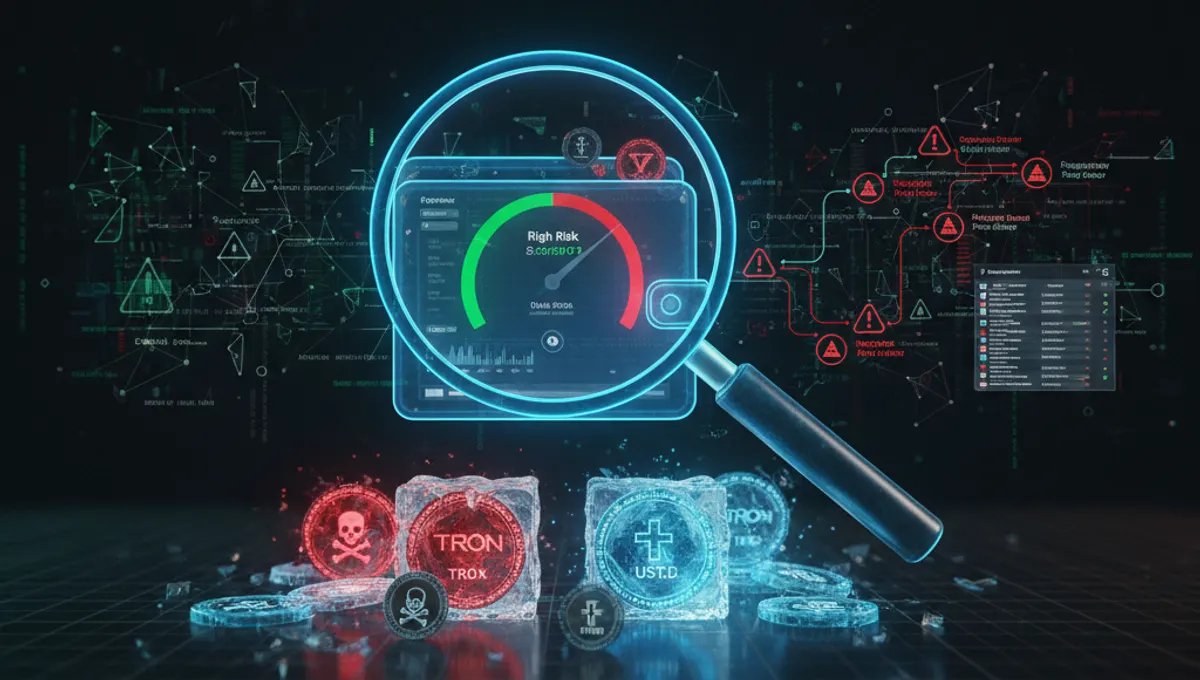
Checking your crypto wallet for AML risk is essential before receiving large transfers or moving funds to an exchange. Tainted coins—those linked to theft, ransomware, sanctions violations, or darknet markets—can cause your exchange account to be frozen or your transaction to be rejected. AML (Anti-Money Laundering) screening identifies whether a wallet address or the coins it holds have been flagged by blockchain analytics firms or compliance databases. A high AML risk score means the address or its transaction history shows exposure to illicit activity. By screening your wallet in advance, you can avoid receiving coins that will later be blocked, which could lock your funds indefinitely. This is especially important for USDT TRC20 and other stablecoins, which are heavily monitored by exchanges.
How to Check Tron Wallet Balance and Screen for AML Risk
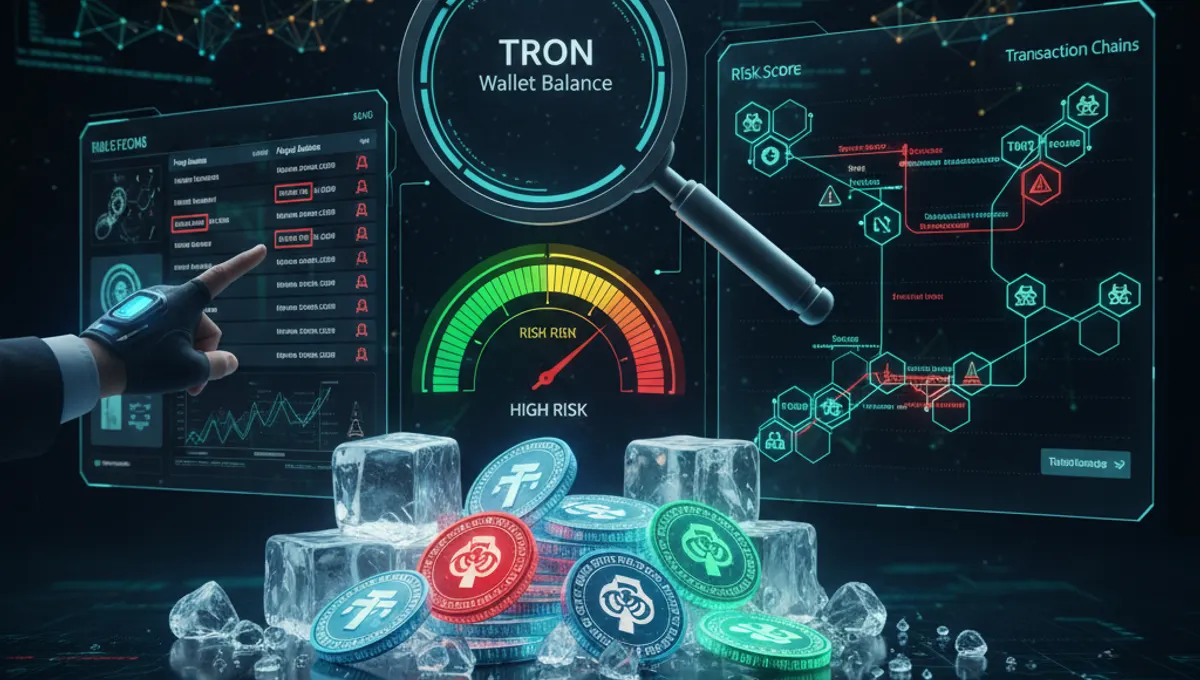
To check your Tron wallet balance, visit a Tron blockchain explorer (such as the official Tron network explorer), paste your wallet address in the search bar, and your TRX and token balances will display immediately. You can also see all incoming and outgoing transactions. For AML crypto wallet check purposes, note any unusual transaction patterns, such as large transfers from unknown addresses or rapid token movements. If you are receiving USDT TRC20 or other Tron tokens, verify the sender's address history before accepting the transfer. Look for red flags: transactions from mixer services, darknet market addresses, or wallets flagged in sanctions lists. Our curated list of verified AML services on this site includes tools that can scan your Tron address and provide a detailed risk score, showing exactly which transaction patterns triggered any flags. This is the safest starting point before moving funds to an exchange.
Understanding AML Risk Scores and What They Mean
An AML risk score is a numerical rating assigned to a wallet address based on its transaction history and associations. Scores typically range from low (green, minimal risk) to high (red, significant compliance concern). A low risk score means the wallet has clean transaction history with no known links to theft, sanctions, or illicit markets. A medium score may indicate the wallet has received funds from a mixer or has some indirect exposure to flagged addresses. A high score suggests direct or repeated contact with known illicit sources, stolen funds, or sanctioned entities. Exchanges and compliance teams use these scores to decide whether to accept or freeze deposits. Before sending crypto to an exchange, check that your wallet's risk score is low or acceptable according to that exchange's policy. If your score is elevated, you may need to provide additional documentation or the exchange may reject your deposit entirely.
Step-by-Step: How to Check Your Wallet Before Receiving USDT or TRX
- Obtain your wallet's public address (the long string of characters starting with 'T' for Tron or '0x' for Ethereum).
- Visit a blockchain explorer or use one of the verified AML services listed on our AML Services page.
- Paste your address into the search field and review your transaction history.
- Look for any transfers from known risky sources: mixers, gambling platforms, darknet markets, or sanctioned entities.
- Check your AML risk score—aim for low or acceptable levels before receiving large transfers.
- If you see flagged transactions, contact the sender to clarify the source of funds.
- If your score is high, consider moving funds to a new wallet or consulting a compliance specialist before depositing to an exchange.
- Once you confirm your wallet is clean, you can safely receive USDT TRC20, TRX, or other tokens. Always re-check before major transfers to an exchange to avoid frozen funds.
What to Do If Your Wallet Is Flagged or Shows High AML Risk
If your wallet receives a high AML risk score or is flagged during screening, do not panic—it does not automatically mean you have done anything wrong. The flag may be due to receiving funds from a compromised address, a transaction routed through a mixer, or an indirect link to a sanctioned entity. First, review your transaction history to identify which transfers triggered the flag. If you received funds unknowingly from a risky source, document this and be prepared to explain it if an exchange asks. Do not attempt to hide the transaction or move the coins rapidly—this raises more red flags. Instead, contact the exchange's compliance team with a clear explanation of the source. If the coins are genuinely tainted (stolen or from sanctions violations), most exchanges will freeze them and you will lose access. In this case, consult a blockchain compliance specialist. For future transfers, use our verified AML services to screen wallets before accepting large deposits.
Frequently asked questions
Can I check my Blue wallet balance without opening the app
Yes. If you know your public wallet address, you can paste it into a blockchain explorer and see your balance and transaction history without using the Blue Wallet app. This works for any blockchain network. However, the app provides a faster, more user-friendly view of your holdings across multiple networks in one place.
What does a high AML risk score mean for my wallet
A high AML risk score indicates your wallet has received or sent funds linked to illicit activity, sanctions violations, theft, or darknet markets. Exchanges may freeze your account or reject deposits if your score is too high. You should investigate the flagged transactions and be ready to explain them to compliance teams before depositing to an exchange.
How do I know if USDT TRC20 I received is tainted
Check the sender's wallet address using an AML service or blockchain explorer. Look for transactions from mixers, gambling sites, or sanctioned entities. If the sender's wallet has a high risk score, the USDT may be flagged when you try to deposit it to an exchange, causing your account to be frozen. Always verify the source before accepting large transfers.
Is it free to check my wallet for AML risk
Some basic blockchain explorer tools are free and show transaction history. However, detailed AML risk scoring and sanctions screening typically require a paid service. Our curated list of verified AML services on this site includes options with free trial scans and affordable pricing for regular users and businesses.
Can I check someone else's wallet balance and AML risk
Yes. Any public wallet address can be checked using a blockchain explorer or AML screening tool. You can see the balance, transaction history, and risk score of any address on the blockchain. This is useful for verifying the source of incoming funds before accepting a transfer from an unknown sender.