What Defines a Crypto Bubble and Why It Matters
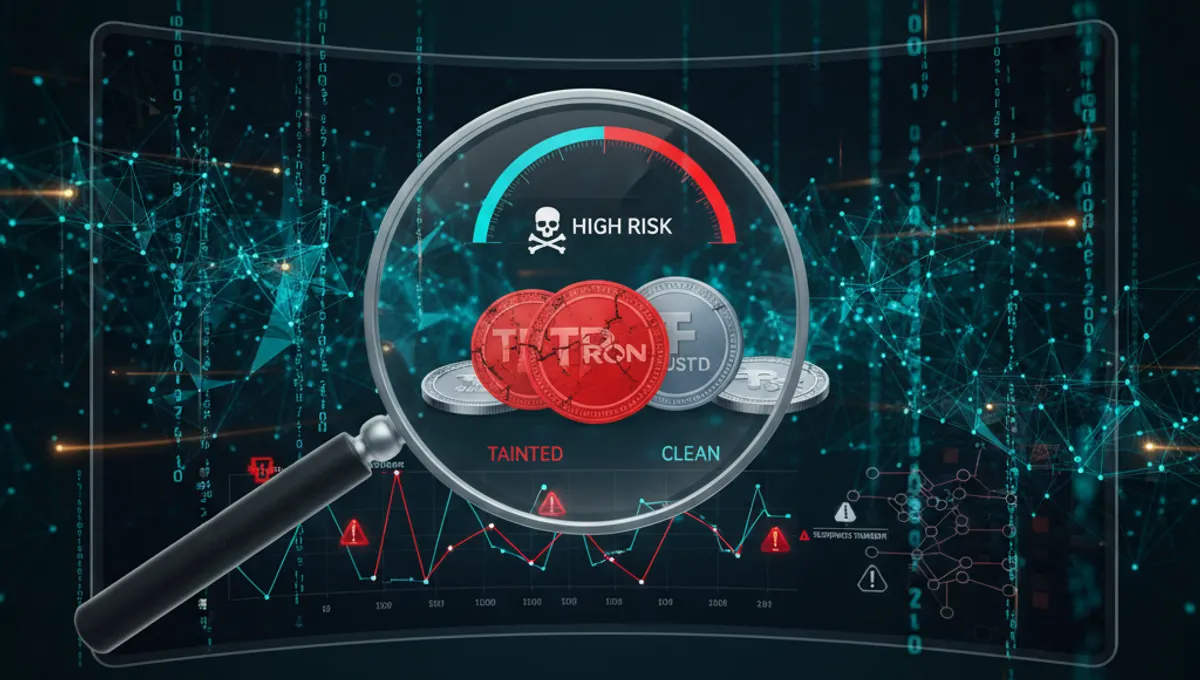
A crypto bubble forms when demand and hype push prices to unsustainable levels, disconnected from utility or adoption metrics. Historical cycles show rapid growth followed by sharp corrections. The 2017–2018 cycle and 2021–2022 pullback are cited as examples. Bubbles create two risks: price loss for holders, and increased fraud and scam activity as bad actors exploit FOMO to promote worthless tokens or phishing schemes. When bubbles burst, stolen funds and darknet proceeds often flood legitimate exchanges, making it harder to distinguish clean coins from tainted ones. This is why checking if a crypto wallet is legit and screening incoming transfers for AML risk becomes more important during volatile periods.
How Market Volatility Connects to Wallet Risk and Compliance
Bubble cycles amplify compliance risk. During rallies, exchanges relax vigilance to capture volume; during crashes, they tighten controls to avoid regulatory scrutiny. Exchanges use KYT (Know Your Transaction) and AML screening to flag suspicious deposits. If you receive USDT, TRX, or BTC from a mixer, darknet market, or sanctioned entity, your wallet may be flagged even if you didn't know the source. A high AML risk score can trigger account freezes, transaction blocks, or mandatory reporting. The safest crypto wallet is one where every inbound transaction is verified before acceptance. Checking a wallet's history and the source of funds protects you from inheriting compliance liability.
What Is AML Crypto Screening and Why Exchanges Use It
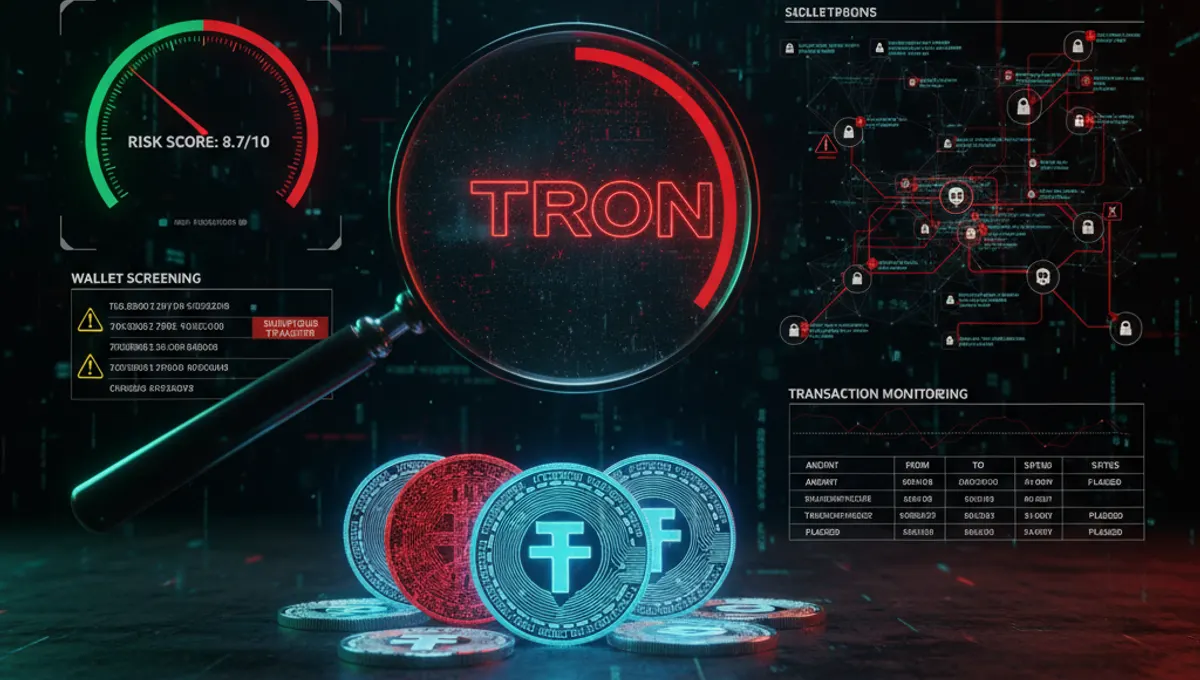
AML (Anti-Money Laundering) crypto screening analyzes blockchain transactions to detect illicit activity. Tools scan addresses against sanctions lists, darknet market databases, mixer signatures, and stolen fund registries. When you deposit crypto to an exchange, their AML system assigns a risk score to your wallet based on transaction history. A low score suggests clean funds; a high score flags potential compliance issues. What is a safe crypto wallet? One with a clean transaction history and no links to high-risk sources. Exchanges use AML screening to comply with financial regulations and avoid processing proceeds from theft, fraud, or sanctions violations. If your wallet receives flagged coins, the exchange may freeze your account pending investigation, even if you're innocent.
How to Check if a Crypto Wallet Is Legit Before Receiving Funds
Before accepting a transfer, verify the sender's wallet legitimacy. Steps:
- Ask the sender for their wallet address and confirm it matches official channels or known contacts.
- Use a blockchain explorer to review the sender's transaction history—look for patterns of activity, not just one or two transfers.
- Check if the address appears on public lists of known scams, mixers, or darknet markets.
- Use a KYT (Know Your Transaction) service to screen the incoming address for AML risk.
- If the risk score is high, ask the sender to clarify the source of funds or decline the transfer. Services listed on our curated AML Services page offer wallet screening and risk scoring; using one of these trusted tools before accepting large transfers is the safest starting point.
Understanding AML Risk Scores and What Thresholds Mean
An AML risk score quantifies the likelihood that a wallet or transaction is connected to illicit activity. Scores typically range from 0 (clean) to 100 (high risk). A score below 20 is generally acceptable; 20–50 warrants caution; above 50 suggests serious compliance concerns. Risk factors include: direct links to darknet markets, mixer usage, stolen fund registries, sanctioned entity lists, and gambling platforms. A wallet that receives funds from a mixer may score 40–60 even if the owner is innocent, because mixers obscure transaction trails. Exchanges set their own thresholds; some accept scores up to 30, others reject anything above 10. The safest crypto wallet maintains a score below 20 and has no darknet or mixer connections. If your wallet is flagged, you may need to provide proof of legitimate source (invoices, employment records) to unfreeze your account.
What Happens When Tainted Coins Are Detected and How to Avoid Frozen Accounts
When an exchange detects tainted coins—funds linked to theft, scams, or sanctions—it may freeze your account pending investigation. The process:
- Exchange's AML system flags the deposit as high-risk.
- Compliance team reviews the transaction history and source.
- If illicit activity is confirmed, funds are seized and reported to authorities.
- Your account is frozen; you cannot withdraw or trade.
- You may be asked to provide proof of legitimate source or face permanent account closure. To avoid this: screen all incoming transfers before deposit, use a safe crypto wallet with clean history, and verify sender identity. If you receive unsolicited funds or a transfer from an unknown source, do not deposit it immediately—use an AML check service first. Our AML Services page lists verified tools for pre-deposit screening.
Bubble Risk and Compliance: Protecting Yourself During Market Cycles
During bubble periods, scam activity peaks, making it easier to accidentally receive tainted coins. Fraudsters promote fake tokens, pump-and-dump schemes, and phishing wallets to capture speculative interest. If you participate in high-risk trading or accept payments from unfamiliar sources, your wallet's AML risk score rises. To stay safe:
- Only accept transfers from verified, known sources.
- Use a safe crypto wallet from a reputable provider.
- Screen incoming addresses and transactions before deposit.
- Avoid mixers and privacy coins if compliance matters to you.
- Keep transaction records for tax and audit purposes. Whether a crypto bubble exists or not, the compliance landscape remains strict. Exchanges enforce AML rules regardless of market conditions. Checking wallets and screening transactions is not optional—it's the foundation of avoiding frozen accounts and regulatory liability.
Frequently asked questions
How do I know if my crypto wallet is legit before receiving funds?
Check the sender's address on a blockchain explorer and review their transaction history. Use a KYT or AML screening service to assign a risk score to the incoming address. If the score is below 20 and shows no darknet or mixer links, it's likely safe. Ask the sender to confirm their identity through official channels. Trusted AML services on our platform offer quick wallet screening.
What is AML crypto and why do exchanges care about it?
AML (Anti-Money Laundering) crypto screening detects illicit transactions by scanning addresses against sanctions lists, stolen fund registries, and darknet databases. Exchanges use AML to comply with financial regulations and avoid processing proceeds from theft, fraud, or sanctions violations. A high AML risk score can trigger account freezes or mandatory reporting.
What is a safe crypto wallet and how do I maintain one?
A safe crypto wallet has a clean transaction history, no links to darknet markets or mixers, and an AML risk score below 20. Maintain safety by accepting transfers only from verified sources, screening incoming addresses before deposit, and avoiding high-risk activities like gambling or mixer usage. Use reputable wallet providers and enable security features like two-factor authentication.
What does KYT crypto mean and how does it protect me?
KYT (Know Your Transaction) is a compliance process that analyzes blockchain transactions to detect illicit activity. It screens addresses against sanctions lists, stolen fund registries, and darknet databases. KYT protects you by flagging high-risk transfers before you deposit them, helping you avoid frozen accounts and regulatory liability.
Can I recover my account if it's frozen due to tainted coins?
If your account is frozen, contact the exchange's compliance team immediately. You may be asked to provide proof of legitimate source (invoices, employment records, bank statements). If you can demonstrate you received the funds unknowingly and from a trusted source, the freeze may be lifted. However, if the coins are confirmed as stolen or sanctioned, recovery is unlikely.