What Is a TRON Address and How Does It Work
A TRON address is a 34-character alphanumeric string starting with the letter T, derived from a public key on the TRON blockchain. Each address is paired with a private key that controls the funds stored there. When you create a TRON wallet, the blockchain generates both keys; the address is public and safe to share, while the private key must remain secret. TRON addresses are used to send and receive TRX (the native token) and TRC20 tokens (like USDT). Unlike traditional bank accounts, TRON addresses are pseudonymous—anyone can see transaction history linked to an address, but the owner's identity is not automatically revealed. This transparency is why a TRON address lookup is important for compliance: you can trace the flow of funds to and from any address on the public ledger.
How to Identify and Validate a TRON Address
A valid TRON address has three defining characteristics: it begins with the letter T, contains exactly 34 characters, and uses only alphanumeric characters (no spaces or special symbols). You can validate a TRON address by pasting it into a blockchain explorer or a TRON address checker tool. The explorer will confirm whether the address exists on the blockchain and display its transaction history, balance, and token holdings. If an address is invalid or malformed, the explorer will return an error. When someone sends you a TRON address, always verify it character-by-character before sending funds—a single typo could send your money to an unrelated address. Many exchanges and wallets include built-in address validation, but manual verification is the safest approach. For compliance purposes, a TRON address check goes beyond format validation and screens the address against AML databases, sanctions lists, and known darknet wallets.
Why You Should Check a TRON Address Before Receiving Funds
Checking a TRON address before accepting a transfer protects you from receiving tainted coins—funds stolen from hacks, ransomware, or fraud. If you receive USDT or TRX from a compromised address, exchanges may flag your account during withdrawal, freeze your funds, or ban you entirely. Sanctions screening is equally critical: if an address is linked to a sanctioned entity or jurisdiction, receiving from it could expose you to legal liability. Darknet markets and mixers also generate high-risk addresses; accepting funds from these sources raises your AML risk score and triggers compliance reviews. A TRON address lookup that includes AML screening checks the address against multiple risk categories: mixer activity, scam reports, stolen fund databases, and sanctions lists. This due diligence is standard practice for institutional investors, exchanges, and compliance teams. For individuals, it prevents account freezes and ensures you only accept clean crypto.
How to Check a TRON Address for AML Risk
To check a TRON address for AML risk, follow these steps: First, copy the full 34-character TRON address you want to verify. Second, visit a TRON address checker or blockchain explorer and paste the address into the search field. Third, review the transaction history to identify the source and destination of funds—look for patterns like rapid transfers to multiple addresses (mixer behavior) or large inflows from known scam wallets. Fourth, cross-reference the address against public darknet and sanctions databases if available through your checker tool. For a comprehensive AML check, use a dedicated compliance service that screens against international sanctions lists, stolen fund registries, and known criminal wallets. The risk score returned by these services typically ranges from low (clean address with normal activity) to high (mixer, darknet, or stolen funds). Our curated list of verified AML services on this site includes tools specifically designed for TRON address screening—these are the safest starting point for institutional-grade checks.
Understanding TRON Address Risk Scores and What They Mean
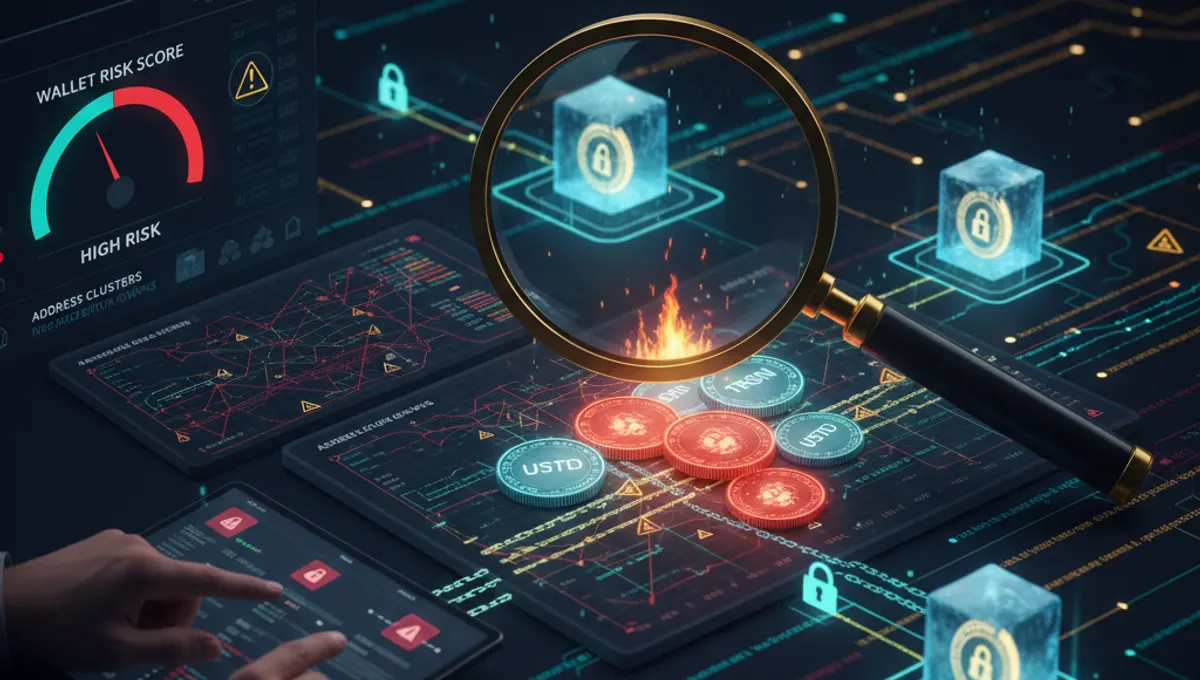
An AML risk score for a TRON address is a numerical rating that reflects the likelihood the address is associated with illicit activity. Scores typically range from 0 to 100, where 0–20 indicates low risk (normal activity, no red flags), 21–50 indicates medium risk (some suspicious patterns but not conclusive), 51–80 indicates high risk (mixer activity, frequent darknet transfers, or scam associations), and 81–100 indicates critical risk (confirmed stolen funds, sanctions match, or active ransomware wallet). A low-risk address is generally safe to receive funds from. A medium-risk address warrants investigation—review the transaction history to understand why the score is elevated. A high-risk address should be avoided unless you have strong reason to trust the sender. A critical-risk address should be rejected entirely. Risk scores are calculated by analyzing on-chain transaction patterns, wallet clustering, and cross-referencing against known blacklists. Different AML services may return slightly different scores because they use different data sources and algorithms, so checking with multiple providers is prudent for high-value transfers.
What to Do If a TRON Address Is Flagged as High Risk
If a TRON address check returns a high or critical risk score, do not accept the transfer. Contact the sender and ask them to clarify the source of their funds or provide an alternative address. If they cannot explain the risk flags, decline the transaction—the risk of account freeze or legal complications outweighs any benefit. If you have already received funds from a flagged address, document the transaction and contact your exchange or custodian immediately. Many exchanges will freeze accounts automatically if high-risk deposits are detected, but proactive disclosure may result in a review rather than a ban. Cooperate fully with any compliance investigation and provide evidence of your due diligence (the AML check you performed). If the funds are confirmed stolen or sanctioned, you are legally obligated to report them and may not be able to withdraw them. For ongoing compliance, maintain a record of all TRON address checks you perform—this demonstrates your commitment to AML procedures and protects you in audits.
Best Practices for TRON Address Screening and Compliance
Establish a routine TRON address check before accepting any transfer above a threshold amount (e.g., 1,000 USDT or higher). Always verify addresses character-by-character and use a blockchain explorer to confirm the address exists and has normal activity patterns. For business or high-volume trading, integrate a dedicated AML service into your workflow—this automates screening and creates an audit trail. Never accept transfers from addresses you cannot verify, even if the sender claims to be trusted. Be aware that risk scores can change over time as new transactions occur, so an address clean today may become flagged later. If you operate an exchange or custody service, implement mandatory AML screening for all deposits and maintain compliance records. Our verified AML services list provides tools designed for TRON address lookup and continuous monitoring—these are recommended for anyone handling significant crypto volumes. Document your screening process and results; this protects you legally and demonstrates due diligence to regulators.
Frequently asked questions
What does a TRON address look like and how long is it
A TRON address is exactly 34 characters long, starts with the letter T, and contains only alphanumeric characters. Example format: T1234567890abcdefghijklmnopqrstuvwxyz. You can validate any TRON address by checking its length and first character, then confirming it exists on a blockchain explorer.
Can I see who owns a TRON address
TRON addresses are pseudonymous—you can see all transactions linked to an address on the public blockchain, but the owner's identity is not automatically revealed. To identify the owner, you would need additional information like exchange KYC data or external records. This is why AML screening is important: it links addresses to known entities and risk categories.
Is it safe to share my TRON address with others
Yes, it is safe to share your TRON address publicly. The address is designed to receive funds and is visible on the blockchain anyway. Never share your private key or seed phrase. Sharing your address allows others to send you TRX or TRC20 tokens, but they cannot access or move your funds without the private key.
How do I check if a TRON address has received stolen funds
Use a TRON address checker or AML screening service to scan the address against stolen fund databases, mixer registries, and sanctions lists. These tools analyze the transaction history and return a risk score. A high-risk score indicates potential stolen funds, mixer activity, or darknet association. Review the transaction patterns manually on a blockchain explorer for additional context.
What happens if I receive USDT from a flagged TRON address
If you receive USDT from a high-risk address, your exchange may freeze your account during withdrawal or flag the deposit for review. Cooperate with compliance investigations and provide evidence of your AML screening. If the funds are confirmed stolen or sanctioned, you may be unable to withdraw them. Always check addresses before accepting transfers to avoid this situation.