What Does It Mean to Check a Tron Address
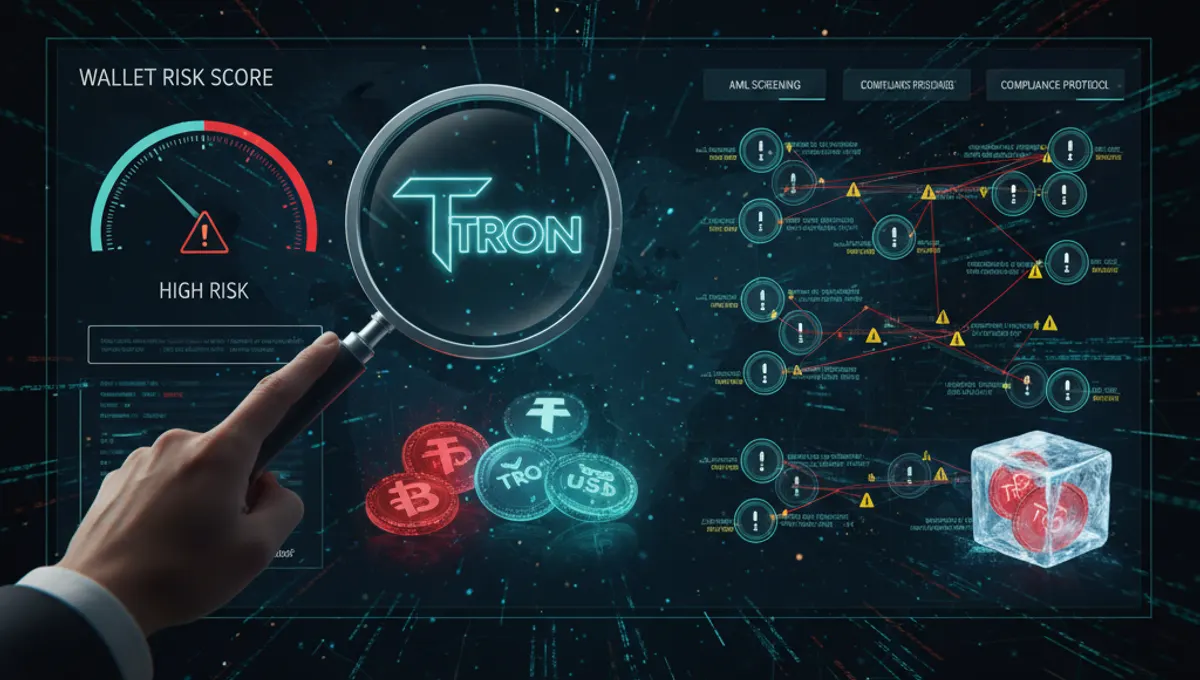
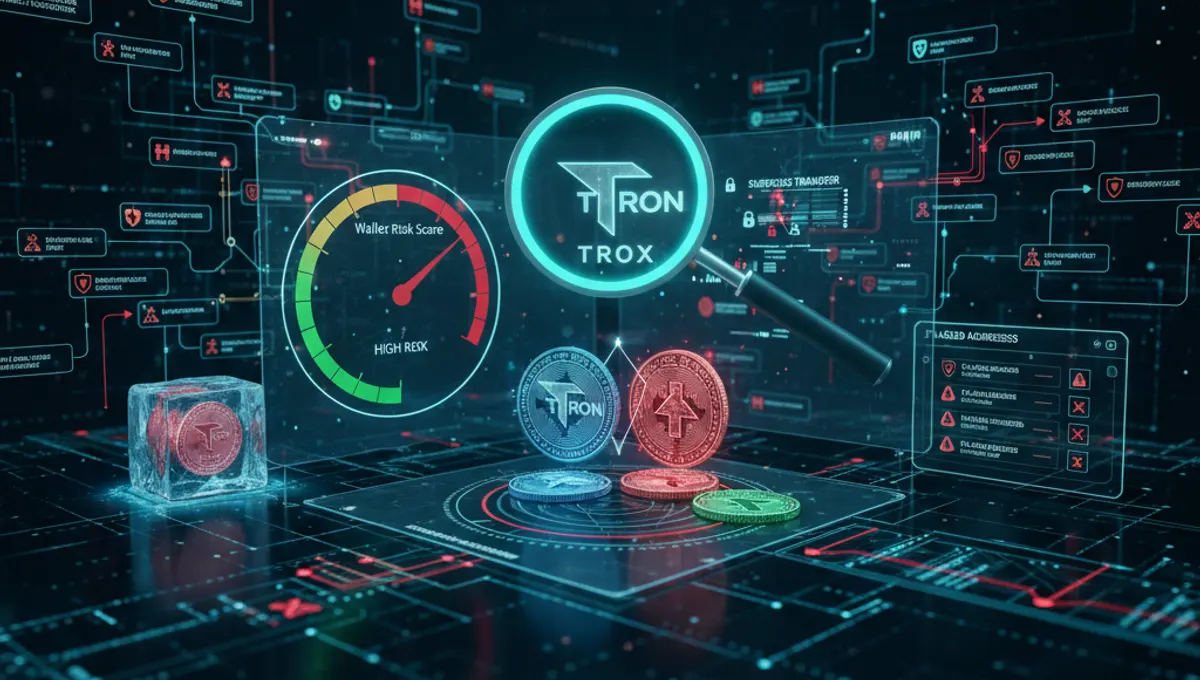
Checking a Tron address means reviewing the wallet's transaction history and risk profile to identify whether it has been linked to illicit activity, stolen funds, or sanctioned entities. Tron (TRX) and USDT TRC20 transfers can carry compliance risk if the sending or receiving address has darknet exposure, mixer involvement, or connections to scams. An address check uses blockchain analytics to flag these patterns. The process is similar to checking a Tron wallet address or verifying a Tron transaction—you're looking at the on-chain footprint to assess whether the coins are clean. Risk assessment happens at the address level, meaning each wallet has its own history and score. This is essential before accepting large transfers, especially in regulated jurisdictions where receiving tainted coins can trigger account freezes at exchanges.
How to Check Tron Wallet Address Risk in 5 Steps
- Obtain the Tron address: Copy the full address (starting with T) from the wallet you want to screen.
- Choose a screening service: Visit our curated list of verified AML services on the AML Services page to find a trusted provider that supports Tron address checks.
- Enter the address: Paste the Tron address into the screening tool's search field.
- Review the risk report: The tool will return a risk score, transaction history, and any flagged associations (mixers, darknet, sanctions, stolen funds).
- Assess the result: Compare the risk score against your acceptable threshold. Most compliance frameworks treat scores below 30 as low-risk, 30–70 as medium-risk, and above 70 as high-risk. If the address shows high-risk flags, do not proceed with the transfer. If you need to check a Tron wallet balance or verify a specific transaction, many screening tools also display historical balances and transaction details alongside the risk assessment.
Understanding Tron Address Risk Scores and Flags
A Tron address risk score is a numerical rating (typically 0–100) that reflects the likelihood the wallet has been involved in illicit activity. Scores are calculated by analyzing transaction patterns, counterparty risk, and connections to known bad actors. Common risk flags include: Mixer exposure (coins passed through privacy-mixing services), Darknet market links (transactions to known marketplace addresses), Stolen funds (coins traced to theft or hacks), Sanctions lists (wallet linked to sanctioned entities or jurisdictions), Gambling or scam associations, and Ransomware payments. A low score (0–30) means the address has clean transaction history with minimal red flags. A medium score (30–70) suggests some caution—the wallet may have minor darknet exposure or mixer involvement. A high score (70+) indicates significant compliance risk and should trigger rejection. When you check a Tron transaction, the risk assessment includes both the sending and receiving addresses, so you can identify risk at either end of the transfer.
Why Check a Tron Address Before Receiving USDT TRC20
Receiving USDT TRC20 or TRX from an unknown or high-risk address can result in frozen funds at your exchange, account suspension, or regulatory scrutiny. Exchanges and custodians perform their own AML monitoring and may flag or freeze incoming transfers from addresses with sanctions exposure or stolen-fund connections. If you receive tainted coins, your account can be restricted even if you were unaware of the source. A Tron TRC20 address check before accepting the transfer lets you verify the sender's risk profile and decline if necessary. This is especially important for businesses, traders, and anyone in regulated jurisdictions. By screening the address upfront, you avoid the downstream compliance headache of having to explain why your account received flagged coins. The check takes seconds and can prevent weeks of account lockdown or asset seizure.
Common Tron Address Risk Categories and What They Mean
Mixer exposure: The address has sent or received coins through privacy mixers, which obscure transaction trails and are often used to launder illicit funds. Darknet market activity: The wallet has transacted with known darknet marketplace addresses or vendors. Stolen funds: The coins are traced to a theft, exchange hack, or other crime. Sanctioned entity: The address is linked to a person, organization, or jurisdiction under international sanctions (e.g., OFAC lists). Gambling: The wallet has frequent transactions with gambling platforms, which may indicate money laundering or problem gambling. Ransomware: The address received payments from ransomware attacks. Scam or Ponzi: The wallet is associated with known scam schemes or fraudulent projects. Each flag carries different compliance weight. Mixer exposure and darknet links are common but carry elevated risk. Sanctions and stolen funds are critical red flags that most exchanges will reject outright. When you check a Tron address, the report will break down which categories apply and the confidence level of each flag.
What to Do If Your Tron Address Is Flagged as High-Risk
If a Tron address check returns a high-risk score, you have several options: Do not send or receive: The safest choice is to decline the transfer and use a different address. Investigate the history: Review the transaction history in the report to understand why the address was flagged. If the flag is old and the wallet has since been dormant or used only for clean transactions, the risk may have decreased. Contact the counterparty: If you know the sender or receiver, ask them to explain the flagged activity. They may have a legitimate reason (e.g., they received coins from a mixer unknowingly). Request a new address: Ask the counterparty to provide a different wallet address with a cleaner history. Escalate to compliance: If you're a business, forward the report to your compliance team for a formal risk assessment. Some organizations may accept medium-risk addresses with documented approval. Most importantly, do not ignore a high-risk flag in hopes it will resolve. Exchanges and regulators take AML seriously, and receiving flagged coins can result in account freezes regardless of your intent. Our curated list of verified AML services on the AML Services page includes tools that provide detailed reports to support your decision-making.
Best Practices for Screening Tron Wallets and Avoiding Tainted Coins
Screen before you send: Always check the recipient's Tron address before initiating a transfer, especially for large amounts. Screen before you receive: If someone offers to send you TRX or USDT TRC20, ask for their address and run a check first. Use trusted services: Rely on verified AML screening providers rather than free, unverified tools. Free tools may have incomplete data or outdated risk scores. Keep records: Document all address checks and risk assessments for compliance and audit purposes. Set a risk threshold: Define your organization's acceptable risk score (e.g., reject anything above 50) and apply it consistently. Monitor ongoing: Some AML services offer transaction monitoring, which flags suspicious activity on addresses you've already screened. Use this for ongoing due diligence. Educate your team: If you work with crypto, ensure everyone understands why address screening matters and how to use the tools. Avoid mixing: Do not use privacy mixers or tumblers to obscure transaction history. This raises red flags and may violate local regulations. By following these practices, you minimize the risk of receiving or sending tainted coins and maintain compliance with exchange and regulatory requirements.
Frequently asked questions
How do I check if a Tron address is safe
Use an AML screening service to scan the address for risk flags. Enter the Tron address into the tool, and it will return a risk score and report on any associations with mixers, darknet, stolen funds, or sanctions. Compare the score to your acceptable threshold (typically 0–30 is low-risk). Our AML Services page lists verified providers that support Tron address checks.
What does a high-risk Tron address mean
A high-risk address (score 70+) has been linked to illicit activity such as darknet transactions, stolen funds, mixer exposure, or sanctions. Receiving coins from a high-risk address can result in your exchange account being frozen or flagged. Do not proceed with transfers to or from high-risk addresses without compliance review.
Can I check a Tron wallet balance using an address check tool
Yes. Most AML screening tools display the wallet's current and historical balances alongside the risk assessment. You can see how much TRX or USDT TRC20 the address holds and review its transaction history. This helps you verify the wallet's activity level and confirm the risk score is current.
Is it free to check a Tron address
Some basic Tron address checks are free, but they often have limited data or outdated risk scores. Comprehensive AML screening with detailed reports usually requires a paid subscription. Free tools are useful for quick checks, but for compliance-critical decisions, use a verified paid service from our AML Services page.
What happens if I receive USDT TRC20 from a flagged address
Your exchange may freeze the incoming transfer or flag your account for review. If the coins are traced to stolen funds or sanctions, your account could be permanently restricted. Always screen addresses before accepting transfers. If you accidentally receive flagged coins, report it to your exchange's compliance team immediately.