What Is a TRON TRC20 Address Check?
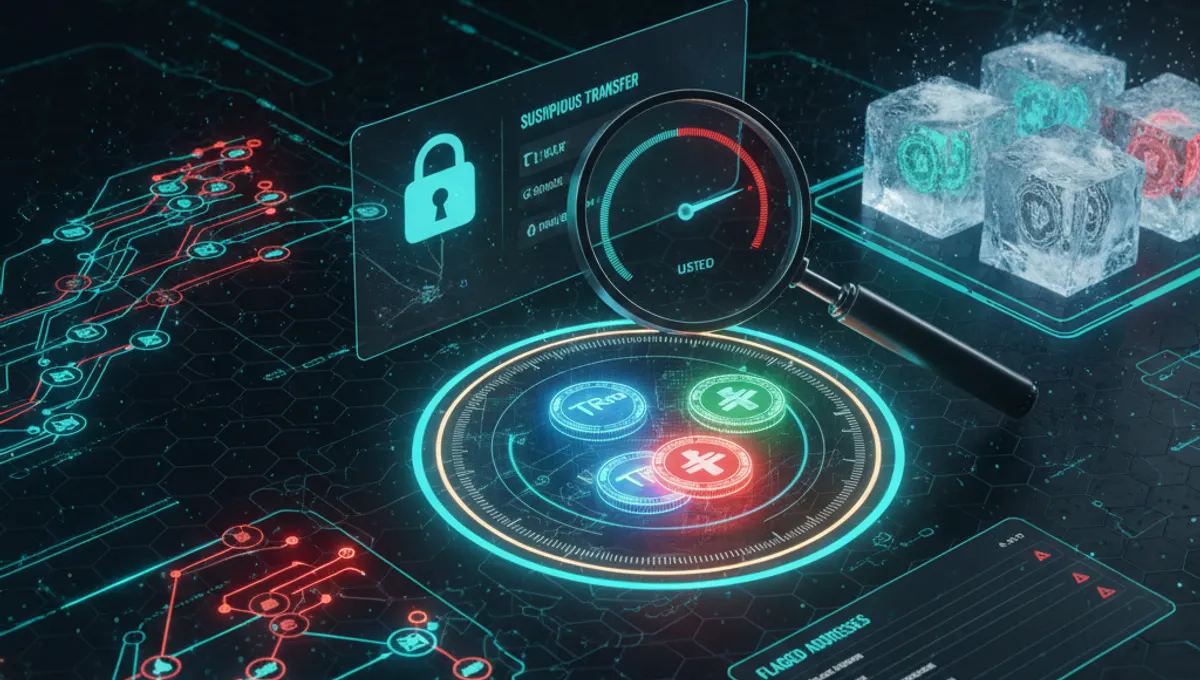
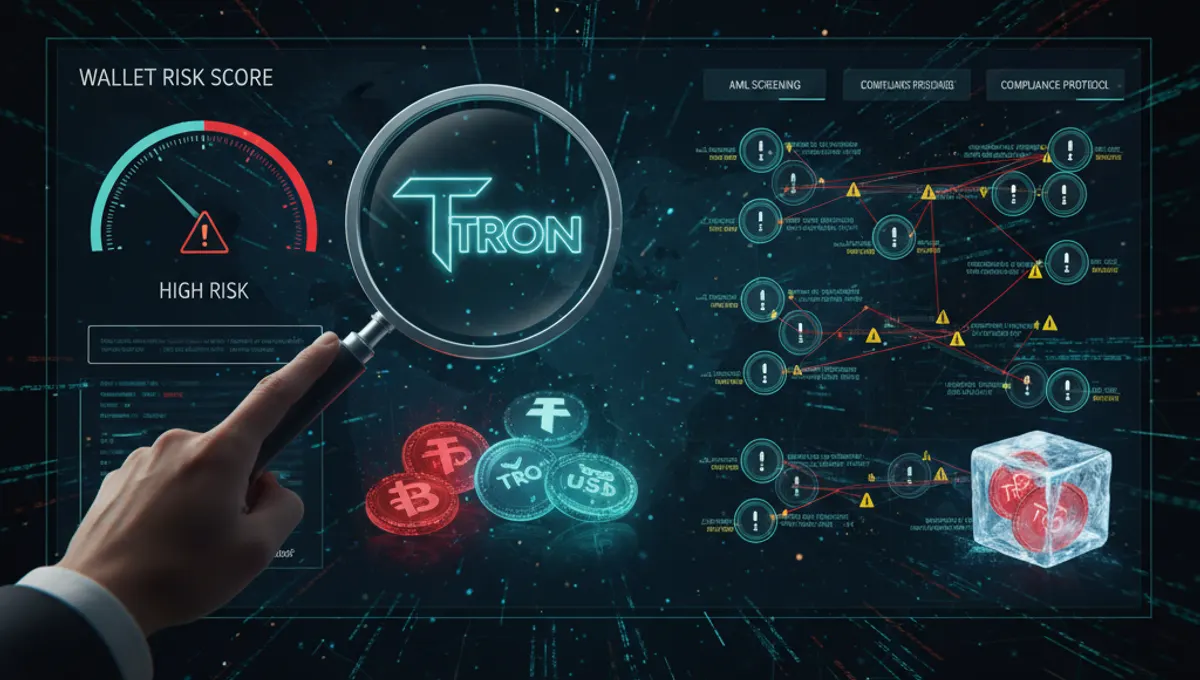
A TRON TRC20 address check is a blockchain screening that examines a wallet's transaction history, fund sources, and exposure to known risk categories. TRC20 is the token standard on the TRON network, most commonly used for USDT stablecoin transfers. When you check a TRON address, the screening looks for connections to mixers, darknet markets, stolen funds, sanctioned entities, and gambling platforms. The result is a risk score—typically ranging from low to critical—that tells you whether the wallet is safe to transact with. Unlike a simple balance lookup, an AML check on a TRON wallet examines the entire chain of custody, not just the current holder. This is essential because receiving USDT or TRX from a flagged address can result in your own account being frozen by exchanges or compliance systems.
How AML Risk Scoring Works for TRON Addresses
An AML risk score for a TRON address is calculated by analyzing transaction patterns, historical fund sources, and behavioral flags. Blockchain analytics firms assign scores based on several factors: direct exposure to known illicit addresses, transaction volume and velocity, mixing or tumbling activity, and links to sanctioned entities or darknet markets. A low risk score (typically 0–20) indicates the wallet has clean transaction history and no known illicit exposure. Medium risk (21–50) suggests some exposure to higher-risk activity but not necessarily illegal conduct—such as trading on decentralized exchanges or interacting with privacy-focused protocols. High risk (51–100) flags direct connections to stolen funds, mixers, or sanctioned addresses. The scoring is not binary; it reflects the probability that a wallet has been involved in or received proceeds from illicit activity. Most compliance teams set thresholds: accepting transfers below 30, flagging for review between 30–70, and blocking above 70. These thresholds vary by jurisdiction and institution.
Step-by-Step: How to Check a TRON Wallet Address
To check a TRON address for AML risk, follow these steps:
- Obtain the full TRON address (begins with T, 34 characters).
- Visit a blockchain AML screening service—our curated list of verified AML services on this site includes tools that support TRON and TRC20 screening.
- Enter the address in the search field.
- Review the risk score and detailed report, which typically shows transaction history, linked addresses, and flagged risk categories.
- Check for specific red flags: mixer exposure, darknet connections, stolen fund tags, or sanctions list matches.
- Note the date of the last update; some services refresh data daily, others weekly.
- If the address shows medium or high risk, decide whether to proceed based on your compliance policy.
Most AML services return results within seconds. Free tiers often provide a basic risk score; paid plans offer detailed transaction graphs and historical analysis. For USDT transfers on TRON, always screen the sender's address before accepting the transfer, as frozen USDT cannot be moved or recovered.
What Risk Flags Appear in a TRON Address Check?
Common risk flags in a TRON address check include:
- Mixer exposure: The wallet has sent or received funds through a mixing service, indicating an attempt to obscure transaction history.
- Darknet market connection: The address has received funds from or sent funds to a known darknet marketplace.
- Stolen funds tag: The wallet holds or has received cryptocurrency flagged as stolen in a previous theft or hack.
- Sanctioned entity: The address is linked to an individual or organization on a government sanctions list (OFAC, EU, UN).
- Gambling platform: The wallet has active transactions with decentralized or centralized gambling services.
- Scam or fraud report: The address has been reported by victims or flagged by law enforcement.
- High-velocity transactions: Rapid movement of large sums, often indicating layering or money laundering.
- Ransomware connection: The wallet has received payments consistent with ransomware extortion.
Not all flags mean the wallet is illegal; some indicate privacy-conscious behavior or legitimate use of decentralized finance. However, sanctions list matches and stolen fund tags are hard stops for most institutions.
What to Do If Your TRON Address Is Flagged
If your TRON address receives a high AML risk score, take these steps:
- Review the specific flags in the report. If the issue is a false positive (e.g., you received funds from a mixer without knowing), document your transaction history.
- Do not attempt to move or split the flagged USDT or TRX; this can increase suspicion of money laundering.
- If you received tainted coins unknowingly, contact the sender and request they resend from a clean address.
- For exchange deposits, notify the exchange's compliance team before depositing flagged funds; transparency reduces the risk of account freeze.
- If your address is linked to a sanctioned entity by mistake, file a dispute with the AML service provider and provide proof of identity and legitimate use.
- Avoid using mixers or privacy coins to "clean" flagged TRON addresses; this is illegal in most jurisdictions and will trigger further investigation.
- Consider moving future transactions to a new, clean address and maintaining transparent transaction records.
Frozen USDT on TRON cannot be recovered through technical means; prevention through screening is the only reliable defense.
Why Exchanges Freeze USDT and TRON Accounts
Exchanges freeze USDT and TRON accounts when they detect AML red flags or regulatory violations. The primary reasons include:
- Receiving USDT from a sanctioned address or wallet linked to stolen funds triggers automatic compliance holds.
- Rapid deposits and withdrawals of large USDT amounts without clear business purpose flag as potential money laundering.
- Deposits from addresses with high mixer or darknet exposure prompt manual review and potential account suspension.
- Regulatory pressure: exchanges in the US, EU, and other jurisdictions face fines if they process transactions linked to illicit activity.
- KYC mismatch: if your identity verification doesn't match the source of funds, the exchange may freeze the account pending investigation.
Once USDT is frozen, recovery is difficult. The exchange will not release the funds unless you prove the source is legitimate, and even then, the process can take weeks or months. For this reason, screening a TRON address before sending or receiving USDT is not optional—it is essential to avoid account bans and fund seizure.
Best Practices for Screening TRON Addresses Before Transfers
To minimize AML risk when transacting on TRON:
- Always check a TRON address before receiving USDT or large TRX transfers, especially from unknown parties.
- Use the verified AML services listed on this site; they provide consistent, up-to-date TRON screening.
- Set your own risk threshold: decide in advance what score you will accept (e.g., below 30 is safe, 30–50 requires review, above 50 is blocked).
- Keep records of all address checks; if an exchange questions a deposit, you can prove you screened the source.
- Do not accept USDT from addresses flagged for sanctions or stolen funds, regardless of the amount or relationship.
- If you are a business or exchange, integrate AML screening into your deposit workflow; manual checks are error-prone.
- Update your screening regularly; new risk data emerges as blockchain analysis improves.
- Educate your team: many account freezes occur because employees accept transfers without checking the source.
Screening takes seconds and costs nothing to a few dollars per check; the cost of a frozen account is far higher.
Frequently asked questions
Can I check a TRON address for free?
Yes, many AML services offer free TRON address checks with basic risk scores. Free tiers typically show whether an address is flagged for high-risk activity but may not include detailed transaction history or historical analysis. Paid plans unlock full reports. Our verified AML services page lists options with free screening capabilities.
What does a high AML risk score mean for a TRON address?
A high AML risk score (typically above 70) indicates the wallet has direct exposure to stolen funds, sanctions lists, mixers, or darknet markets. It does not prove the current holder is guilty of a crime, but it signals the address should not be used for regulated transactions. Exchanges will likely freeze deposits from high-risk TRON addresses.
How long does a TRON address check take?
Most AML screening services return a TRON address check result within seconds to a few minutes. The speed depends on the service's database size and update frequency. Real-time checks are faster but may miss very recent transactions; daily-updated services are slightly slower but more comprehensive.
If I receive USDT from a flagged TRON address, will my account be frozen?
Not automatically, but risk is high. If you deposit flagged USDT to an exchange, the exchange's AML system may flag the deposit for review or freeze your account pending investigation. Transparency with the exchange and proof that you screened the source can help. Avoid depositing USDT from high-risk TRON addresses.
Can I dispute a high risk score on my TRON address?
Yes. Contact the AML service provider with proof of identity and legitimate transaction history. False positives occur, especially if your address was linked to a mixer or privacy service by mistake. Disputes typically take 5–10 business days to resolve. Document your case thoroughly.