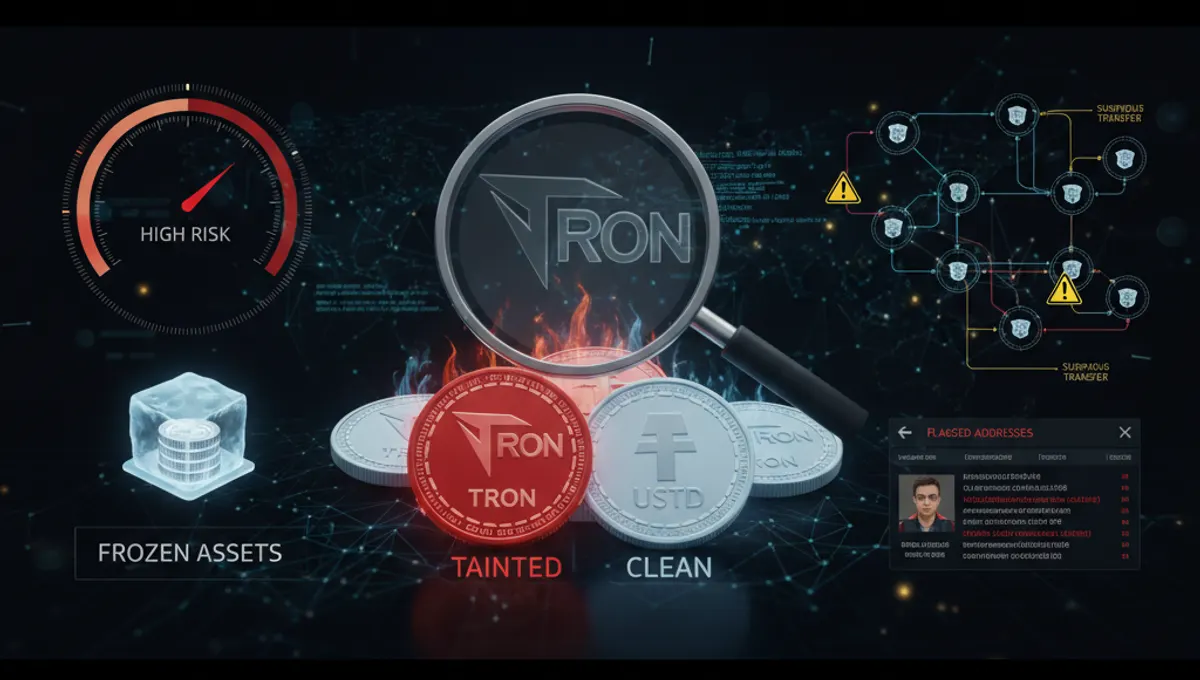
What Is a Crypto Wallet and Why Does It Matter
A crypto wallet stores the cryptographic keys needed to access and control your digital assets on a blockchain. Unlike a traditional bank account, a wallet is identified by a public address (which anyone can see) and protected by a private key (which only you should know). When you receive cryptocurrency, it goes to your public address; when you send it, you sign the transaction with your private key. Understanding wallet structure is the first step toward safe asset management. Each blockchain—Bitcoin, Ethereum, Tron—has its own address format. A Tron address, for example, starts with 'T' and holds TRX or USDT on the TRC20 network. Knowing your wallet type helps you avoid sending funds to the wrong address and understand which screening tools apply to your transactions.
Crypto Wallet Explained: Hot, Cold, and Custodial Types
Wallets fall into three main categories, each with different security and convenience trade-offs. Hot wallets (mobile apps, web platforms, exchange accounts) are connected to the internet, making them fast and easy to use but more exposed to hacking. Cold wallets (hardware devices, paper wallets) are offline, offering stronger security but slower access to funds. Custodial wallets are managed by a third party—usually an exchange—so you don't hold your own keys. A crypto wallet example of a hot wallet is MetaMask or Trust Wallet on your phone; a cold wallet example is a Ledger or Trezor hardware device. Custodial examples include wallets provided by Coinbase or Kraken. Each type has trade-offs: hot wallets are convenient but riskier; cold wallets are secure but less flexible; custodial wallets are regulated but require you to trust the provider. Your choice depends on how much you trade, how much you hold, and your risk tolerance.
Understanding Crypto Wallet Fees and Transaction Costs
Crypto wallet fees vary by wallet type, blockchain network, and transaction volume. Hot wallets and custodial platforms often charge trading fees (typically 0.1% to 0.5% per trade) and withdrawal fees (flat amounts or percentages). Cold wallets have no ongoing fees but may have an upfront hardware cost. Network fees (also called gas fees) are paid to miners or validators and depend on network congestion; Bitcoin and Ethereum fees can spike during high-traffic periods, while Tron fees are typically much lower. A crypto wallet example: sending USDT on Ethereum might cost $5–$50 in gas fees, while the same transfer on Tron (TRC20) might cost under $1. Some wallets let you choose fee levels (slow, standard, fast), affecting how quickly your transaction confirms. Understanding these costs helps you choose the right wallet and plan your transfers efficiently. Always check the fee structure before moving large amounts.
Crypto Wallet Ranking: Security, Usability, and Compliance
When evaluating wallets, consider security features, user experience, supported assets, and compliance standards. Security features include two-factor authentication (2FA), seed phrase backup, and multi-signature options. Usability factors include interface design, mobile availability, and customer support. Compliance matters if you're using a regulated exchange or custodian; they should follow KYC (Know Your Customer) and AML (Anti-Money Laundering) standards. A crypto wallet example ranking might place hardware wallets highest for security (Ledger, Trezor) but lower for convenience. Mobile wallets (MetaMask, Trust Wallet) rank high for ease of use but require careful key management. Exchange wallets (Coinbase, Kraken) rank high for compliance and support but require you to trust a centralized entity. No single wallet is best for everyone; your choice depends on your priorities. For compliance-conscious users, custodial wallets from regulated exchanges offer built-in AML screening, though this comes with less privacy.
Crypto Wallet Screening: How to Check for AML Risk Before Receiving Funds
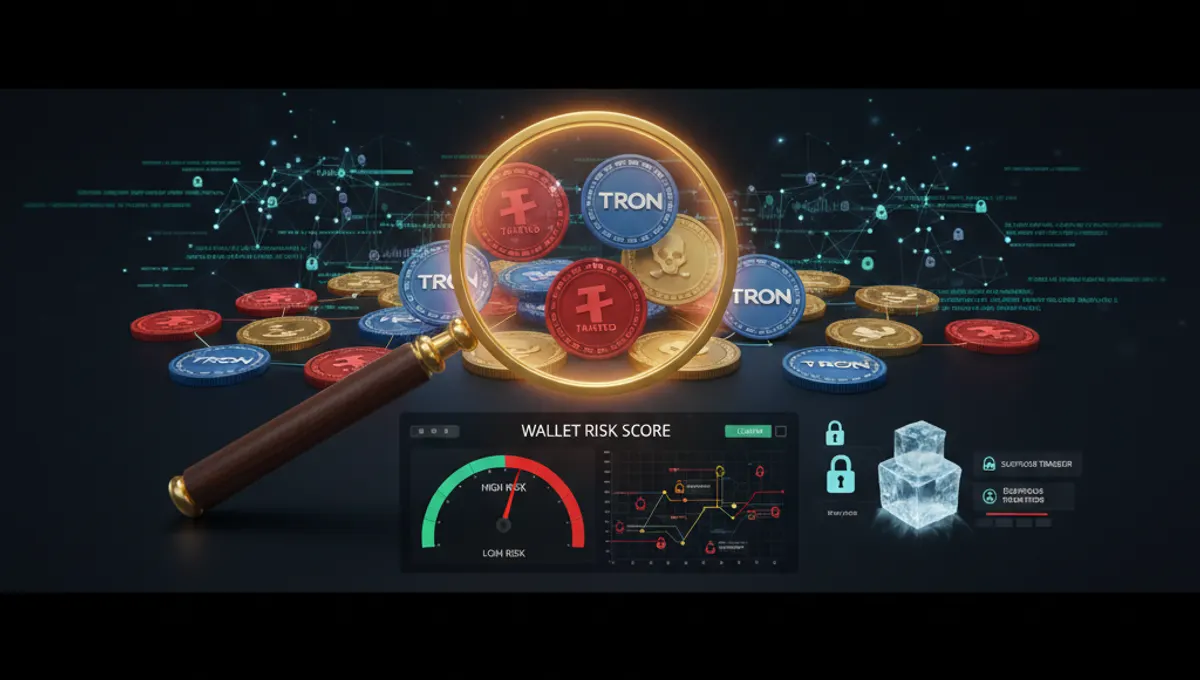
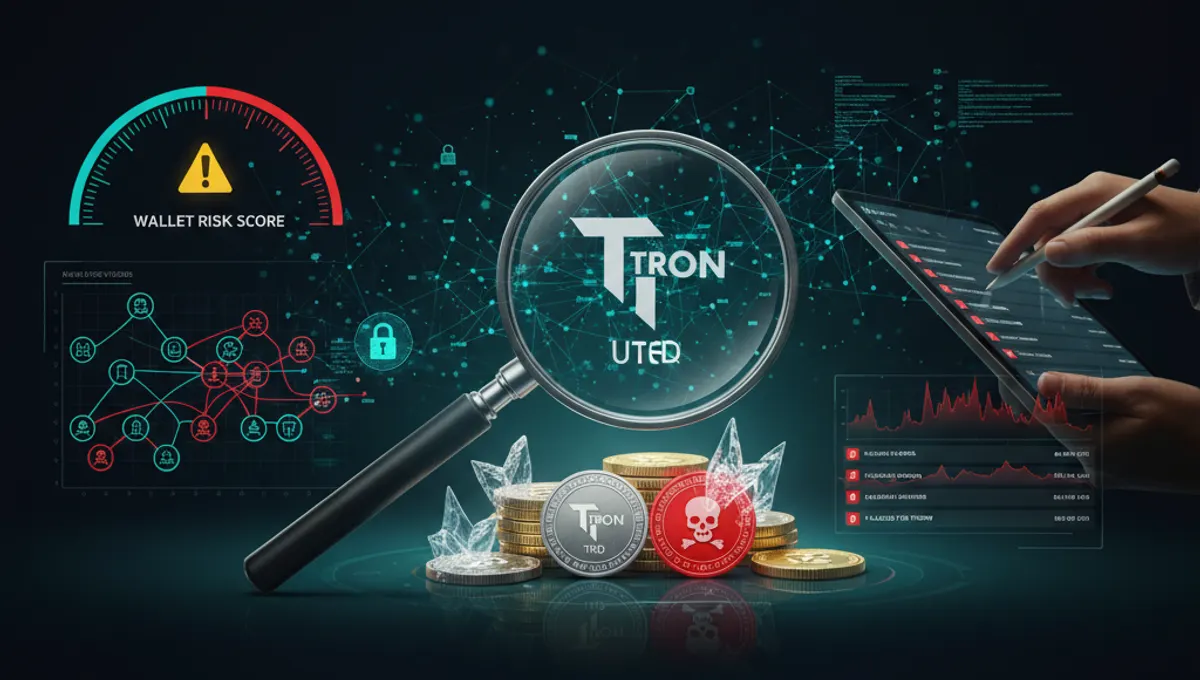
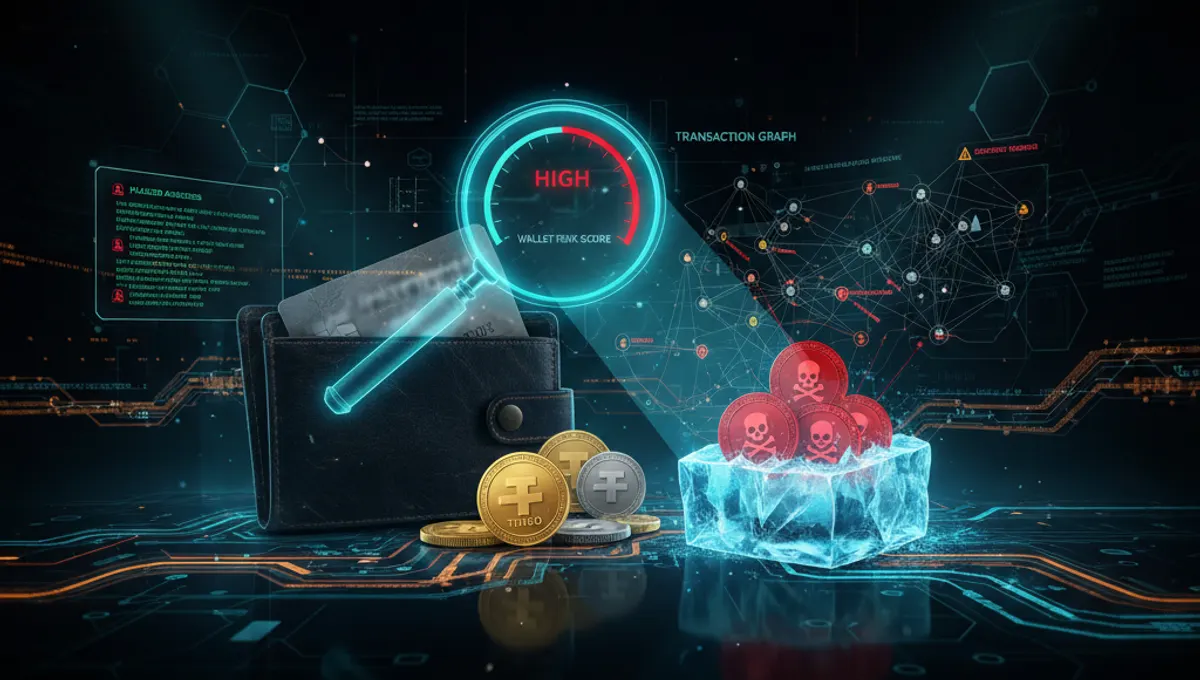
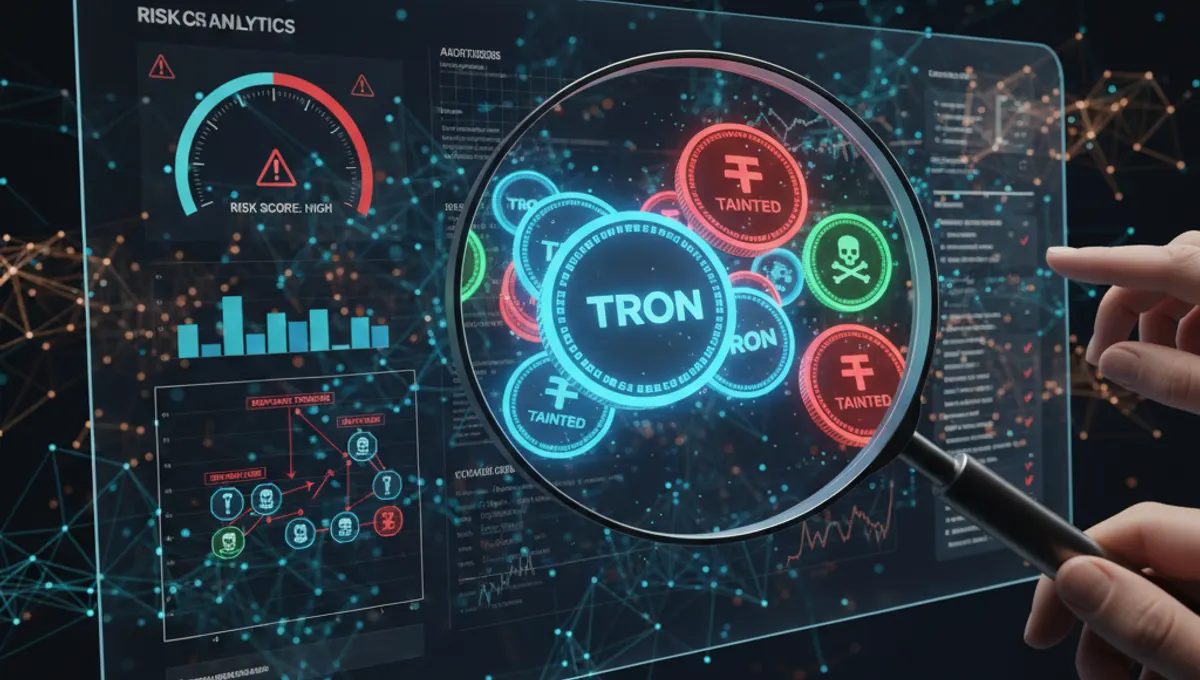
Before accepting a transfer, especially of USDT or TRX, screen the sending wallet for AML risk. A crypto wallet screening process checks whether the address has been linked to theft, sanctions, darknet markets, or other illicit activity. Here's how to do it:
- Obtain the sender's public address.
- Use a blockchain analytics or AML screening service to run a risk assessment.
- Review the risk score and any flagged activity.
- Decide whether to accept the transfer based on your risk tolerance. Risk scores typically range from low (green) to high (red). Low-risk wallets have clean transaction histories. Medium-risk wallets may have minor red flags like mixer usage. High-risk wallets show links to theft, sanctions, or darknet markets. If you receive funds from a high-risk wallet, exchanges may freeze your account or flag your coins as tainted. Many compliance-focused services offer free screening for single addresses; for ongoing monitoring, paid plans are available. Check the AML Services page on this site for verified screening tools that support TRX, USDT, Bitcoin, and Ethereum addresses.
What Risk Score Levels Mean and How to Respond
Risk scores quantify the likelihood that a wallet or transaction is linked to illicit activity. Most services use a 0–100 scale or color coding (green, yellow, red). A score of 0–20 (green) indicates low risk: the wallet has a clean history with no known illicit links. A score of 21–50 (yellow) indicates medium risk: the wallet may have used mixers, interacted with gambling platforms, or shown unusual patterns, but no direct theft or sanctions links. A score of 51–100 (red) indicates high risk: the wallet is linked to theft, sanctions, darknet markets, or other serious violations. If you receive funds from a red-flagged wallet, your own wallet and exchange account may be frozen pending investigation. Acceptable risk thresholds depend on your use case: retail users should avoid anything above 30; institutional buyers should avoid anything above 10. If your coins are flagged, contact the exchange immediately and provide documentation of the transaction. Some exchanges allow you to prove the funds are legitimate; others may permanently freeze the account. Prevention is easier than remediation: always screen before accepting large transfers.
Real-World Crypto Wallet Example: Receiving USDT on Tron
Here's a practical scenario: you're receiving 10,000 USDT on the Tron network (TRC20). Your wallet address is TAbCdEfGhIjKlMnOpQrStUvWxYz123456789. Before accepting the transfer, you ask the sender for their Tron address and run it through an AML screening service. The service returns a risk score of 15 (green) with no flagged activity. You accept the transfer. The USDT arrives in your wallet within seconds (Tron is fast). You can now hold, trade, or withdraw the USDT. If the screening had returned a score of 75 (red) with links to a known theft, you would decline the transfer and ask the sender to use a different wallet. This simple step protects you from receiving stolen or sanctioned funds, which could result in your exchange account being frozen or your coins being seized. Always screen before accepting, especially for large amounts or unfamiliar senders.
Frequently asked questions
What is a crypto wallet example for beginners
A beginner-friendly crypto wallet example is MetaMask (browser extension or mobile app) or Trust Wallet (mobile). Both are hot wallets that let you store, send, and receive Ethereum and other tokens without technical setup. They're free, widely supported, and have built-in security features like seed phrase backup. For maximum security, a hardware wallet like Ledger Nano S is a good next step once you hold significant amounts.
How do I check if a crypto wallet is safe before sending money
Run the sender's wallet address through an AML screening service to check for risk flags. Look for a risk score and any linked activity (theft, sanctions, darknet). A green score (0–20) is safe; yellow (21–50) warrants caution; red (51–100) means decline. Use verified services from the AML Services page on this site for accurate results. Always screen before sending large amounts.
What are typical crypto wallet fees
Fees vary by wallet type and blockchain. Hot wallets charge trading fees (0.1–0.5%) and withdrawal fees. Cold wallets have no ongoing fees but upfront hardware costs. Network fees depend on congestion: Bitcoin and Ethereum can cost $5–$50 per transaction; Tron typically costs under $1. Check your wallet's fee schedule before moving funds.
Can a crypto wallet be frozen or banned
Yes. If you receive funds flagged as stolen or sanctioned, exchanges may freeze your account pending investigation. This is why AML screening is critical. Custodial wallets (on exchanges) are more likely to be frozen than self-hosted wallets. Always screen incoming transfers and maintain clean transaction history to avoid freezes.
What does a crypto wallet number or address look like
A crypto wallet address is a long string of letters and numbers unique to each blockchain. Bitcoin addresses start with 1, 3, or bc1; Ethereum addresses start with 0x; Tron addresses start with T. Example Tron address: TAbCdEfGhIjKlMnOpQrStUvWxYz1234567890. Never send funds to a wrong address—they cannot be recovered. Always double-check before confirming a transaction.