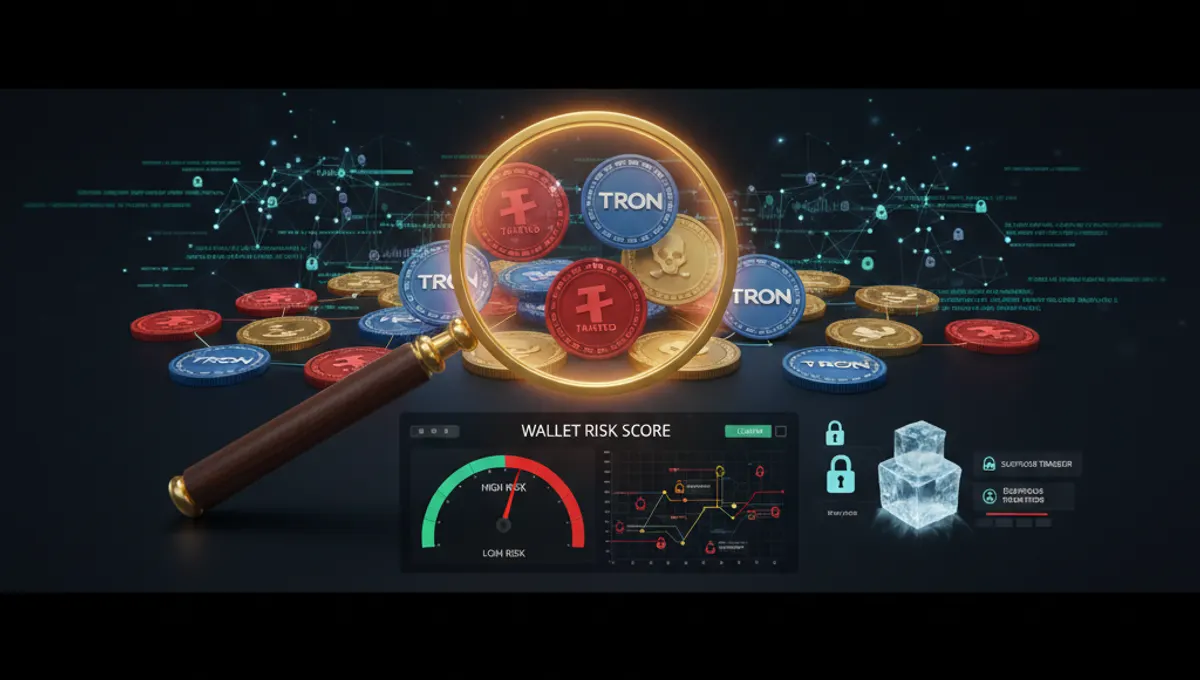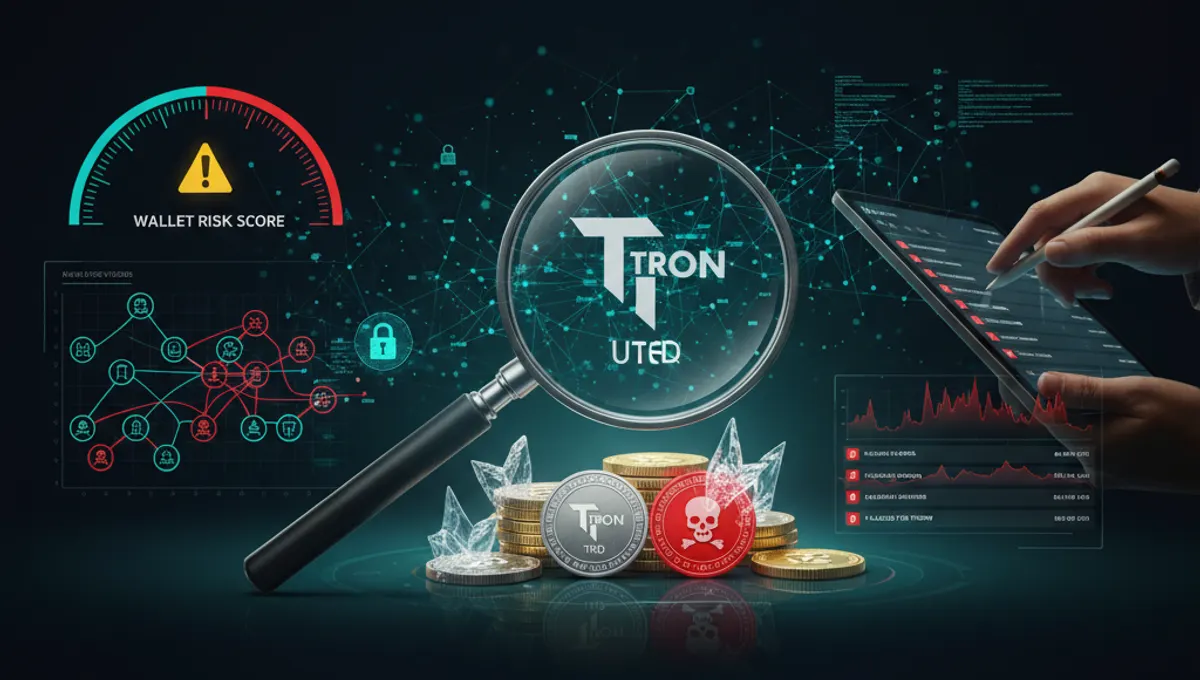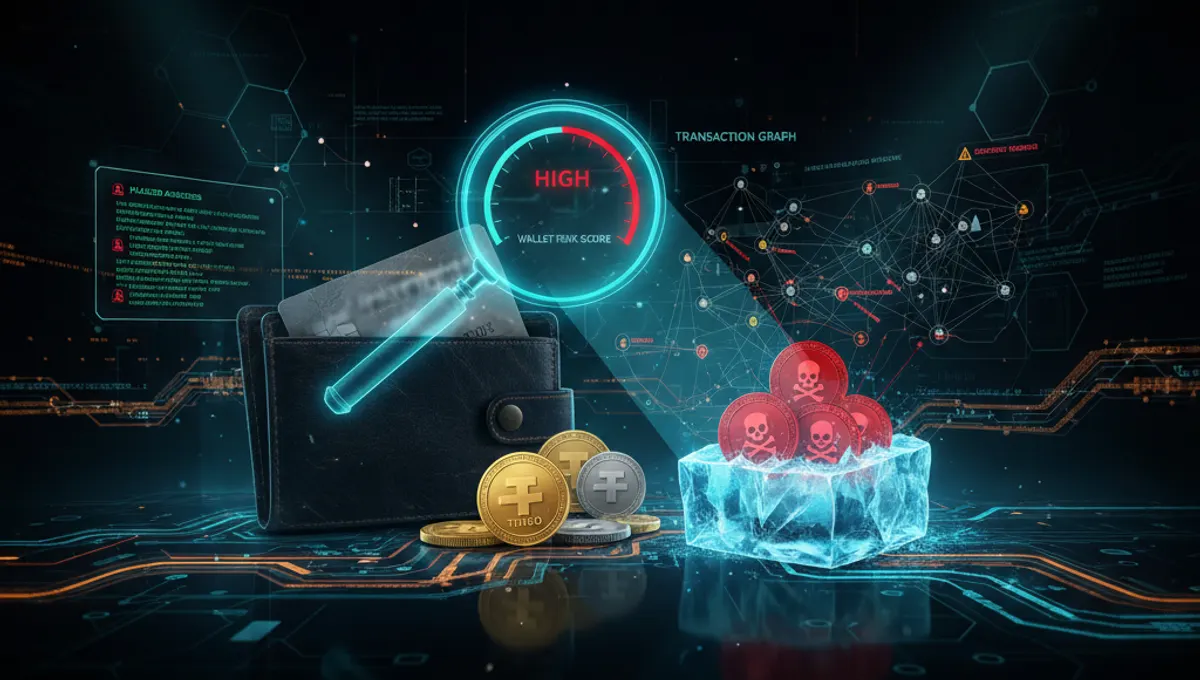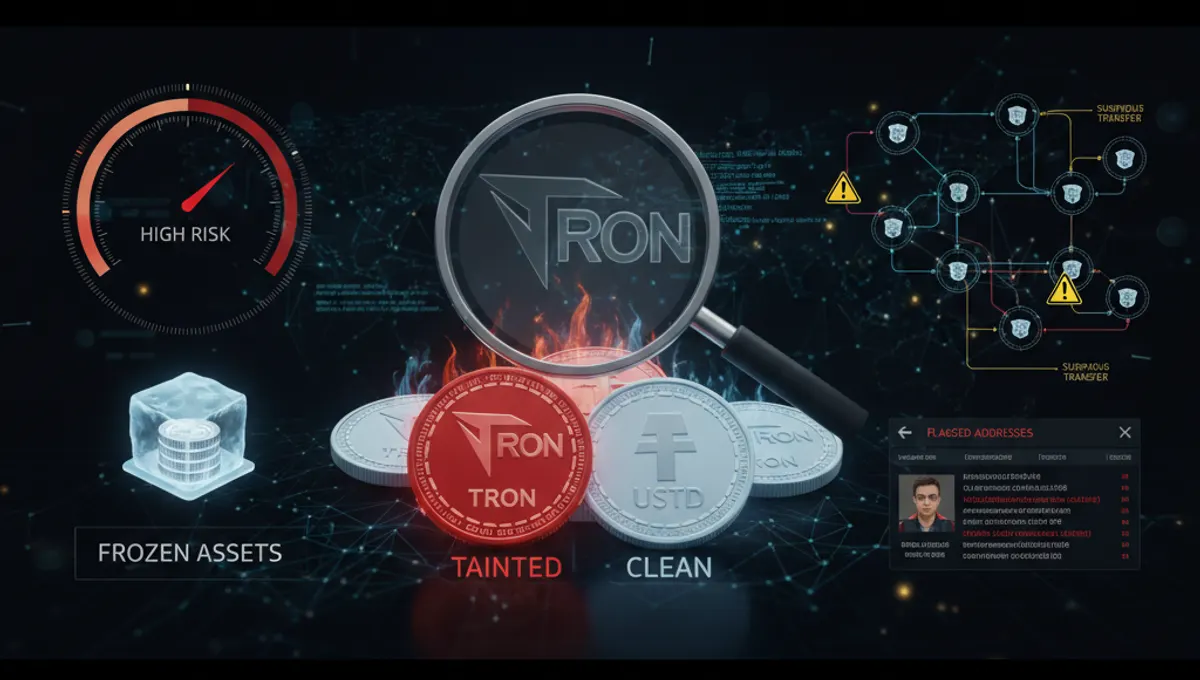
What Is a Crypto Wallet and Why Location Matters
A crypto wallet is software or hardware that stores private keys and allows you to send and receive cryptocurrency. When people search for a crypto wallet near me, they typically mean one of two things: a physical service location (like a crypto exchange or ATM) or a trusted wallet provider accessible locally. The location aspect matters for compliance and safety. If you're receiving USDT on Tron (TRC20), Bitcoin, or Ethereum, the wallet's history and risk profile determine whether your coins will be accepted by exchanges or frozen due to sanctions or theft flags. Understanding wallet examples—from hardware wallets like Ledger to exchange wallets like those offered by major platforms—helps you choose the right storage method. Local availability also affects transaction fees and support access when issues arise.
Crypto Wallet Explained: Types and How They Work
Crypto wallets come in several forms, each with different security and compliance profiles. A hardware wallet stores keys offline on a physical device, offering maximum security but no built-in compliance screening. A software wallet runs on your phone or computer and connects to the blockchain directly. An exchange wallet is hosted by a platform and subject to their AML checks and regulatory requirements. A custodial wallet is managed by a third party on your behalf. Each type has trade-offs: hardware wallets are secure but don't screen incoming funds for dirty crypto; exchange wallets enforce KYC and AML but charge custody fees. When choosing a wallet, consider whether you need local support, how you'll verify incoming addresses, and whether the wallet provider screens transactions. A crypto wallet ranking would prioritize security, regulatory compliance, and transaction monitoring capabilities. Before moving funds into any wallet, especially if receiving large amounts, use an AML service to check the sending address for risk scores, sanctions exposure, and darknet links.
Crypto Wallet Fees: What You Pay and Why
Crypto wallet fees vary by type and service. Hardware wallets have an upfront purchase cost (typically $50–$200) but no ongoing transaction fees. Software wallets are free to download but may charge network fees (gas on Ethereum, TRX fees on Tron) when you send funds—these are blockchain fees, not wallet fees. Exchange wallets often include withdrawal fees (usually 0.5–2% or a fixed amount) and may charge inactivity fees. Custodial wallets may charge monthly or annual custody fees. Some AML-compliant wallet services add screening fees to each transaction, typically $1–$10 per address check, to cover compliance costs. When comparing wallets, factor in both transaction costs and the cost of compliance screening. A wallet that charges higher fees but includes built-in AML checks may save you money and risk in the long run by preventing frozen funds. Always ask whether a wallet provider screens incoming addresses and what their risk score thresholds are before accepting deposits.
How to Check a Wallet Address Before Receiving Funds
Before accepting cryptocurrency into your wallet, screen the sending address using an AML service. Here's the step-by-step process:
- Obtain the full sending wallet address (e.g., a TRC20 USDT address on Tron, a Bitcoin address, or an Ethereum address).
- Visit a trusted AML service from our curated AML Services list on this site.
- Enter the address into the screening tool.
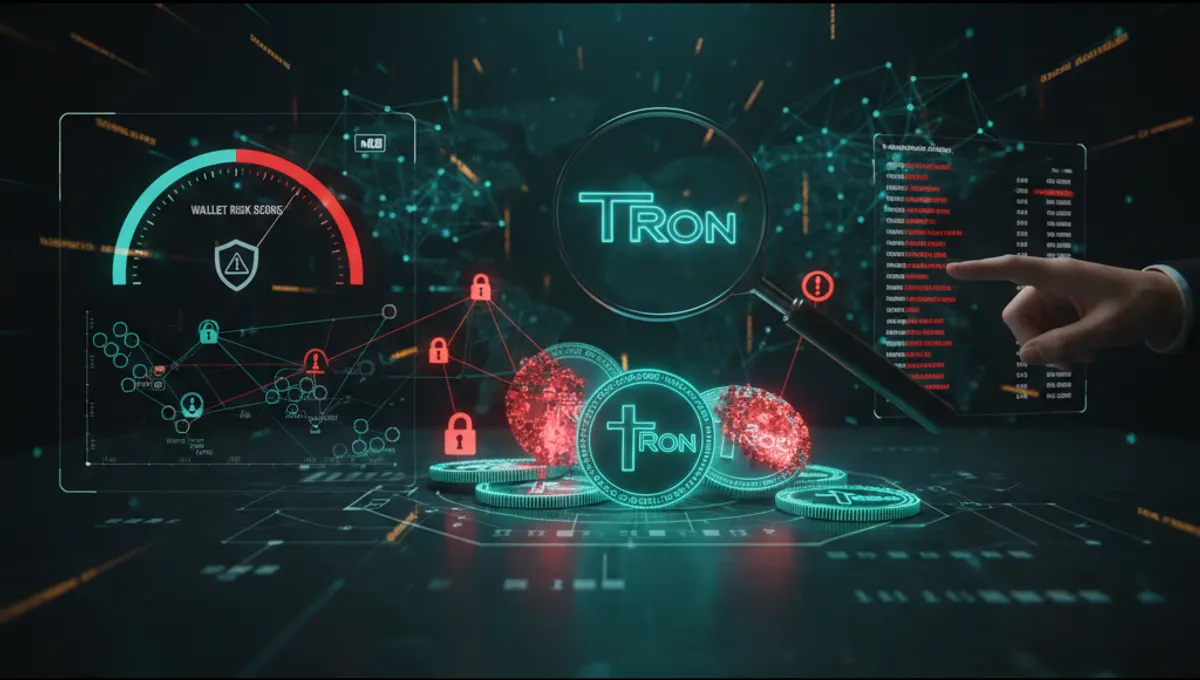
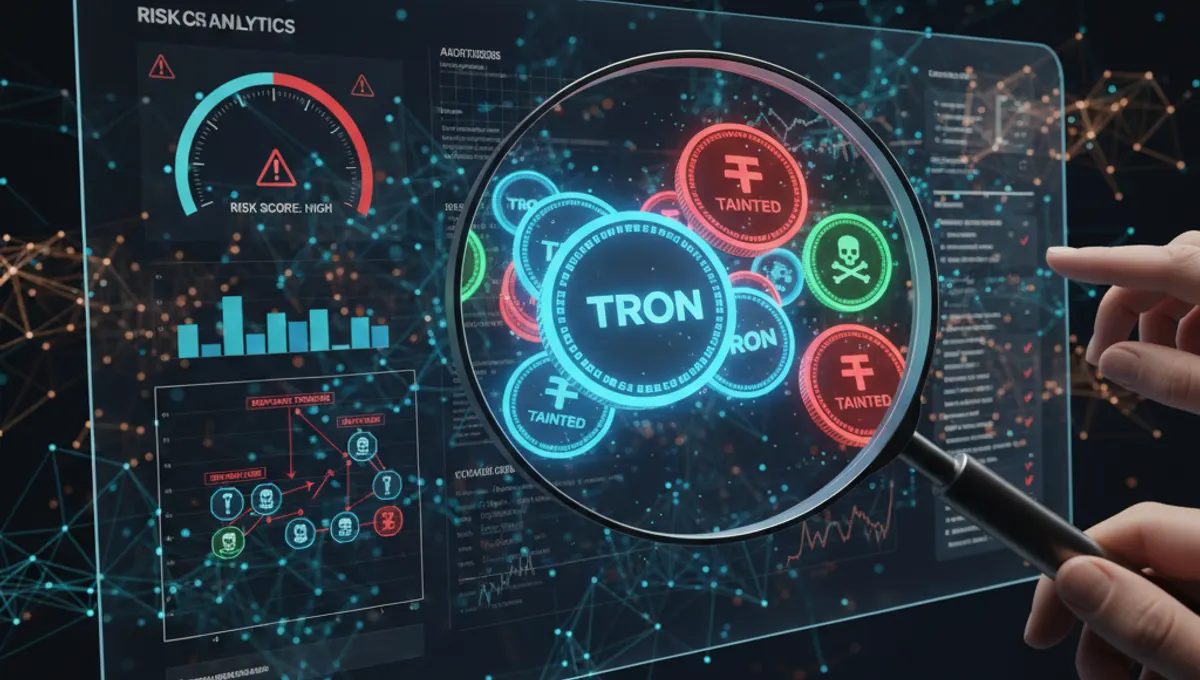
- Review the risk score (typically 0–100, where 0 is clean and 100 is high risk).
- Check for flags: sanctions exposure, darknet market links, mixer involvement, stolen funds, or scam associations.
- Decide your acceptable risk threshold. Most exchanges freeze wallets with scores above 70–80.
- If the score is acceptable, proceed with the transfer. If flagged, ask the sender for an alternative address or decline the transfer.
This process takes 2–5 minutes and prevents you from receiving tainted coins that could be frozen by your exchange, triggering account bans or compliance holds. A crypto wallet number (the address itself) is only as safe as its history; screening reveals that history.
Understanding Risk Scores and Acceptable Thresholds
An AML risk score quantifies the likelihood that a wallet address is associated with illicit activity, sanctions, or stolen funds. Scores typically range from 0 (clean) to 100 (high risk). Here's how to interpret them:
0–20: Very low risk. Address shows no known darknet, mixer, or sanctions exposure. 21–50: Low to moderate risk. Address may have minor associations (e.g., received from a mixer but not directly) or is new with limited history. 51–70: Moderate to high risk. Address has clear links to mixers, gambling, or unconfirmed theft reports. 71–100: Very high risk. Address is flagged for sanctions, confirmed stolen funds, darknet market activity, or scam involvement.
Most exchanges freeze deposits from addresses scoring above 70–80. Some stricter platforms reject anything above 50. Your acceptable threshold depends on your risk tolerance and whether you're a business (stricter) or individual (more flexible). If you receive funds from a flagged address, your own wallet may inherit that risk, leading to frozen USDT or exchange account bans. Always check before accepting large transfers.
What Happens When a Wallet Is Flagged as Dirty Crypto
If you receive cryptocurrency flagged as tainted or dirty, several consequences can follow. First, when you deposit those coins into an exchange, the platform's compliance system detects the risk score and may freeze your account pending investigation. This freeze can last days to weeks. Second, the exchange may reject the deposit outright, returning it to your wallet. Third, if the coins are linked to sanctions or confirmed theft, the exchange may permanently ban your account and report you to regulators. Fourth, you may face legal liability if you knowingly receive stolen funds, depending on your jurisdiction. To avoid this, screen every incoming address before accepting funds. If you've already received flagged coins, contact the exchange's compliance team immediately, explain the situation, and provide evidence that you didn't knowingly receive stolen or sanctioned funds. Some exchanges may whitelist your account after investigation. The safest approach is prevention: use an AML service from our verified list before every significant transfer.
Finding a Trusted Wallet Service Near You
To find a crypto wallet service near you, start with established exchanges and wallet providers that operate in your region. Check their websites for physical locations, local support, and compliance certifications. Look for providers that explicitly mention AML screening, KYC verification, and transaction monitoring. Read reviews on independent platforms to verify their security and customer service. When evaluating a wallet service, ask these questions: Do they screen incoming addresses for AML risk? What is their risk score threshold for accepting deposits? Do they provide transaction history and compliance reports? Are they regulated in your jurisdiction? Do they offer local customer support? Once you've narrowed your options, test their screening process by checking a sample address through their AML tools (if available) or our curated AML Services list. A reputable wallet service will have transparent policies, clear fee structures, and built-in compliance screening. Avoid services that don't mention AML or KYC—they're likely unregulated and expose you to frozen funds and account bans.
Frequently asked questions
What is a crypto wallet example I can use locally?
Common examples include hardware wallets (Ledger, Trezor), software wallets (MetaMask, Trust Wallet), and exchange wallets (Kraken, Coinbase). Hardware wallets offer offline security; exchange wallets include AML screening. Choose based on your security needs and whether you want built-in compliance checks.
How do I know if a wallet address is safe before sending money?
Use an AML screening service to check the address's risk score, sanctions exposure, and darknet links. Scores 0–20 are safe; 71–100 are flagged. Most exchanges reject scores above 70. Screen every address before sending large amounts to avoid frozen funds.
What crypto wallet fees should I expect?
Hardware wallets cost $50–$200 upfront. Software wallets are free but charge network fees (blockchain costs). Exchange wallets charge withdrawal fees (0.5–2%). AML screening adds $1–$10 per check. Compare total costs, including compliance fees, when choosing a wallet.
Can my wallet be frozen if I receive dirty crypto?
Yes. If you deposit flagged coins into an exchange, your account may be frozen pending investigation or permanently banned. To prevent this, screen every incoming address using an AML service before accepting funds. Check our verified AML Services list for trusted screening tools.
What does a crypto wallet number mean?
A crypto wallet number is the wallet's address—a unique identifier on the blockchain. It's not a secret; you share it to receive funds. The address's safety depends on its history. Always screen an address for AML risk before sending or receiving large amounts.