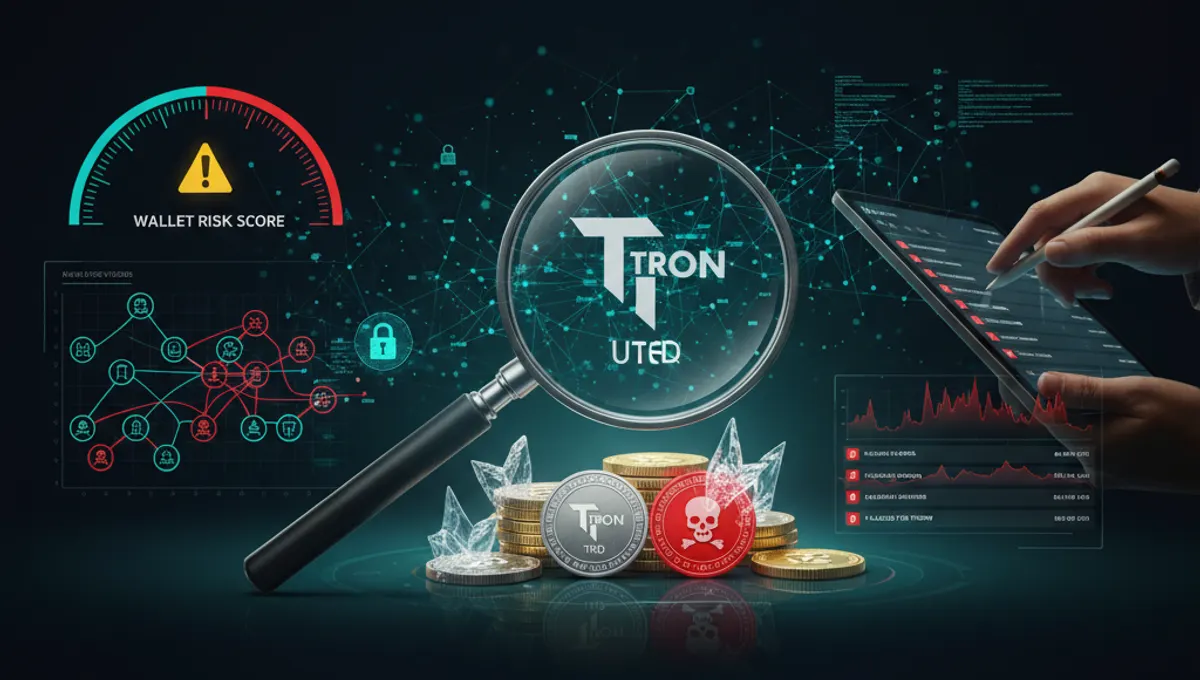
What Are the Main Types of Mobile Wallets and Their Withdrawal Limits
Mobile wallets come in two primary forms. Custodial wallets are operated by a company or exchange—examples include mobile apps from regulated exchanges or payment services. These wallets hold your private keys on their servers and restrict withdrawals based on their compliance policies, account status, and AML risk scoring. Non-custodial wallets, such as self-custody apps, give you full control of private keys and typically allow unrestricted transfers to any blockchain address, though network fees still apply. Some hybrid wallets offer both features. Custodial wallets often do not permit direct cash withdrawal to bank accounts without identity verification, transaction history review, and AML clearance. Non-custodial wallets do not restrict where you send coins, but converting to fiat still requires a third-party exchange or service, which will impose its own withdrawal rules.
How Does Crypto Wallet AML Compliance Affect Cash Withdrawal
AML (Anti-Money Laundering) compliance is the primary reason custodial mobile wallets restrict cash withdrawals. When you attempt to withdraw fiat currency or move large amounts of crypto, the wallet provider screens your account against sanctions lists, checks transaction history for darknet exposure or mixer usage, and calculates a risk score. If your account or incoming funds are flagged as high-risk—due to stolen coins, sanctioned entity involvement, or suspicious transaction patterns—the wallet will freeze or deny the withdrawal. This is not arbitrary: regulated custodial wallets must comply with financial crime regulations or face account bans and regulatory penalties. Non-custodial wallets do not perform AML checks internally, but if you later deposit flagged coins into a regulated exchange, that exchange will reject the deposit or freeze your account. Understanding your wallet's AML policy before receiving funds helps you avoid receiving tainted coins that could lock your account.
What Risk Score Levels Determine Withdrawal Restrictions
Custodial wallet providers assign a risk score to each transaction and account based on blockchain analytics. Low-risk scores (typically 0–20 on a 0–100 scale) indicate clean coins with no darknet, mixer, or theft history; these usually allow unrestricted withdrawals. Medium-risk scores (21–50) may trigger additional verification or temporary holds. High-risk scores (51–100) often result in withdrawal denial, account suspension, or mandatory reporting to authorities. Risk scoring considers factors such as: transaction source (exchange, peer-to-peer, or unknown origin), address history (whether it has interacted with known darknet markets, gambling platforms, or ransomware wallets), and temporal patterns (sudden large transfers or rapid movement between wallets). If your mobile wallet shows a high risk score, you cannot withdraw cash until the provider reviews and clears the coins or you provide proof of legitimate origin. This is why checking a wallet's risk score before receiving USDT, TRX, or BTC is essential for compliance.
How to Check Your Mobile Wallet Before Receiving Crypto
Before accepting a transfer into your mobile wallet, verify the sender's address and transaction history using a blockchain analytics service. Steps:
- Obtain the sender's wallet address.
- Use a reputable AML screening tool to check the address for darknet exposure, mixer usage, theft flags, and sanctions list matches.
- Review the risk score and transaction history.
- If the score is low (under 20), accept the transfer.
- If medium or high, ask the sender for proof of legitimate origin or decline. After receiving funds, your custodial wallet provider will also screen the deposit; if it fails their AML check, your account may be frozen. Using verified AML services listed on trusted compliance platforms before receiving coins is the safest starting point and can prevent account bans. Crypto wallet fees vary by provider and transaction type—on-chain transfers typically cost network fees (paid to miners), while custodial transfers between users may be free or charge a small percentage.
Why Some Mobile Wallets Do Not Permit Cash Withdrawal to Bank Accounts
Custodial mobile wallets often do not allow direct fiat withdrawal to bank accounts without completing KYC (Know Your Customer) verification. This is because fiat withdrawal is a regulated financial service; the wallet provider must confirm your identity, verify your bank account ownership, and ensure the funds are not proceeds of crime. Additionally, if your account holds coins flagged as dirty (stolen, from ransomware, or linked to sanctions), the wallet will deny the withdrawal and may freeze your account pending investigation. Some wallets also restrict withdrawals based on account age, transaction volume, or geographic location due to local financial regulations. Non-custodial wallets do not restrict withdrawals because they do not hold your funds—you control them directly. However, when you later try to sell those coins on an exchange, that exchange will perform the same AML checks and may reject the transaction if the coins are tainted. This is why understanding your wallet type and its compliance rules before receiving large amounts is critical.
What to Do If Your Mobile Wallet Flags Coins as Tainted or High-Risk
If your custodial mobile wallet freezes your account or denies a withdrawal due to high-risk or tainted coins, take these steps:
- Contact the wallet provider's support team and request details on the risk flag.
- If the coins were received from a legitimate source, provide documentation (invoice, contract, exchange receipt) proving lawful origin.
- If the coins came from a peer-to-peer transfer, ask the sender for proof of their source.
- Request a manual review of your account.
- If the provider cannot clear the coins, consider transferring them to a non-custodial wallet (though this does not remove the taint—it only moves the coins). The reality is that tainted coins cannot be cleaned; they retain their transaction history on the blockchain permanently. If you cannot prove legitimate origin, the wallet will likely maintain the freeze to comply with financial crime regulations. This is why screening addresses before receiving transfers is far easier than trying to recover frozen funds later. For guidance on safe AML screening practices, consult the verified AML services listed on trusted compliance directories.
Crypto Wallet Explained: Custodial vs. Non-Custodial Withdrawal Models
A custodial mobile wallet is a service where the provider holds your private keys and manages your funds on your behalf. You access your coins through the app, but the provider controls the backend and enforces withdrawal rules, AML checks, and compliance policies. Examples include mobile apps from regulated exchanges. A non-custodial wallet is software you control; your private keys never leave your device, and you alone decide where to send coins. The trade-off: custodial wallets offer convenience and customer support but restrict withdrawals; non-custodial wallets offer freedom but require you to manage security and recovery. Neither type prevents you from receiving tainted coins, but custodial wallets catch the problem at withdrawal time and protect themselves (and you) from regulatory penalties. Non-custodial wallets do not screen incoming coins, so you may unknowingly hold stolen or sanctioned funds until you try to deposit them into a regulated service. Understanding this distinction helps you choose the right wallet for your needs and avoid withdrawal surprises.
Frequently asked questions
Can I withdraw cash from a non-custodial mobile wallet
Non-custodial wallets do not restrict withdrawals to any blockchain address because you control the private keys. However, converting crypto to fiat cash requires a third-party exchange, which will perform AML checks and may deny the withdrawal if your coins are flagged as high-risk or tainted. The wallet itself does not block the transfer, but the exchange will.
What happens if I receive stolen crypto in my mobile wallet
If you receive stolen or tainted crypto in a custodial wallet, the provider's AML screening will flag it during your next withdrawal attempt, and your account may be frozen. In a non-custodial wallet, you can hold the coins, but they retain their taint permanently on the blockchain. When you try to sell them on an exchange, the exchange will reject the transaction or freeze your account.
How do I check if a mobile wallet address is safe before receiving coins
Use a blockchain analytics or AML screening service to check the sender's address for darknet exposure, mixer usage, theft flags, and sanctions matches. Review the risk score; if it is low (under 20), the transfer is likely safe. If high, ask the sender for proof of legitimate origin or decline the transfer. Verified AML services on trusted compliance platforms provide reliable screening.
Why do custodial wallets restrict cash withdrawal more than non-custodial wallets
Custodial wallets are regulated financial services and must comply with AML and KYC laws. They perform mandatory screening and freeze accounts if coins are flagged as tainted or high-risk. Non-custodial wallets are not regulated services—they do not hold your funds or perform checks—so they do not restrict transfers. However, exchanges you later use will enforce the same restrictions.
What crypto wallet fees should I expect when withdrawing cash
On-chain withdrawal fees (network fees) vary by blockchain and congestion, typically ranging from a few dollars to tens of dollars for Bitcoin or Ethereum. Custodial wallets may charge a percentage fee (0.5–2%) on fiat withdrawals. Non-custodial wallets charge only network fees. AML screening fees, if charged separately, are usually one-time or per-transaction and vary by service provider.