How Stolen Checks Are Traced Through Banking Systems
When a check is stolen and deposited, the banking system records the depositing institution, account number, date, and amount. Each check carries a unique identifier: the check number, routing number (bank code), and account number printed at the bottom. If fraud is reported, the bank investigates the deposit trail. The Federal Reserve and clearing houses maintain records of check processing. Law enforcement can subpoena these records to identify the depositing account and institution. The process is slower than digital transactions but creates a permanent audit trail. Banks also flag suspicious deposits through anti-money laundering (AML) systems, which can freeze accounts if deposits appear linked to theft or fraud. This is why depositing a stolen check triggers immediate red flags—the banking system is designed to catch it.
Can Crypto Transactions Be Traced Like Stolen Checks?
Crypto transactions are actually more traceable than many assume. Every transaction on a blockchain is permanently recorded with wallet addresses, amounts, timestamps, and transaction hashes. Unlike checks, which require institutional cooperation to trace, blockchain data is public and immutable. Blockchain analytics firms can map transaction flows, identify wallet patterns, and flag suspicious activity. When stolen crypto moves through exchanges, KYC (Know Your Customer) requirements capture identity data. The key difference: checks require institutional intermediaries to trace, while crypto leaves a transparent ledger that anyone can audit. This transparency is why can crypto transactions be traced is a critical question for compliance teams. Exchanges now use transaction monitoring to detect stolen funds before they're withdrawn, similar to how banks flag suspicious check deposits.
What Happens When Stolen Crypto Is Deposited or Exchanged?
When stolen crypto reaches an exchange, AML screening systems check the wallet's transaction history against known theft and sanctions lists. If the wallet is flagged as tainted, the exchange freezes the deposit and may ban the account. This is why can stolen crypto be recovered depends partly on where it lands. If it enters a regulated exchange early, law enforcement can work with the exchange to recover it. If it moves through mixers, tumblers, or decentralized protocols, recovery becomes nearly impossible. The process mirrors stolen check tracing: both systems rely on institutional checkpoints. However, crypto offers a permanent record even after mixing attempts, whereas checks disappear into banking ledgers. Understanding can crypto wallets be hacked is also relevant here—stolen funds often originate from compromised wallets, and tracing begins by identifying the compromise point.
Risk Scoring and Dirty Crypto Detection
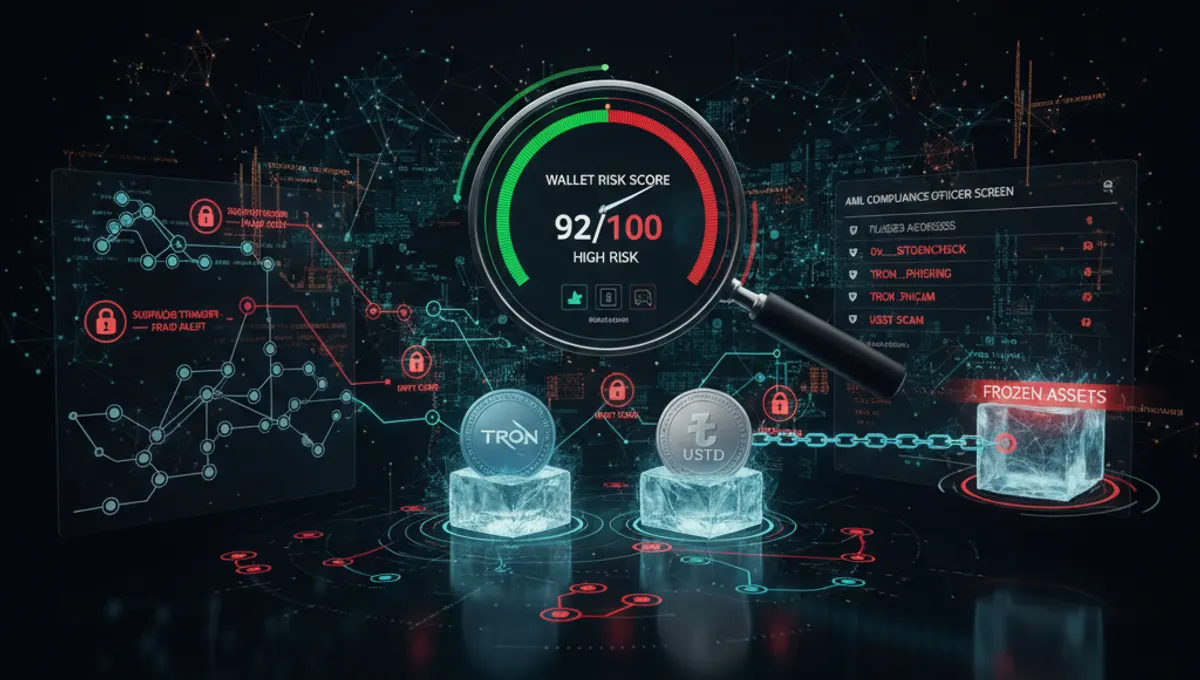
AML systems assign risk scores to wallets based on transaction history, sources, and behavioral patterns. A wallet that received funds from a known theft, darknet market, or sanctioned entity receives a high-risk score. Risk scoring works similarly for checks: deposits from unusual sources or in unusual patterns trigger review. For crypto, risk factors include: transactions with mixers, deposits from gambling platforms, links to ransomware addresses, and rapid movement between wallets. Exchanges use these scores to decide whether to accept deposits. A wallet flagged as dirty crypto cannot easily be converted to fiat. This is why checking a wallet before receiving USDT or TRX is essential—you avoid inheriting the risk. Services on our curated AML Services list provide wallet screening that assigns risk scores, helping you determine if incoming funds are safe to accept.
How to Check If Funds Are Stolen Before Accepting Them
Before accepting crypto, verify the source wallet's history. Steps:
- Obtain the sending wallet address.
- Use a blockchain analytics or AML screening service to check the address.
- Review the risk score and flagged categories (theft, sanctions, darknet, etc.).
- Decide your acceptable risk threshold—many businesses reject anything above low risk.
- Document the check for compliance records. For USDT TRC20 and other stablecoins, the same process applies. Our AML Services page lists verified screening tools that provide detailed reports on wallet history and risk factors. This process prevents you from receiving tainted coins, which can lead to frozen accounts or exchange bans. It also protects you legally—accepting funds you know are stolen can expose you to liability. The cost of a wallet check is minimal compared to the risk of account freezes or regulatory action.
What Happens If You Deposit a Dirty Check or Tainted Crypto?
Depositing a stolen check triggers bank fraud investigations, account freezes, and potential criminal charges. Similarly, depositing tainted crypto to an exchange results in account suspension, fund freezes, and possible bans. Exchanges maintain frozen USDT and other assets in compliance holds while investigating. If you unknowingly deposited dirty funds, you may recover them after proving you acted in good faith, but the process is lengthy. If you knowingly deposited stolen funds, you face criminal liability. This is why can you deposit a dirty check and can you get stolen crypto back are linked questions—both depend on intent and timing. The earlier the institution detects the fraud, the easier recovery becomes. However, if funds move through multiple wallets or exchanges, traceability decreases. The safest approach is to screen all incoming funds before accepting them, using the AML services listed on our site.
Key Differences Between Check and Crypto Traceability
Stolen checks are traced through banking institutions, which control the audit trail. Stolen crypto is traced through the blockchain, which is public and permanent. Checks require law enforcement to subpoena bank records; crypto can be analyzed by anyone with blockchain data. Checks move slowly through clearing houses, giving institutions time to detect fraud; crypto moves instantly, requiring real-time AML screening. Checks are tied to accounts and identities through KYC; crypto wallets can be anonymous unless they touch an exchange. However, both systems create permanent records. Both are now monitored by AML compliance systems. Both can be frozen if flagged as suspicious. The practical takeaway: neither checks nor crypto are truly anonymous in modern financial systems. Understanding this helps you protect yourself and your business from receiving stolen or tainted funds.
Frequently asked questions
Can stolen crypto be recovered if I receive it by accident?
Recovery depends on timing and where the funds land. If tainted crypto reaches an exchange with AML screening, the exchange may freeze it and cooperate with law enforcement. If it moves through mixers or decentralized protocols, recovery is nearly impossible. Report the incident to the exchange and law enforcement immediately. Document that you acted in good faith. Early detection significantly improves recovery chances.
How do I know if a crypto wallet address is safe before receiving funds?
Use an AML screening service to check the wallet's transaction history and risk score. Look for flags like darknet links, theft reports, sanctions designations, or mixer activity. Services on our AML Services page provide detailed reports. Accept only wallets with low-risk scores. Always verify before accepting large transfers. This takes minutes and prevents costly account freezes.
What happens if I deposit a stolen check or dirty crypto to my exchange account?
Your account will likely be frozen while the exchange investigates. Funds may be held in compliance for weeks or months. If you knowingly deposited stolen funds, you face criminal liability. If you acted unknowingly, you may recover funds after proving good faith, but the process is slow. Prevention through pre-deposit screening is far simpler than dealing with frozen accounts.
Can crypto wallets be hacked and drained without recovery?
Yes, compromised wallets can be emptied instantly. Recovery is possible only if the stolen funds are traced before they're converted or mixed. This is why wallet security (hardware wallets, multi-signature, strong passwords) is critical. If your wallet is hacked, report it immediately to exchanges where the funds may appear. Blockchain analytics may help trace the funds, but recovery is not guaranteed.
What risk score should I accept for incoming USDT or TRX transfers?
Most compliance-conscious businesses accept only low-risk wallets (typically scores below 30-40 on a 0-100 scale, depending on the service). Medium-risk wallets warrant investigation. High-risk wallets should be rejected. Your acceptable threshold depends on your business model and regulatory requirements. Consult your compliance officer and use services from our AML Services list for consistent scoring.