What Happens When Crypto Is Stolen
When someone gains unauthorized access to your wallet, they can move funds instantly to their own address or sell them on an exchange. Unlike a stolen check, which leaves a paper trail through the banking system, stolen crypto moves across a public blockchain where every transaction is visible but the owner's identity is not. The thief's next move determines recoverability: if they send coins directly to a regulated exchange, AML screening may flag the transaction as tainted and freeze the account. If they use a mixer or tumbler to obscure the origin, or move funds to a darknet market, tracing becomes exponentially harder. Time is critical—exchanges that perform KYT (Know Your Transaction) checks can catch stolen funds within hours or days, but once coins enter unregulated wallets or privacy services, recovery odds drop sharply.
Can Crypto Transactions Be Traced
Yes, crypto transactions can be traced on the blockchain because every transfer is recorded permanently and publicly. Anyone can see that address A sent X coins to address B at a specific time, but the identity behind each address is hidden unless it's linked to a regulated exchange or service. Blockchain analytics firms use clustering techniques to link addresses to known entities—exchanges, mixers, darknet markets, sanctioned wallets—and build transaction graphs. When you report stolen funds to an exchange or law enforcement, they can use these tools to follow the money's path. However, tracing stops when funds enter a mixer or tumbler, which deliberately breaks the transaction chain. If a thief sends your coins through a mixer and then to an unregulated wallet, the trail goes cold. This is why AML checks at the point of exchange entry are so powerful: they catch stolen funds before they disappear into privacy services.
How AML Checks Help Recover Stolen Crypto
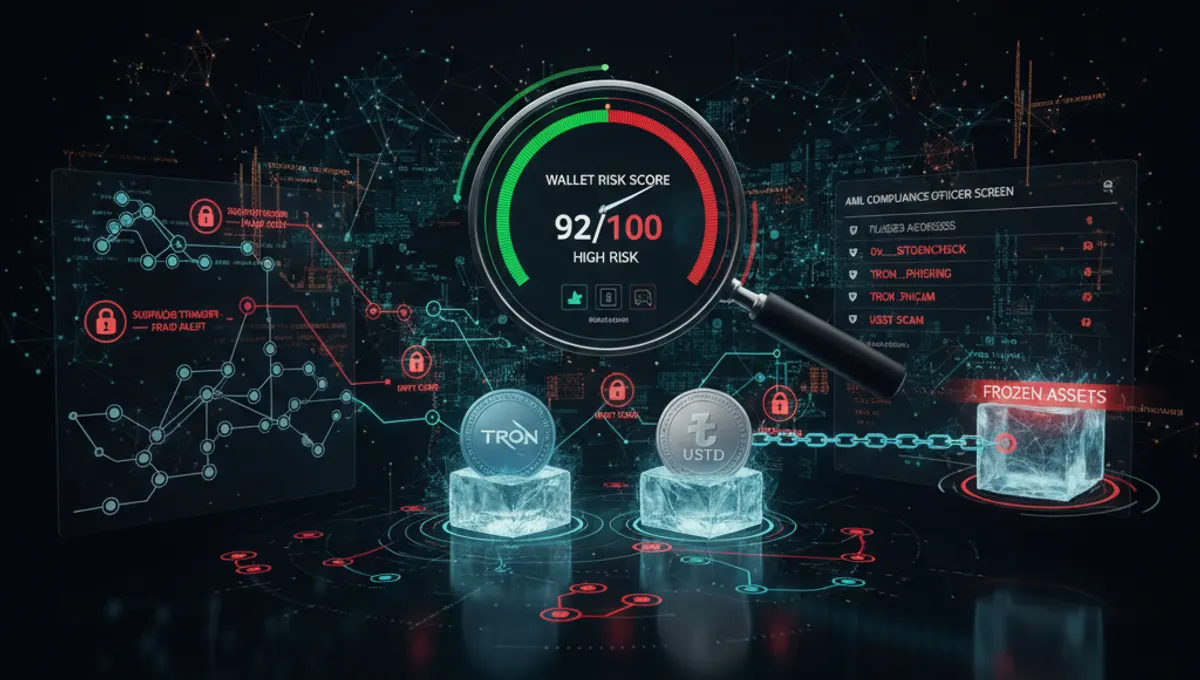
AML (Anti-Money Laundering) checks screen wallets and transactions against lists of known stolen funds, sanctioned entities, and high-risk sources. When stolen crypto reaches an exchange, the exchange's AML system compares the incoming transaction to its risk database. If the coins match a reported theft, the exchange can freeze the account and alert authorities. This is where recovery becomes possible: the exchange holds the funds pending investigation, and if law enforcement confirms the theft, the coins can be returned to the original owner. KYT (Know Your Transaction) monitoring works in real time, flagging suspicious activity as it happens. Our curated list of verified AML services on this site includes tools that screen wallets before you receive funds—checking whether incoming USDT, TRX, or BTC carries theft or sanctions risk. Using these services before accepting large transfers can prevent you from becoming a victim in the first place.
Steps to Take If Your Crypto Is Stolen
Act immediately to maximize recovery chances. First, do not move or spend any remaining funds in compromised wallets—preserve evidence. Second, report the theft to the exchange where you held the coins, providing transaction hashes and timestamps. Third, file a report with your local law enforcement and the FBI's Internet Crime Complaint Center (IC3) if you are in the US; include wallet addresses and the amount stolen. Fourth, contact the exchange where the thief is likely to deposit the coins—major exchanges like Kraken, Coinbase, and Gemini have compliance teams that monitor for stolen funds. Fifth, use blockchain analytics to track the coins yourself: follow the transaction chain to see if they've entered a mixer or exchange. Sixth, if the coins hit an exchange, work with that exchange's legal team to freeze the account pending investigation. Recovery timelines vary from weeks to months depending on jurisdiction and exchange cooperation.
Why Some Stolen Crypto Cannot Be Recovered
Recovery fails when stolen funds enter certain pathways. If a thief immediately sends coins through a mixer or tumbler, the transaction chain becomes unrecoverable—mixers deliberately scramble inputs and outputs so no one can link sender to receiver. If coins move to a wallet in a jurisdiction with no AML enforcement or to a darknet market, law enforcement has no legal authority to seize them. If the thief converts crypto to fiat currency on an unregulated exchange in a country with weak KYC rules, the trail ends. If funds sit dormant in a private wallet for months or years, there is no triggering event for exchanges to flag them. Stolen crypto that enters gambling platforms, scam schemes, or sanctioned entities is also effectively lost because those services do not cooperate with recovery efforts. This is why prevention—screening wallets before you receive funds and using strong security practices—is more reliable than recovery.
Checking Wallets to Avoid Receiving Stolen Crypto
Before accepting a large crypto transfer, screen the sender's wallet to ensure the coins are not tainted. Use AML check services to run a risk assessment on the sending address: these tools return a risk score indicating whether the wallet has received funds from mixers, darknet markets, scams, or sanctions lists. A low risk score means the coins are clean; a high score means they carry compliance risk and could be frozen if you deposit them on an exchange. Acceptable risk thresholds depend on your exchange and jurisdiction, but most regulated exchanges flag transactions with scores above 50–70 on a 0–100 scale. If you receive coins from an unknown source or a high-risk wallet, do not deposit them immediately—contact the sender and ask for clarification, or use a different wallet. Our verified AML services page lists trusted tools for screening wallets and transactions before you move funds. This preventive step takes minutes and can save you from account freezes, compliance holds, or worse.
Can Crypto Wallets Be Hacked and How to Prevent It
Yes, crypto wallets can be hacked through phishing, malware, weak passwords, and compromised private keys. If a hacker gains access to your seed phrase or private key, they can drain your wallet instantly. Prevention requires multiple layers: use a hardware wallet (Ledger, Trezor) to keep private keys offline; enable two-factor authentication on all exchange accounts; never share your seed phrase or private key with anyone; verify URLs before logging in to avoid phishing; use strong, unique passwords; and keep your devices free of malware. If you suspect your wallet has been compromised, move any remaining funds to a new, secure wallet immediately. Do not reuse the compromised wallet. If you have already lost funds, follow the recovery steps outlined above: report to exchanges, file with law enforcement, and use blockchain analytics to track the coins. Prevention is always cheaper and faster than recovery.
Frequently asked questions
Can you get stolen crypto back from an exchange
Yes, if the thief deposits stolen coins on a regulated exchange with AML screening. The exchange's compliance team will flag the transaction as tainted, freeze the account, and notify authorities. If law enforcement confirms the theft, the exchange can return the funds to the original owner. This process typically takes weeks to months depending on the exchange and jurisdiction.
How long does it take to recover stolen cryptocurrency
Recovery timelines vary widely. If stolen coins hit an exchange within hours, AML checks may catch them within days. If law enforcement is involved, the process can take weeks to months. If coins enter a mixer or unregulated wallet, recovery becomes unlikely. Acting immediately—reporting to the exchange and law enforcement—gives you the best chance of a faster resolution.
What is a risk score in crypto AML checks
A risk score is a numerical rating (typically 0–100) that indicates whether a wallet or transaction carries compliance risk. Scores are based on transaction history, connections to mixers, darknet markets, scams, and sanctions lists. Low scores (0–30) indicate clean funds; high scores (70–100) suggest tainted coins. Most exchanges flag transactions above 50–70 for manual review or freezing.
Can stolen crypto be traced through a mixer
No, mixers deliberately break the transaction chain to obscure the origin of funds. Once coins enter a mixer, blockchain analysis cannot reliably link the input to the output. This is why mixers are often used by thieves to launder stolen crypto. However, if the thief withdraws from the mixer to a regulated exchange, AML checks may still catch the transaction.
What should I do if I receive stolen crypto by mistake
Do not spend or move the coins. Report the transaction to the exchange where you received it, providing the sender's address and transaction hash. Contact law enforcement and file a report. Do not deposit the coins on another exchange, as you may face account freezes or legal complications. Work with the original exchange's compliance team to resolve the issue.