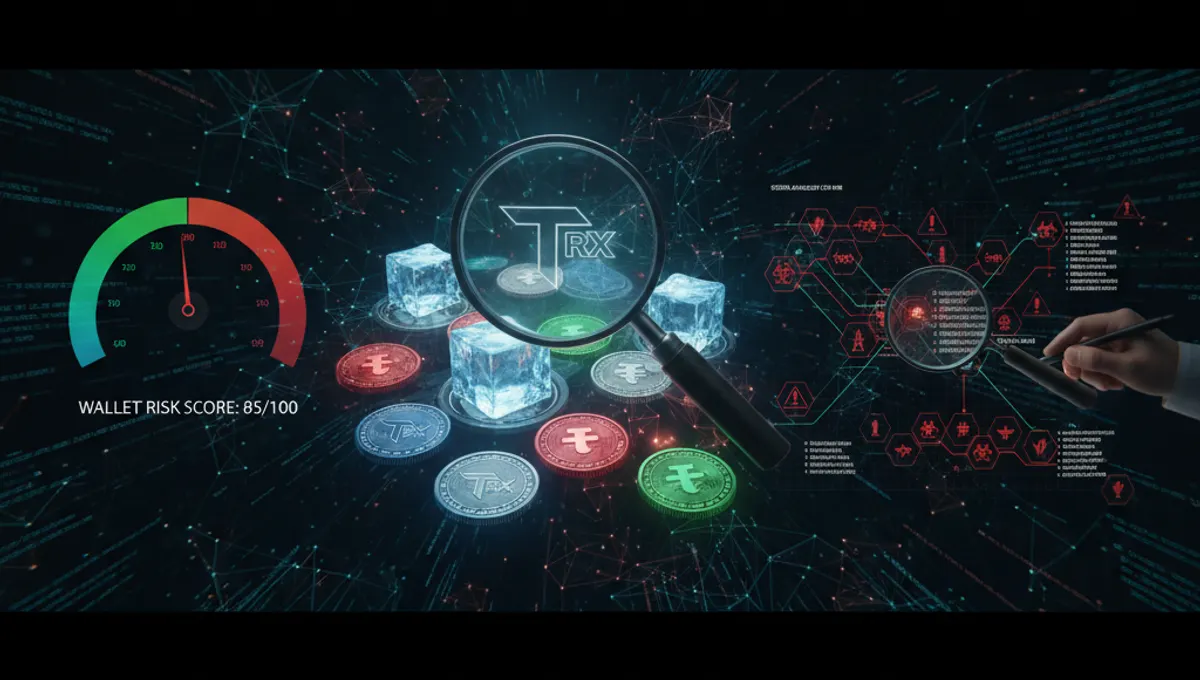
What Is a Crypto Wallet AML Check and Why Does It Matter
An AML check is a compliance screening that examines a blockchain address's transaction history and associations against known risk indicators. It looks for connections to mixers, darknet markets, scams, stolen funds, and sanctioned entities. When you receive cryptocurrency from an unknown source, that wallet may carry hidden risk. If the coins are flagged as tainted, exchanges can freeze your account or reject the deposit entirely. A crypto wallet AML check gives you visibility into these risks before funds arrive. This is especially critical for USDT and TRX transfers, where tainted coins on the Tron network can trigger immediate compliance holds. Risk scoring ranges from low (clean, minimal exposure) to high (strong indicators of illicit activity). Understanding this process protects both your funds and your compliance standing.
How Does AML Risk Scoring Work for Crypto Wallets
AML risk scoring assigns a numerical or categorical rating to a wallet based on transaction patterns and historical data. Blockchain analytics platforms analyze on-chain activity, including transaction frequency, counterparty addresses, and temporal clustering. A wallet that has received funds from a known mixer or darknet marketplace receives a higher risk score. Conversely, a wallet with long-term, transparent transaction history and no illicit associations scores lower. Risk scores typically fall into bands: green (low risk, under 20%), yellow (medium risk, 20–50%), orange (elevated risk, 50–80%), and red (high risk, above 80%). The exact thresholds vary by service and jurisdiction. Some platforms also flag specific risk categories separately—for example, sanctions exposure, stolen funds, or gambling activity—so you can assess which risks matter most to your compliance requirements. A crypto wallet explained through its risk score tells you whether the address is suitable for your transaction.
Step-by-Step: How to Check a Crypto Wallet Address
To perform a crypto wallet AML check, follow these steps:
- Obtain the wallet address you want to screen (e.g., a TRX address, USDT recipient, or Bitcoin wallet).
- Visit a trusted AML screening service listed on our curated AML Services page.
- Enter the address in the search field and select the blockchain (Tron, Ethereum, Bitcoin, etc.).
- Review the risk score and detailed findings, including any flagged transactions or counterparty associations.
- Check for specific risk categories: sanctions lists, stolen funds, mixer exposure, darknet connections, or scam involvement.
- Decide whether the risk level is acceptable for your transaction. If the score is high or red-flagged, consider rejecting the transfer or escalating to your compliance team.
- Document the check result for your records, especially if you proceed despite elevated risk.
Most reputable AML services provide a detailed report within seconds. The report typically includes transaction graph visualization, risk category breakdowns, and confidence scores for each finding. For high-value transfers or institutional use, always verify the wallet through a service you trust.
What Do Different Risk Score Levels Mean
Risk score levels indicate the likelihood that a wallet is associated with illicit activity or compliance violations. A low risk score (green, typically 0–20%) means the wallet has minimal exposure to known bad actors, mixers, or darknet markets. It's generally safe to receive funds from a green-scored address. A medium risk score (yellow, 20–50%) suggests some exposure—perhaps a few transactions with higher-risk counterparties or minor darknet connections—but not necessarily a deal-breaker. Many businesses accept yellow-scored transfers after internal review. An elevated risk score (orange, 50–80%) indicates significant exposure to illicit activity, stolen funds, or sanctions-adjacent entities. Accepting such transfers carries compliance risk and may trigger exchange scrutiny. A high risk score (red, 80%+) strongly suggests the wallet is involved in illegal activity, theft, or sanctions evasion. Most exchanges and compliance teams reject red-scored wallets outright. Your acceptable threshold depends on your jurisdiction, business model, and risk appetite. Institutional buyers typically accept only green; retail users may tolerate yellow with caution.
Common Risk Categories in Crypto Wallet Screening
AML checks flag several distinct risk categories:
- Stolen Funds: Coins traced to theft, hacks, or fraud. Receiving stolen crypto can result in account freezes and legal liability.
- Mixer Exposure: Wallets that have sent or received funds through privacy mixers, which obscure transaction trails and are often used to launder illicit proceeds.
- Darknet Markets: Direct or indirect connections to known darknet marketplaces (e.g., through transaction chains).
- Sanctions Lists: Addresses linked to individuals or entities on OFAC, EU, or other official sanctions lists.
- Scam or Fraud: Wallets associated with known Ponzi schemes, rug pulls, or phishing campaigns.
- Gambling: Transactions with gambling platforms; some compliance regimes flag this as elevated risk.
- Ransomware: Wallets that have received ransom payments or are known to belong to ransomware operators.
A single wallet may be flagged for multiple categories. The cumulative exposure determines the overall risk score. When you receive a crypto wallet AML check report, review each category individually to understand which specific risks apply.
What Happens If Your Wallet Is Flagged as High Risk
If your wallet receives a high-risk AML check result, several consequences may follow. Exchanges may freeze your account pending manual review or reject deposits outright. Your funds could be held in escrow while compliance teams investigate. In severe cases (e.g., sanctions exposure or stolen funds), exchanges may permanently close your account and report the activity to regulators. If you've already received tainted coins, you face a choice: attempt to move them to a compliant wallet (though many exchanges will reject them), hold them and hope for eventual delisting, or accept the loss. To mitigate risk, do not accept transfers from wallets you haven't screened. If a counterparty sends you flagged funds, document the transaction and contact your exchange's compliance team immediately to explain the situation. Proactive disclosure often results in better outcomes than silent acceptance. For businesses, maintain a clear policy: screen all incoming wallets above a certain threshold, reject high-risk transfers, and log all decisions. This demonstrates due diligence and protects you in regulatory inquiries.
Choosing a Trusted AML Check Service
Not all AML screening services are equal. When selecting a provider, verify that they cover the blockchains you use (Tron, Ethereum, Bitcoin, etc.), update their risk databases regularly, and provide transparent methodology. Check whether they flag specific risk categories or only provide an overall score. Some services offer free basic checks with limited detail; others charge per query or require subscriptions for institutional access. The best approach is to start with our curated list of verified AML services on this site, which have been vetted for accuracy, coverage, and compliance standards. These services integrate with major exchanges and are recognized by regulators. Before committing to a service, test it with a known-clean wallet and a flagged address to see how detailed the reports are. Compare crypto wallet fees across providers—some charge per check, others per month. For frequent screening, a subscription may be more cost-effective. Always prioritize services that provide audit trails and detailed reports suitable for compliance documentation.
Frequently asked questions
What is a crypto wallet number and does it affect AML checks
A crypto wallet number typically refers to the wallet's address—a unique identifier on the blockchain (e.g., a TRX address or Bitcoin public key). AML checks screen this address against risk databases. The address itself doesn't change, but its risk score can increase if it later receives funds from illicit sources. Always verify the address before sending funds.
Can I do a free crypto wallet AML check
Yes, some AML services offer free basic checks with limited detail. However, free tiers often provide only a risk score without detailed category breakdowns or transaction history. For comprehensive screening, especially for high-value transfers, paid services are more reliable. Check our AML Services page for options that balance cost and accuracy.
How long does a crypto wallet AML check take
Most reputable AML checks complete within seconds to a few minutes. The service queries its blockchain analytics database and returns a risk score and report instantly. Delays may occur if the service is under heavy load or if the address is new and requires additional analysis. Always allow time for review before accepting a transfer.
What crypto wallet fees should I expect from AML screening services
Fees vary widely. Free services offer basic checks. Per-query pricing typically ranges from a few cents to a few dollars per address. Subscription models for businesses may cost from tens to hundreds of dollars monthly depending on query volume and report detail. Compare providers on our AML Services page to find the best fit for your needs.
Will an AML check prevent me from receiving stolen crypto
An AML check identifies stolen crypto after the fact by flagging the wallet's history. It does not prevent receipt—you can still receive the funds. However, the check alerts you to the risk so you can decide whether to accept or reject the transfer. If you accept stolen coins, your exchange may freeze your account. Always screen before accepting large transfers.