What Is a Lost Crypto Wallet Search App?
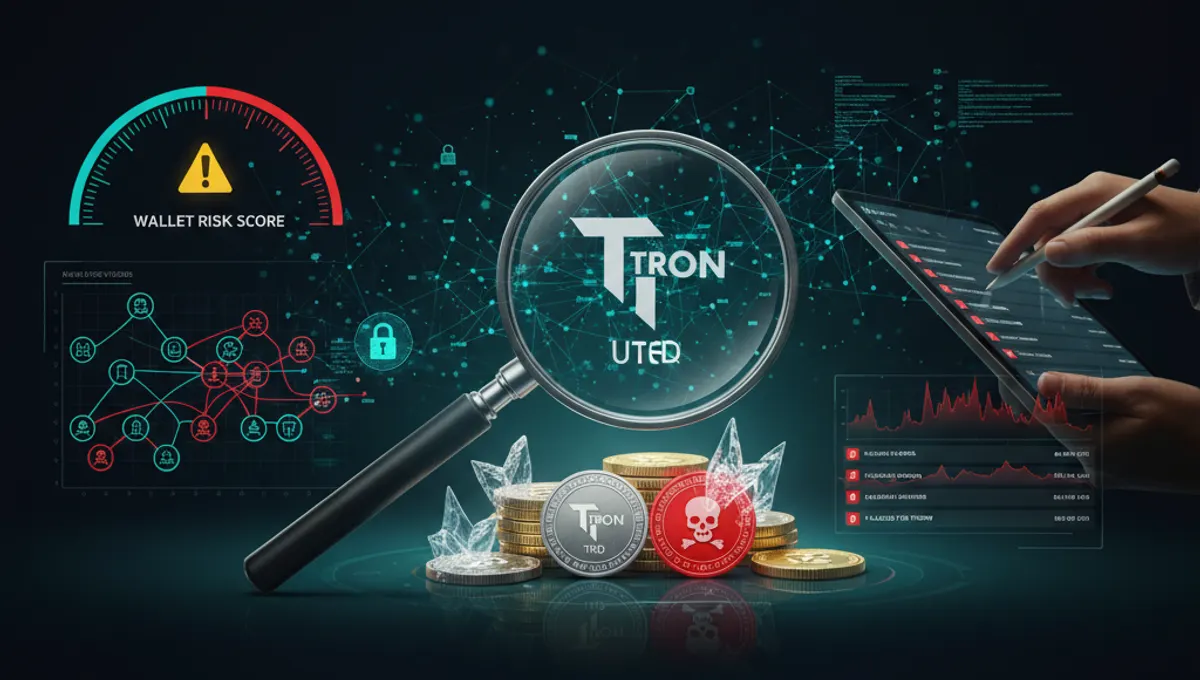
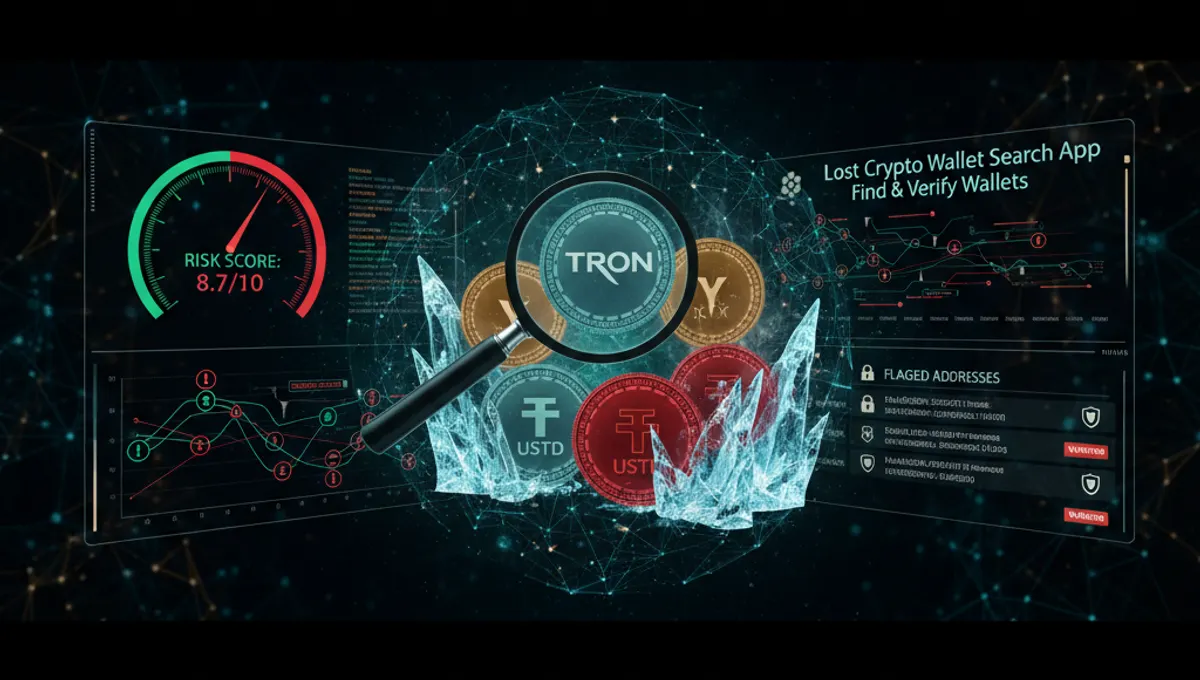
A lost crypto wallet search app is a blockchain lookup tool that lets you search for wallet addresses by partial information—such as a known transaction, public key, or associated exchange account. These apps query the blockchain directly to retrieve transaction history, balance snapshots, and metadata linked to a wallet. Beyond simple lookup, modern versions integrate AML screening to detect risk flags: whether funds passed through mixers, darknet markets, or sanctioned entities. When you're trying to recover a lost wallet or verify an address before receiving USDT or TRX, the app cross-references the address against known risk databases. This dual function—search plus compliance check—reduces the chance you'll accept stolen or frozen coins that could trigger exchange account bans.
How Does Wallet Search and AML Screening Work Together?
A lost crypto wallet search app typically works in two stages. First, it queries the blockchain to return all transactions associated with an address, showing inflows, outflows, and current balance. Second, it runs the address through an AML risk scoring engine that examines transaction patterns and counterparty history. The risk score reflects exposure to high-risk behaviors: transactions with known mixer services, darknet marketplaces, gambling platforms, or wallets flagged by law enforcement. The app assigns a risk level—typically low, medium, or high—based on how many hops separate the address from known illicit activity. For example, if a wallet received funds directly from a mixer, its risk score rises immediately. If it received funds from a wallet that itself received from a mixer, the risk is lower but still flagged. This layered approach helps you decide whether to accept an incoming transfer or request clarification from the sender.
Step-by-Step: How to Search and Check a Wallet Address
To use a lost crypto wallet search app effectively, follow these steps:
- Enter the wallet address (TRX, USDT TRC20, BTC, or ETH) into the search field.
- Wait for the app to query the blockchain and retrieve transaction history.
- Review the transaction list to confirm the wallet's activity and balance.
- Check the AML risk score and read the detailed risk report.
- Look for specific flags: mixer usage, darknet exposure, sanctions list matches, or stolen fund alerts.
- If the risk score is low or medium with no critical flags, the wallet is likely safe to receive from.
- If the score is high or shows darknet/mixer exposure, contact the sender to clarify the source of funds or decline the transfer.
Many apps also let you export the report as a PDF for compliance records. This documentation is valuable if your exchange later questions a deposit or if you need to prove due diligence during an audit.
Understanding Crypto Wallet Risk Scores and Thresholds
Risk scores typically range from 0 to 100, with thresholds that vary by exchange and compliance policy. A score below 20 is generally considered low risk and safe for most transactions. Scores between 20 and 50 indicate medium risk—the wallet has some exposure to high-risk activity but may not be directly involved. Scores above 50 are flagged as high risk and often trigger additional scrutiny or rejection by exchanges. The risk score reflects not just the wallet's own activity but also the activity of wallets it has transacted with. For example, if you receive USDT from a wallet that once received funds from a sanctioned entity, your wallet inherits some of that risk. Understanding these thresholds helps you set internal policies: you might accept medium-risk wallets from known business partners but reject high-risk wallets outright. Always cross-reference the risk score with the detailed report to understand which specific factors drove the score.
Common Risk Flags: Mixers, Darknet, Sanctions, and Stolen Funds
A lost crypto wallet search app flags several categories of risk. Mixer exposure indicates the wallet has sent or received funds through a tumbler service designed to obscure transaction trails—a common sign of illicit intent. Darknet connections mean the wallet has transacted with addresses known to operate on darknet marketplaces. Sanctions flags appear when the wallet matches an address on OFAC or other government sanctions lists, which can trigger automatic account freezes at regulated exchanges. Stolen fund alerts indicate the wallet received coins flagged as proceeds of theft or fraud. Gambling exposure shows activity with known gambling platforms, which some exchanges restrict. Scam alerts flag wallets linked to Ponzi schemes or exit scams. Each flag carries different weight: a sanctions match is critical and non-negotiable, while gambling exposure may be acceptable depending on your compliance policy. The app should list each flag separately so you can assess risk granularly rather than relying on the score alone.
Choosing a Reliable Wallet Search and AML Check Service
Not all lost crypto wallet search apps are equally reliable. Look for services that update their risk databases regularly, maintain direct feeds from blockchain data providers, and cross-reference multiple sanctions and theft databases. The best services offer transparent methodology—they explain how they calculate risk scores and which data sources they use. Check whether the service covers all major blockchains you use (Tron, Ethereum, Bitcoin) and whether it provides detailed reports with actionable risk factors. Many services offer a free tier with limited searches per month, which is useful for testing before committing to a paid plan. For serious compliance work, consider services that integrate with your exchange or wallet software directly, so screening happens automatically before you confirm a transfer. Our curated list of verified AML services on this site includes tools specifically designed for wallet screening and risk scoring—these are vetted for accuracy and compliance standards, making them a safe starting point for your due diligence.
What to Do If Your Wallet Is Flagged as High Risk
If a lost crypto wallet search app flags your wallet as high risk, don't panic—a high score doesn't automatically mean your funds are stolen or illegal. First, review the detailed report to understand which specific factors triggered the flag. If the flag is due to a transaction with a mixer or darknet address from years ago, you may be able to provide context to your exchange. If the flag is recent or involves direct sanctions exposure, contact your exchange's compliance team immediately to explain the situation. Some exchanges allow you to submit documentation proving the legitimate source of funds. If your wallet is flagged for stolen funds, you'll need to prove you acquired the coins legitimately—this is harder and may require cooperation with law enforcement. In any case, don't attempt to hide or move the funds; exchanges monitor for this behavior and may freeze your account entirely. Transparency and documentation are your best defense. If your exchange freezes your account due to a high-risk flag, the AML check report you generated beforehand becomes crucial evidence of your due diligence.
Frequently asked questions
Can a lost crypto wallet search app recover my lost wallet?
No, these apps cannot recover lost wallets or retrieve lost private keys. They can only search for wallet addresses on the blockchain and retrieve transaction history. If you've lost access to a wallet, you'll need the private key or seed phrase to regain control. The app helps you verify that a wallet still exists and is active, but recovery requires your own backup or security recovery options from your wallet provider.
What does a high AML risk score mean for my crypto wallet?
A high AML risk score (typically above 50) means your wallet has exposure to high-risk activity—such as mixer usage, darknet transactions, or sanctions-linked addresses. It doesn't prove you did anything wrong, but it may trigger additional scrutiny from exchanges. You should review the detailed report to understand which factors drove the score and be prepared to explain the source of your funds to your exchange if asked.
Is it safe to receive crypto from a wallet with medium risk?
Medium-risk wallets (scores 20–50) are generally acceptable for most transactions, especially if you know the sender. However, you should review the specific risk factors in the detailed report. If the medium risk is due to old transactions or minor mixer exposure, it's usually safe. If it's recent or involves multiple high-risk counterparties, consider asking the sender for clarification before accepting the transfer.
How often do lost crypto wallet search apps update their risk databases?
Top-tier services update their risk databases daily or in real-time, pulling data from blockchain analytics providers, law enforcement, and sanctions lists. Cheaper or free services may update weekly or monthly. Always check the app's documentation for update frequency. Real-time updates are critical if you're screening wallets for compliance purposes, as risk status can change rapidly.
Can I use a free lost crypto wallet search app for business compliance?
Free apps are useful for basic testing and personal due diligence, but they often have limits on searches per month and may not offer detailed reports or API integration. For business compliance, invest in a paid service that provides audit trails, detailed methodology, and customer support. Our verified AML services list includes options at various price points designed for business use.