What Is Transaction Monitoring in AML Compliance?
Transaction monitoring is the continuous screening of financial activity to detect patterns that suggest money laundering, sanctions violations, or terrorist financing. In cryptocurrency, transaction monitoring means analyzing blockchain records in real time to flag transfers involving high-risk addresses, stolen funds, or entities on sanctions lists. AML transaction monitoring rules require institutions to establish thresholds for suspicious activity—such as rapid transfers between wallets, round-dollar amounts, or movement through mixers and tumblers. Compliance teams use blockchain transaction monitoring tools to trace the origin and destination of funds, calculate risk scores, and decide whether to block or freeze transactions. The goal is to prevent frozen USDT, account bans, and regulatory penalties by catching dirty crypto before it enters your exchange or custody platform.
How Do AML Risk Scores Work in Cryptocurrency Transaction Monitoring?
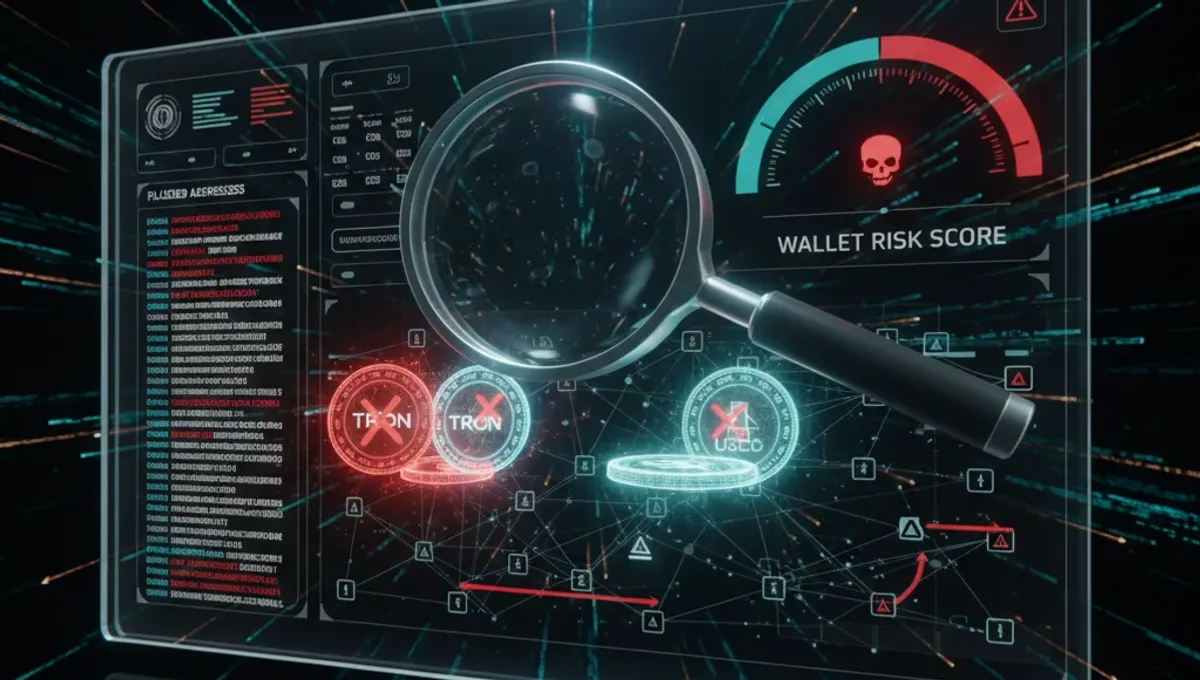
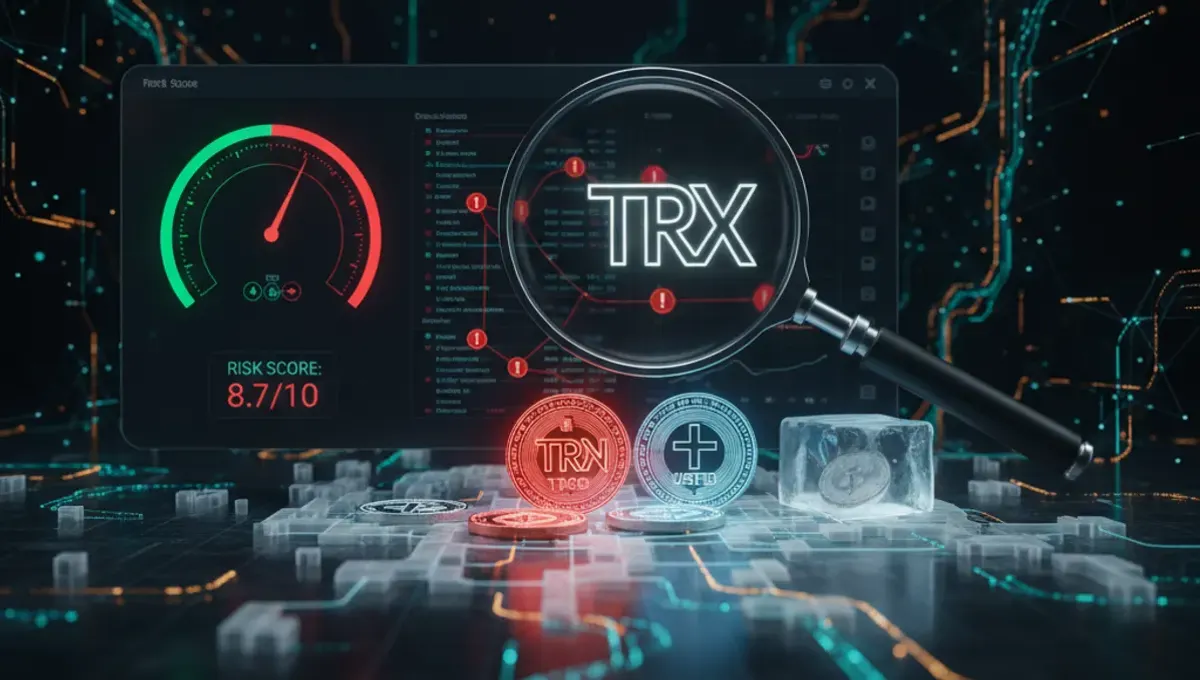
Risk scores quantify the likelihood that a transaction or wallet involves illicit activity. Scoring models assign points based on multiple factors: wallet age, transaction history, connection to known darknet markets, presence on sanctions lists, and behavioral anomalies. A wallet that receives funds from a mixer scores higher than one with a clean provenance. Cryptocurrency transaction monitoring systems aggregate these signals into a single score, typically on a scale of 0–100 or low/medium/high. Acceptable thresholds vary by institution and jurisdiction; some accept scores up to 30, others enforce stricter limits. During interviews, be ready to explain how you'd interpret a score of 65 (elevated risk, likely requires manual review) versus 15 (low risk, routine processing). Risk scores are not deterministic—they inform human judgment rather than replace it. Compliance teams use scores to prioritize investigations and allocate resources efficiently.
What Are Common Red Flags in Blockchain Transaction Monitoring?
Red flags are behavioral or structural indicators that suggest illicit activity. Common patterns include: rapid movement of funds through multiple wallets (chain hopping), transfers to known mixer addresses, round-dollar amounts sent at regular intervals, transactions originating from darknet marketplaces, and funds linked to stolen cryptocurrency or scams. Sanctions exposure is a critical flag—any transaction touching a wallet on OFAC or EU sanctions lists triggers immediate escalation. Gambling platforms and high-risk jurisdictions also raise suspicion. Unusual timing (late-night transfers, clustering around market volatility) can indicate layering, a money-laundering technique. During interviews, interviewers expect you to distinguish between suspicious activity and legitimate behavior—for example, a large transfer to an exchange for liquidation is normal, but the same transfer to an unknown wallet followed by mixer routing is not. Be specific: explain how you'd investigate a TRC20 USDT transfer flagged for sanctions exposure versus one flagged for mixer involvement.
How Do You Investigate a Flagged Transaction in Crypto AML Monitoring?
Investigation follows a structured process. First, gather transaction metadata: sender and recipient addresses, amount, timestamp, and blockchain. Second, trace the wallet history using blockchain explorers and AML tools—check if either party has prior flags or sanctions connections. Third, assess the transaction context: is it consistent with the customer's profile, stated purpose, and transaction history. Fourth, check both addresses against darknet databases, mixer lists, and sanctions lists. Fifth, calculate or review the risk score and determine if it exceeds your institution's threshold. If the transaction is flagged, document findings and escalate to compliance management. Some institutions require a Suspicious Activity Report (SAR) filing if illicit activity is suspected. During interviews, walk through a hypothetical: a customer receives 50 USDT to a new wallet, then immediately sends it to a mixer. Explain your steps: check the sender's history, confirm mixer routing, assess customer profile, and recommend blocking or escalation. Show you understand the difference between investigation and judgment—you gather evidence, but compliance officers make the final call.
What Blockchain Transaction Monitoring Rules Should You Know?
Key regulatory frameworks include FinCEN guidance on virtual asset service providers (VASPs), FATF Travel Rule requirements, and regional AML/CFT directives. The Travel Rule mandates that VASPs collect and share originator and beneficiary information for transactions over a certain threshold (typically USD 3,000). Blockchain transaction monitoring rules require institutions to maintain audit trails, document investigation decisions, and file SARs within specified timeframes. Know your jurisdiction: US institutions follow FinCEN rules, EU entities follow the Fifth and Sixth AML Directives, and some countries have stricter local requirements. Cryptocurrency transaction monitoring must cover all asset types—Bitcoin, Ethereum, USDT, TRX—with consistent standards. During interviews, mention that rules evolve; regulatory bodies regularly update guidance on staking, DeFi, and cross-chain bridges. Demonstrate awareness of compliance costs and operational burden: monitoring at scale requires technology investment and skilled staff. Reference official sources like FinCEN or your regional regulator rather than inventing compliance thresholds.
What Should You Do If Your Wallet Is Flagged as High-Risk?
If your wallet receives a high-risk score or is flagged during monitoring, take these steps. First, request clarification from the institution or exchange holding your funds—ask which specific factors triggered the flag (sanctions exposure, mixer involvement, stolen funds, etc.). Second, gather evidence of legitimate activity: transaction receipts, business documentation, or proof of funds origin. Third, respond promptly to any compliance inquiry; delays increase the risk of account freeze or fund seizure. Fourth, if the flag is incorrect, provide documentation to dispute it—for example, if your wallet was mistakenly linked to a sanctions entity, submit evidence of your identity and transaction purpose. Fifth, consider using a compliant service to screen your wallet before receiving or sending funds; many institutions offer free or low-cost AML checks. If funds are frozen, escalate to the institution's compliance officer or legal team. During interviews, show empathy for customers in this situation while maintaining compliance rigor—explain that false positives happen, but institutions must err on the side of caution to avoid regulatory penalties.
How Do Exchanges Freeze USDT and Cryptocurrency Accounts?
Exchanges freeze accounts when transaction monitoring detects high-risk activity or regulatory pressure demands it. Triggers include: receipt of funds from sanctions-listed entities, confirmed stolen cryptocurrency, mixer routing, or a SAR filed by the institution. Once flagged, compliance teams review the account and may impose a temporary hold pending investigation. If illicit activity is confirmed, the exchange may permanently freeze the account and report to authorities. USDT freezes are particularly visible because USDT is issued on multiple blockchains (Ethereum, Tron, Polygon); if a USDT wallet is flagged on one chain, the issuer (Tether) can freeze the token itself, rendering it unusable. This is distinct from a blockchain transaction—the freeze happens at the issuer level. Account bans follow if the customer is deemed high-risk or non-compliant. During interviews, explain the distinction between transaction monitoring (detecting risk) and enforcement (freezing or banning). Show you understand the business impact: false positives damage customer trust, but missed risks trigger regulatory fines and reputational harm. Mention that institutions maintain appeal processes to allow customers to dispute freezes.
Frequently asked questions
What is the difference between transaction monitoring and sanctions screening?
Transaction monitoring detects suspicious patterns and illicit activity in real time by analyzing wallet behavior, transaction history, and risk factors. Sanctions screening checks whether a wallet or entity appears on government sanctions lists (OFAC, EU, UN). Both are required in AML compliance, but they serve different purposes: monitoring catches behavioral red flags, while screening prevents transactions with prohibited parties.
How do you explain a high risk score in an AML interview?
Explain that risk scores aggregate multiple factors: wallet age, transaction frequency, connections to mixers or darknet markets, and sanctions exposure. A high score doesn't prove guilt—it flags the need for investigation. Walk through an example: a wallet with a 75 score might have mixer routing and recent darknet connection, warranting manual review. Show you understand scores inform judgment, not replace it.
What should you do if a customer's USDT is frozen due to AML monitoring?
First, clarify the reason for the freeze with compliance. Second, gather evidence of legitimate activity and transaction origin. Third, respond quickly to any inquiry from the exchange. Fourth, if the freeze is in error, submit documentation to dispute it. Fifth, consider using a trusted AML screening service to verify your wallet status before future transactions. Freezes are typically temporary pending investigation.
What are mixer addresses and why do they trigger AML alerts?
Mixers (or tumblers) are services that combine and redistribute cryptocurrency to obscure transaction trails. They're commonly used to launder stolen funds or hide illicit activity. AML transaction monitoring rules flag mixer routing as high-risk because it suggests intent to hide the source or destination of funds. Any transaction routing through a known mixer address receives elevated scrutiny and often triggers manual review or escalation.
How do you stay current with AML transaction monitoring rules?
Follow official guidance from FinCEN, FATF, and your regional regulator. Subscribe to compliance newsletters and attend industry training. Understand that rules evolve—recent updates cover DeFi, staking, and cross-chain bridges. During interviews, mention specific recent changes and how they affect your institution's monitoring strategy. Show you're proactive about compliance, not reactive.