What Are AML Transaction Monitoring Rules?
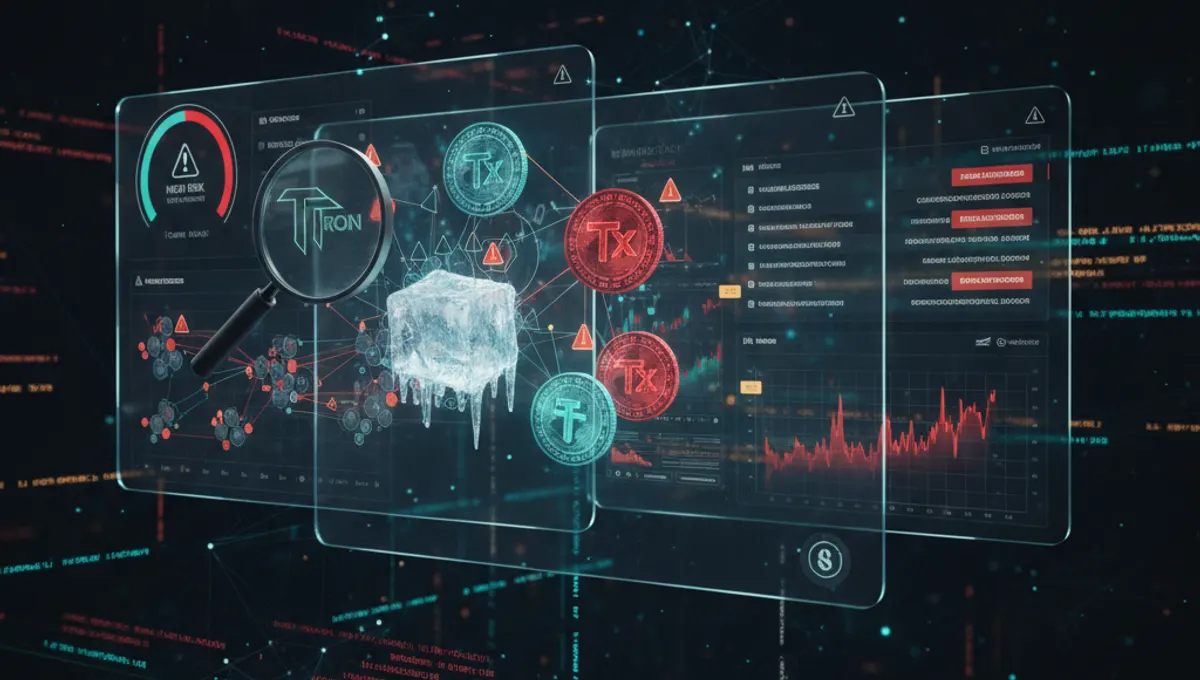
AML transaction monitoring rules are sets of criteria that exchanges, custodians, and blockchain analytics platforms apply to incoming and outgoing transactions. They combine threshold-based triggers (e.g., transactions over a certain amount) with behavioral analysis (e.g., unusual velocity or destination patterns). Rules are designed to catch money laundering, sanctions evasion, terrorist financing, and theft. Exchanges implement these rules to meet Know Your Customer (KYC) and Know Your Transaction (KYT) obligations under regulations like the Financial Action Task Force (FATF) guidance and local anti-money laundering statutes. A transaction may be flagged for review, delayed, or blocked depending on the risk score it receives and the institution's internal policy.
How Do Crypto Transaction Monitoring Rules Work?
Crypto transaction monitoring operates in real-time or near-real-time by scanning blockchain data and exchange activity logs. When a transaction occurs, the system checks it against multiple rule categories:
- Transaction amount—large or unusual transfers trigger review;
- Destination address—known mixers, darknet markets, or sanctioned wallets are flagged;
- Velocity—rapid sequences of transfers suggest layering;
- Counterparty risk—transfers to or from high-risk jurisdictions or entities;
- Source of funds—whether the sending wallet has prior exposure to theft, scams, or illicit activity. Blockchain transaction monitoring uses public ledger data to trace fund origins, while exchange-based monitoring combines on-chain analysis with customer account history. If a transaction scores above the institution's risk threshold, it may be held for manual review, require additional documentation, or be rejected outright.
Common AML Transaction Monitoring Rule Categories
Institutions typically organize monitoring rules into functional categories. Threshold rules flag transactions exceeding a set amount (e.g., USD 10,000 equivalent). Behavioral rules detect unusual patterns—sudden spikes in volume, transfers to new addresses, or rapid round-trip movements. Counterparty rules screen destination addresses against sanctions lists (OFAC, UN, EU), known mixer services, and darknet market wallets. Velocity rules track the frequency and timing of transfers; multiple transactions in minutes may indicate automated layering. Geographic rules apply stricter scrutiny to high-risk jurisdictions. Entity rules check whether the sending or receiving party is a known scam operator, stolen-fund address, or compromised exchange. Cryptocurrency transaction monitoring rules also include chain-specific logic—for instance, USDT TRC20 transfers may have different thresholds than Ethereum-based USDT due to different regulatory environments.
What Risk Score Levels Mean and How They Trigger Action
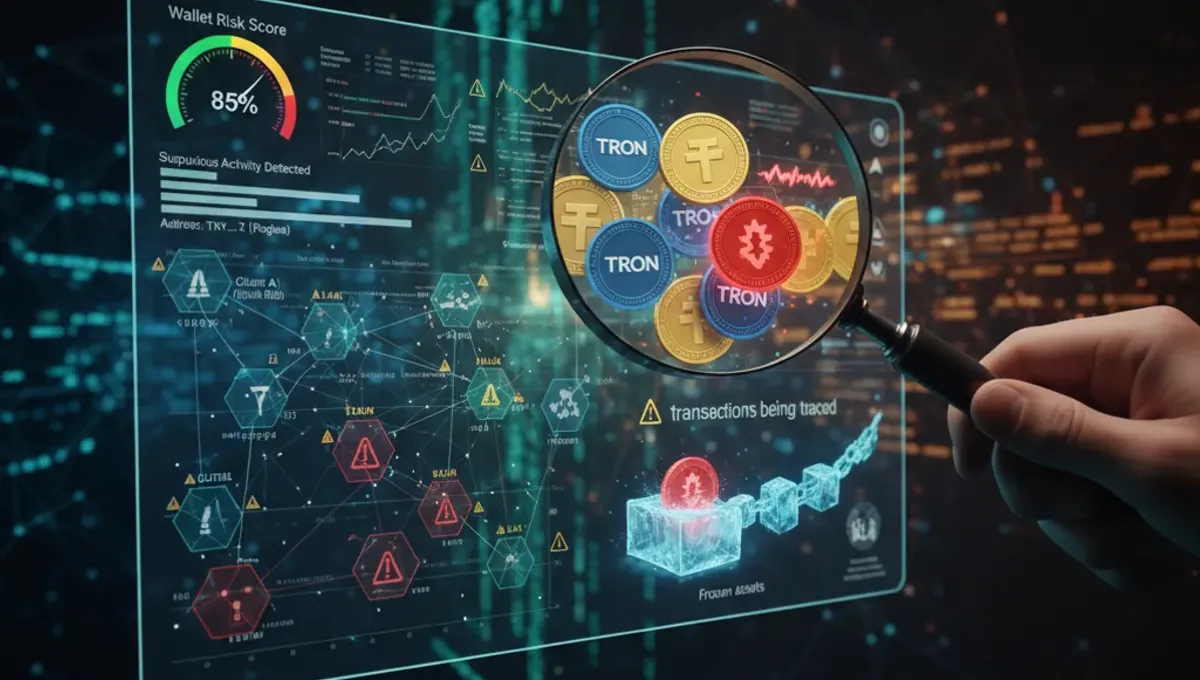
Risk scores typically range from 0 (low risk) to 100 (high risk), though some systems use qualitative labels like low, medium, high, and critical. A score below 20 usually allows the transaction to proceed without delay. Scores between 20 and 50 may trigger a manual review or require additional customer documentation. Scores above 50 often result in transaction delays or holds pending investigation. Scores above 75 frequently lead to account restrictions, fund freezes, or outright rejection. The scoring model combines multiple factors: if a Tron address has prior exposure to a mixer, the destination is a sanctioned entity, and the transaction amount is unusually large, the cumulative score rises. Exchanges publish their risk thresholds in compliance policies; some are transparent, others are opaque. Understanding your institution's specific thresholds helps you anticipate whether a transaction will be flagged. A transaction flagged as high-risk does not necessarily mean the funds are stolen—it means the pattern warrants investigation.
How to Check a Wallet Before Receiving USDT or TRX
Before accepting a large transfer of USDT (TRC20 or ERC20) or TRX, run an AML check on the sending wallet. Steps:
- Obtain the sender's wallet address;
- Use a reputable blockchain analytics or AML screening service to scan the address for prior exposure to mixers, darknet markets, theft, or sanctions;
- Review the risk score and any flagged transactions in the wallet's history;
- Check the transaction amount against your exchange's known thresholds;
- If the score is above your comfort level or your exchange's policy, request clarification from the sender or decline the transfer. Services listed on our curated AML Services page provide transparent risk scoring and detailed transaction histories. A wallet with a clean history and low risk score (typically under 20) is safe to receive funds from. High-risk wallets may result in your receiving account being flagged or frozen by your exchange, even if you are not the original source of the illicit activity.
What Happens When a Transaction Is Flagged as High-Risk?
When a transaction is flagged as high-risk, several outcomes are possible depending on the institution and jurisdiction. The exchange may place a temporary hold (24–72 hours) while compliance staff review the transaction and customer account. The customer may be asked to provide proof of funds origin, tax documentation, or a statement explaining the transaction. If the review clears the transaction, it proceeds; if not, the exchange may freeze the account, reject the transaction, or file a Suspicious Activity Report (SAR) with financial regulators. In some cases, the exchange may permanently ban the customer. Frozen USDT or other assets can remain locked for weeks or months during investigation. If the funds are determined to be proceeds of crime or linked to sanctions, they may be seized. To minimize this risk, maintain clear records of your fund sources, avoid wallets with known illicit exposure, and use exchanges that employ transparent AML transaction monitoring rules. If your transaction is flagged, respond promptly to compliance inquiries with documentation.
Acceptable Risk Score Thresholds and Best Practices
Most exchanges consider a risk score below 20 acceptable for routine transactions. Scores between 20 and 40 warrant caution but are often approved after basic review. Scores above 40 frequently trigger holds or additional scrutiny. Best practices:
- Before sending or receiving large amounts, check both wallets through a trusted AML service;
- Maintain a clean transaction history—avoid mixing with high-risk wallets;
- Use exchanges that publish their monitoring rules and thresholds;
- Keep documentation of all fund sources and transaction purposes;
- Avoid wallets flagged for mixer exposure, darknet activity, or theft;
- Be aware that even a single transaction with a high-risk counterparty can elevate your account's overall score. If you are a business or frequent trader, work with your exchange's compliance team to understand your specific risk profile and thresholds. Proactive screening before transactions occur is far more efficient than dealing with frozen funds after the fact.
Frequently asked questions
What is the difference between AML transaction monitoring and KYC?
KYC (Know Your Customer) verifies the identity of account holders at onboarding. AML transaction monitoring continuously screens transactions and activity patterns after the account is open. KYC is a one-time check; monitoring is ongoing. Together, they form a comprehensive compliance program to prevent money laundering and sanctions evasion.
Can a low-risk wallet suddenly become high-risk?
Yes. If a previously clean wallet receives funds from a sanctioned entity, mixer, or theft victim, its risk score can spike retroactively. Exchanges may flag all subsequent transactions from that wallet. This is why continuous monitoring matters—a wallet's risk profile is not static and can change based on new transaction data.
What should I do if my transaction is frozen due to AML rules?
Contact your exchange's compliance team immediately. Provide documentation of fund sources, your identity, and the transaction purpose. Respond to all requests promptly. Delays in responding often extend the freeze. If you believe the flag is an error, escalate to a supervisor. Frozen funds can take weeks to release, so early communication is critical.
Do all exchanges use the same AML transaction monitoring rules?
No. Each exchange sets its own thresholds, rule priorities, and risk tolerance within regulatory constraints. Some are stricter than others. Larger exchanges often have more sophisticated monitoring; smaller ones may use third-party services. Check your exchange's compliance policy to understand its specific rules and thresholds.
How can I verify a wallet's AML status before sending crypto?
Use a reputable blockchain analytics or AML screening service to scan the receiving wallet's address. Services on our curated AML Services page provide risk scores and transaction history. A score below 20 and no flags for mixers, darknet, or theft typically indicate a safe destination. Always verify before large transfers.