What Are Crypto Transaction Monitoring Rules?
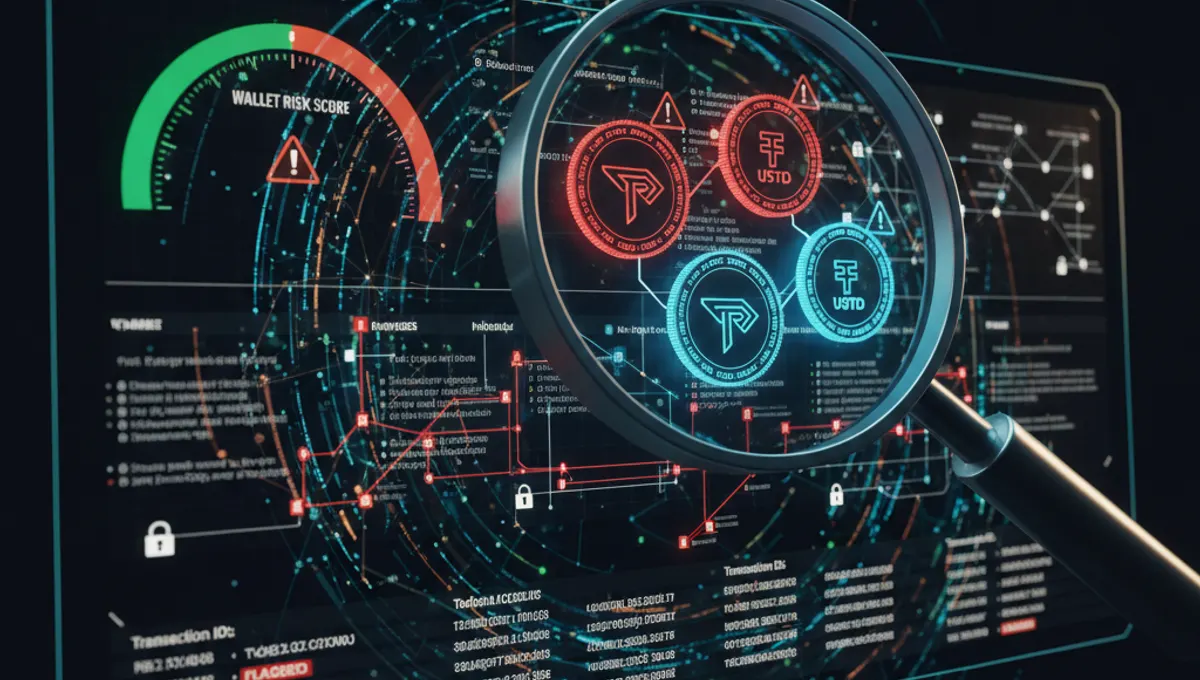
Crypto transaction monitoring rules are compliance frameworks that require regulated entities to observe and analyze blockchain transactions in real time. They mandate screening against sanctions lists, detecting high-risk wallet patterns, and flagging transactions linked to darknet markets, mixers, stolen funds, or scams. These rules exist because crypto's pseudonymous nature makes it attractive for money laundering and terrorist financing. Regulators in the US, EU, and other jurisdictions require exchanges and custodians to implement Know Your Transaction (KYT) systems. The rules specify thresholds for transaction size, velocity, and destination risk that trigger mandatory reporting or fund freezes. Compliance teams use crypto transaction monitoring tools to automate this process, scanning blockchain addresses against threat databases and assigning risk scores to wallets and transactions.
How Do AML Risk Scoring and Transaction Monitoring Work Together?
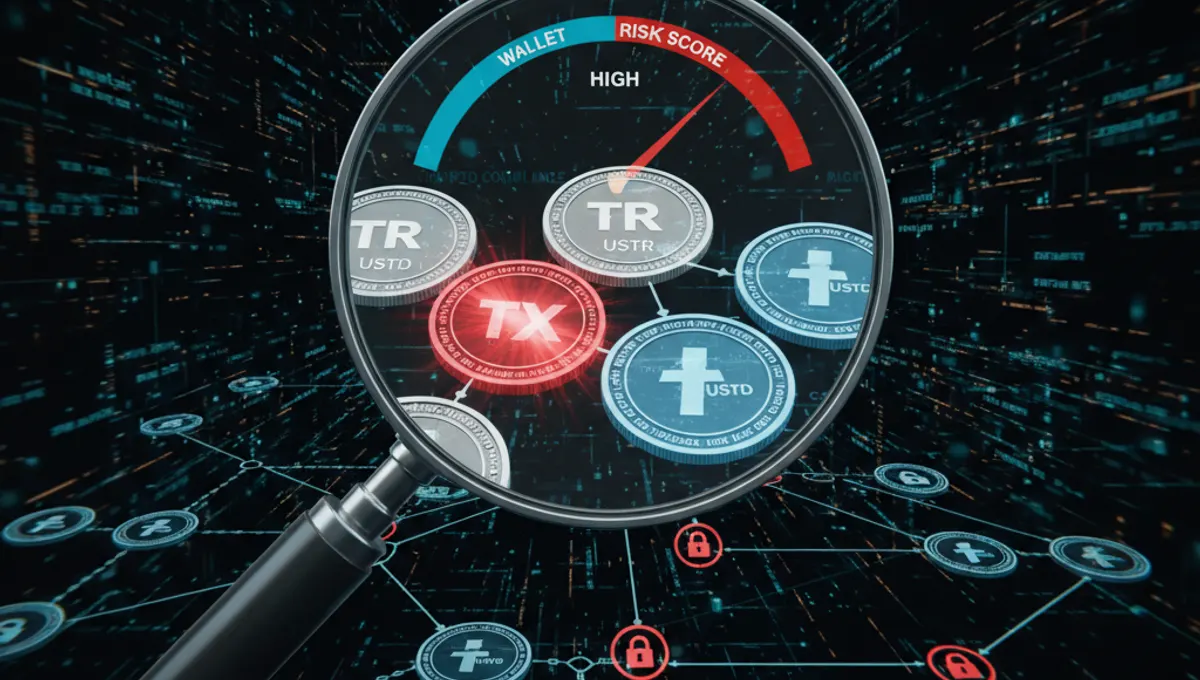
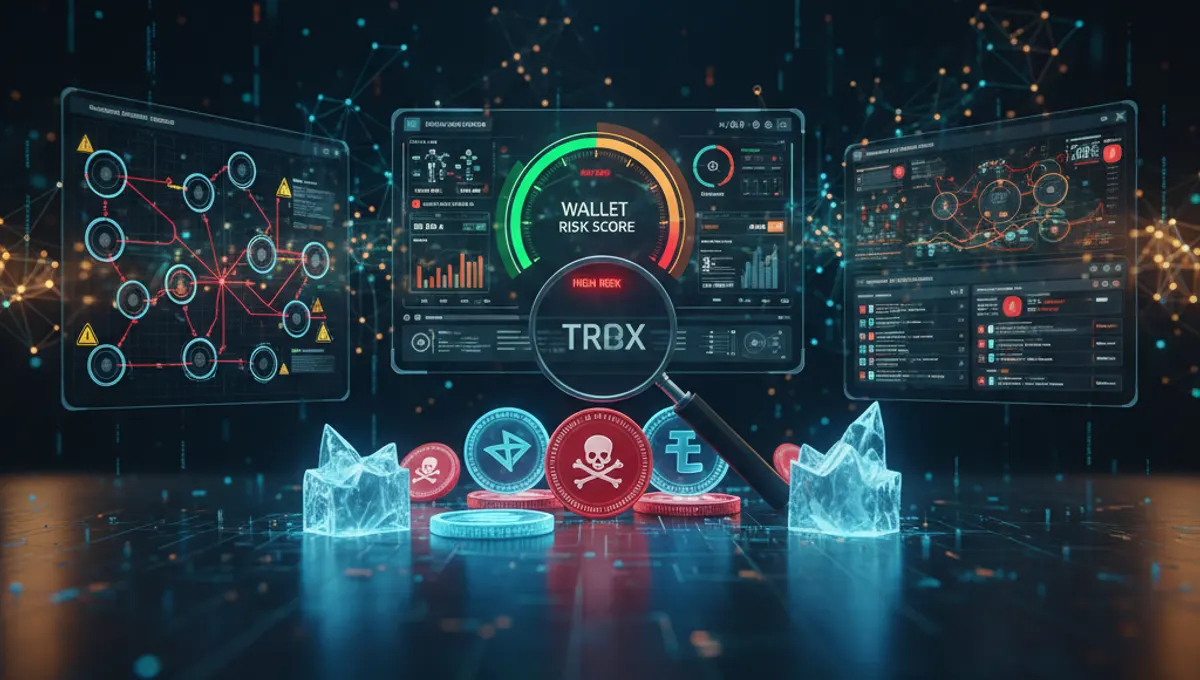
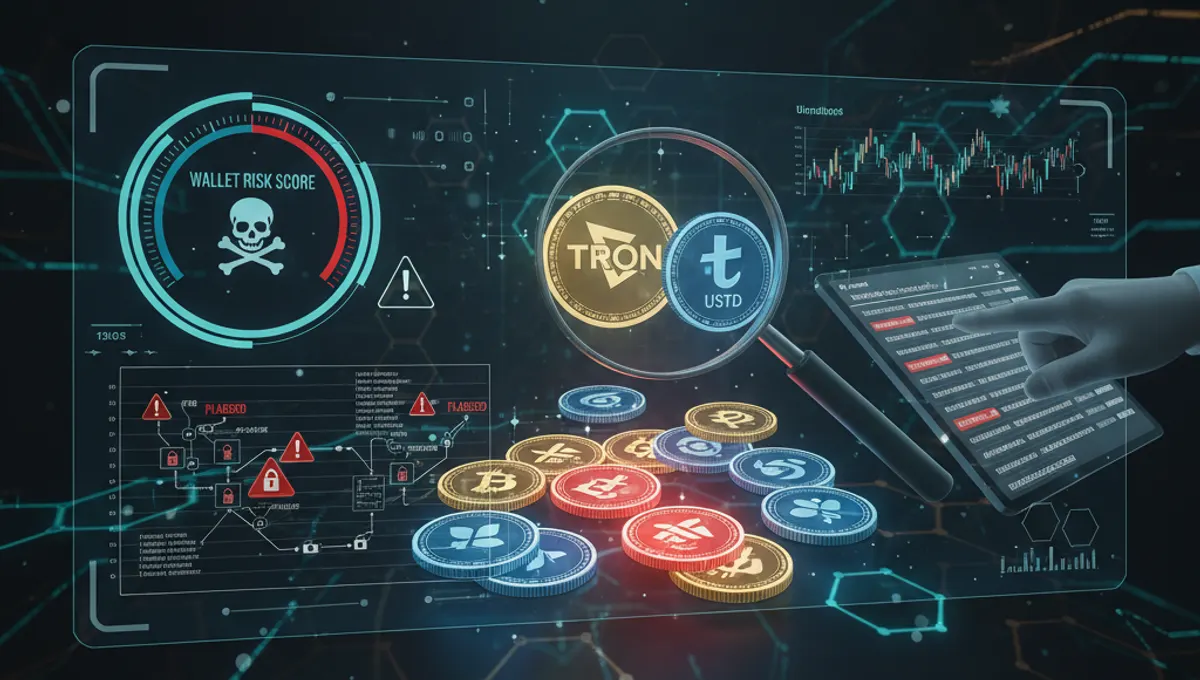
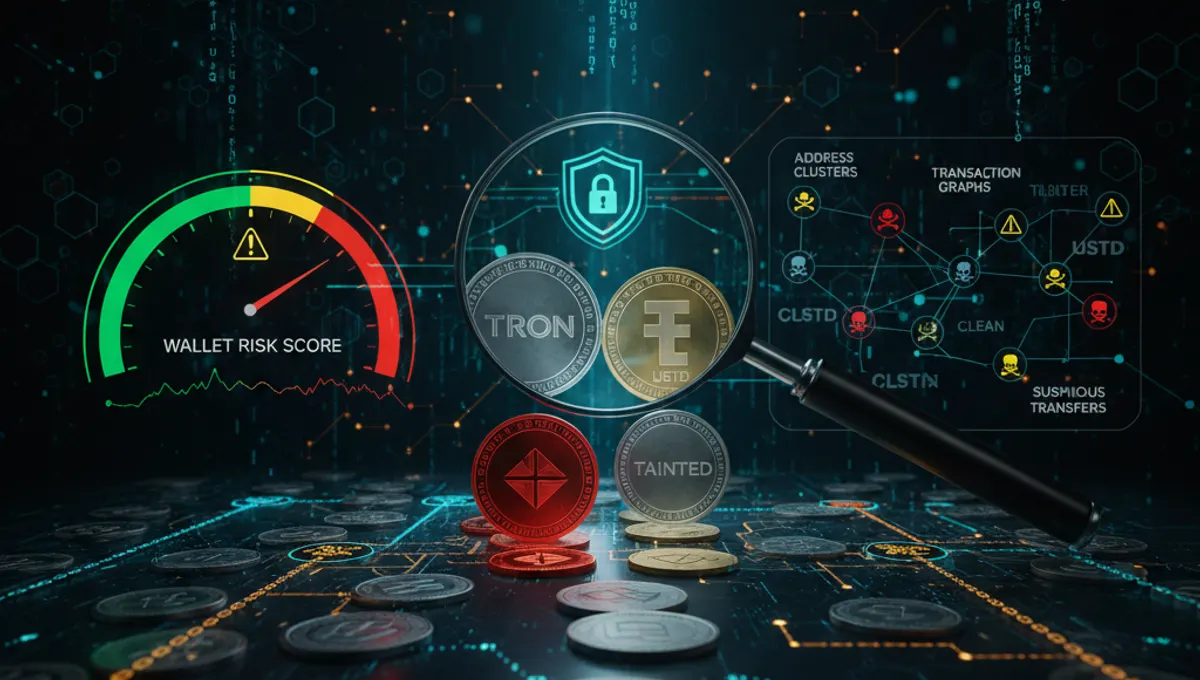
AML risk scoring assigns a numerical rating to a wallet or transaction based on behavioral and historical factors. Crypto transaction monitoring rules require institutions to calculate this score before accepting deposits or processing withdrawals. The scoring model examines: transaction history (frequency, size, patterns), wallet age, connection to known risky entities, and exposure to high-risk jurisdictions. A wallet that has received funds from a mixer or darknet market receives a higher risk score. Transactions above certain thresholds automatically trigger enhanced due diligence. If a score exceeds the institution's acceptable threshold, the transaction is delayed, the account is flagged for manual review, or funds are frozen pending investigation. This process is continuous—monitoring doesn't stop after the initial deposit. Ongoing transaction monitoring ensures that even established accounts are re-evaluated if their behavior changes or new risk factors emerge.
What Risk Categories Trigger Transaction Monitoring Alerts?
Crypto transaction monitoring rules flag transactions linked to specific high-risk categories. Mixers and tumblers—services that obscure transaction origins—are red flags because they indicate intent to hide fund sources. Darknet market addresses trigger immediate alerts; any transaction touching these addresses is considered tainted. Stolen funds are monitored through blockchain analysis; if a wallet receives coins from a known theft, it inherits that risk. Sanctioned entities and individuals are screened against official sanctions lists maintained by governments. Gambling platforms, especially unregulated ones, are monitored in some jurisdictions due to money laundering concerns. Scam addresses—wallets associated with Ponzi schemes, rug pulls, or fraud—are tracked and flagged. Ransomware payment addresses are also monitored. A single transaction touching any of these categories can cause the entire wallet to be flagged, even if other transactions are legitimate. This is why receiving even a small amount from a compromised source can freeze your account.
How to Check a Wallet Before Receiving USDT or TRX
Before accepting a large deposit of USDT (TRC20), TRX, BTC, or ETH, screen the sending wallet to avoid receiving tainted coins. Step 1: Obtain the full wallet address from the sender. Step 2: Visit a trusted AML screening service—our curated AML Services directory lists verified providers that offer free and paid wallet checks. Step 3: Enter the address and run a scan. The service will return a risk score and flag any connections to mixers, darknet markets, or stolen funds. Step 4: Review the risk report. A low or green score means the wallet is clean. A medium score warrants caution; contact the sender to verify the source. A high or red score indicates the wallet is tainted—do not accept the transfer. Step 5: If the score is acceptable, you can proceed. Document the check for your records. This process takes minutes and prevents you from inheriting risk that could freeze your exchange account or trigger regulatory scrutiny. Many exchanges now require this screening before large deposits are credited.
What Do Risk Score Levels Mean?
Risk scores typically range from 0 to 100 or are color-coded (green, yellow, red). A score of 0–20 (green) indicates a clean wallet with no known risk factors. These wallets have minimal transaction history with risky entities and are safe to receive funds from. A score of 21–50 (yellow) suggests moderate risk—the wallet may have touched a mixer or received funds from a lower-risk source, but no direct darknet or theft connection is detected. Caution is warranted; verify the sender's identity. A score of 51–100 (red) indicates high risk—the wallet has direct exposure to darknet markets, stolen funds, mixers, or sanctioned entities. Most exchanges will freeze or reject deposits from these wallets. Acceptable thresholds vary by institution; some accept up to 30, others up to 50. Your exchange's compliance policy determines the cutoff. If your wallet receives a high score, it doesn't mean you committed a crime, but it does mean your account may be restricted pending investigation. Remediation is possible if you can prove the funds came from a legitimate source.
What Happens When Crypto Transactions Are Flagged as Dirty?
When a transaction or wallet is flagged as tainted, several outcomes are possible depending on the institution and jurisdiction. Immediate freeze: The exchange locks your account and holds funds pending investigation. This can last days to months. Mandatory reporting: The institution files a Suspicious Activity Report (SAR) with regulators. You are not notified of the report, but it creates a compliance record. Enhanced due diligence: Your account is escalated to a compliance analyst who reviews your transaction history, source of funds, and identity. You may be asked to provide documentation proving the funds are legitimate. Account closure: If the institution cannot verify the source or determines the risk is unacceptable, they may close your account and return funds to the sending address. Permanent ban: Some exchanges ban users whose wallets are linked to darknet or theft, even if the user is innocent. Regulatory investigation: In severe cases, authorities may investigate you. If you can prove the funds came from a legitimate source (employment, sale of assets, inheritance), you can appeal the freeze. Provide bank statements, invoices, or other documentation. However, the burden of proof is on you, and the process is slow. Prevention is far easier than remediation.
How to Avoid Receiving Tainted Coins and Protect Your Account
Protecting yourself from tainted crypto requires vigilance at every transaction. First, screen all incoming wallets before accepting large transfers using the trusted services listed in our AML Services directory. Request the sender's wallet address in advance and run a check before they send funds. Second, maintain clean transaction history yourself—avoid sending to or receiving from mixers, gambling sites, or unverified sources. Third, use reputable exchanges and custodians that implement strong crypto transaction monitoring rules; they protect you by blocking risky transactions before they reach your account. Fourth, document your fund sources. If you receive crypto from employment, freelance work, or asset sales, keep records (contracts, invoices, bank statements) proving legitimacy. Fifth, avoid round-trip transactions—sending crypto to an exchange, mixing it, and sending it back to yourself looks suspicious and triggers monitoring alerts. Sixth, be cautious of unsolicited transfers; if someone sends you crypto unexpectedly, verify the source before touching it. Seventh, use dedicated wallets for different purposes (trading, savings, receiving payments) to compartmentalize risk. If one wallet is flagged, others remain clean. These practices reduce the likelihood of account freezes and regulatory scrutiny.
Frequently asked questions
What is the difference between crypto transaction monitoring and AML checks?
Crypto transaction monitoring is the ongoing process of observing all transactions in real time to detect suspicious activity. AML checks are point-in-time screenings of a wallet or transaction against risk databases. Monitoring is continuous; AML checks are event-triggered. Both are required by crypto transaction monitoring rules to prevent money laundering.
Can I dispute a frozen account if my wallet was flagged as dirty?
Yes, you can appeal. Contact the exchange's compliance team and provide documentation proving your funds are legitimate (bank statements, invoices, employment contracts). The process is slow and not guaranteed to succeed, but transparency and evidence improve your chances. Avoid further risky transactions while appealing.
What crypto transaction fees are charged for AML screening?
Most exchanges include AML screening in their standard fees and do not charge separately for monitoring. Some third-party AML screening services charge per scan (typically $1–10 for basic checks, more for detailed reports). Our AML Services directory lists both free and paid options with transparent pricing.
How long does a crypto transaction monitoring alert take to resolve?
Automated alerts are processed in seconds to minutes. Manual review by compliance analysts takes hours to days. Account freezes pending investigation can last weeks or months. The timeline depends on the complexity of the case and the institution's workload. Providing documentation quickly can accelerate resolution.
Does receiving tainted crypto make me liable for money laundering?
Receiving tainted crypto unknowingly does not make you criminally liable in most jurisdictions, but it can trigger regulatory investigation and account restrictions. Knowingly receiving stolen or sanctioned funds is illegal. Always screen wallets before accepting transfers and maintain clean transaction history to protect yourself legally and financially.