What Is Crypto Transaction Monitoring and Why It Matters
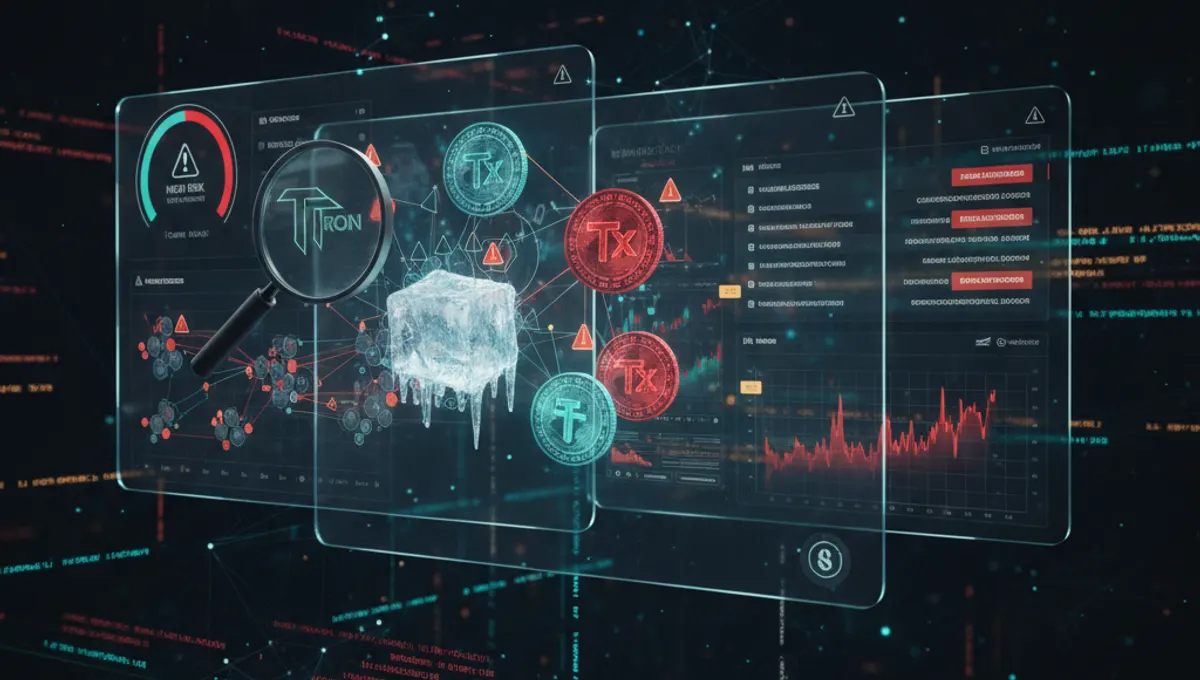
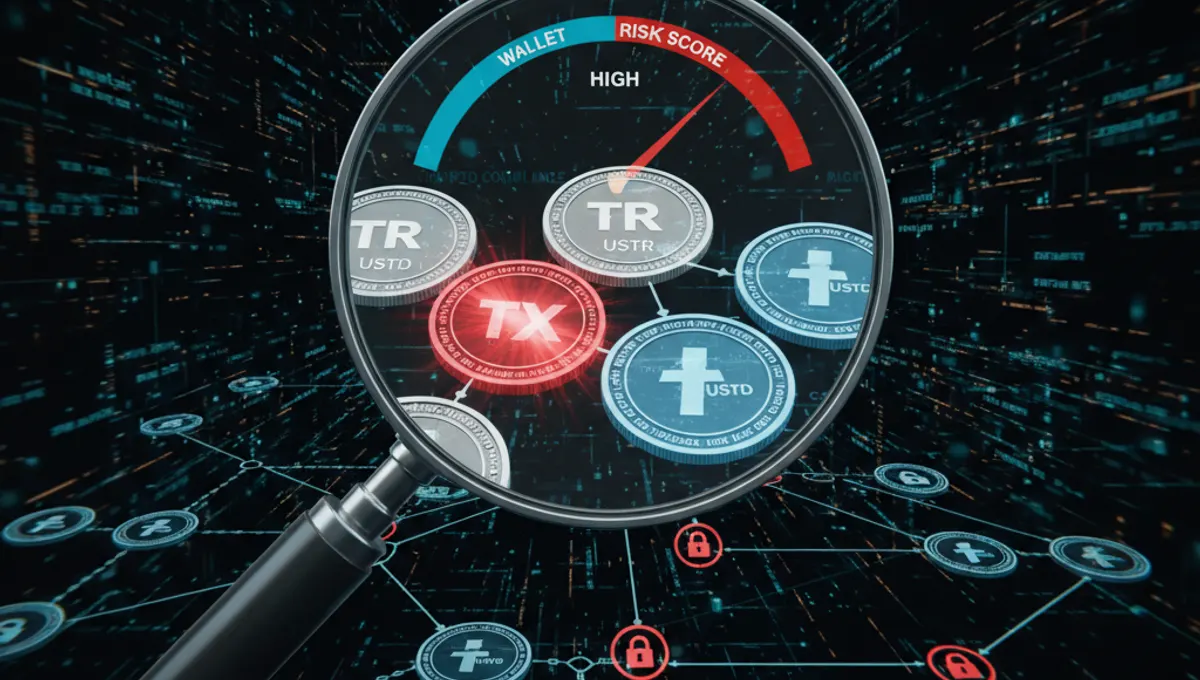
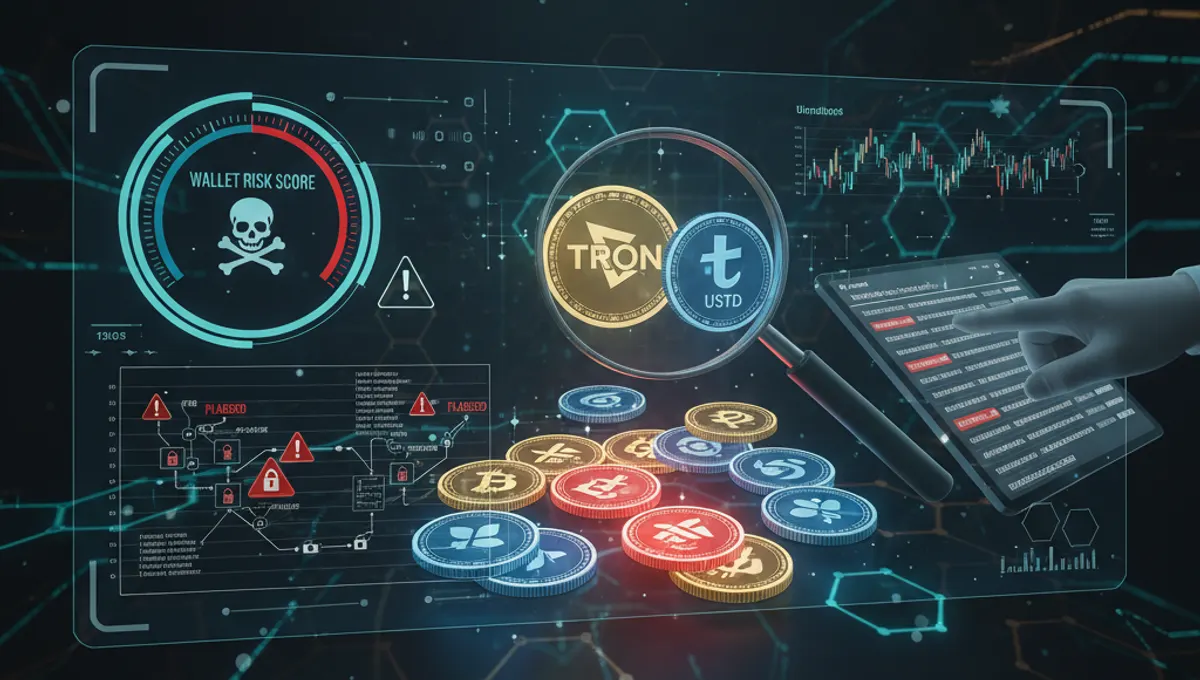
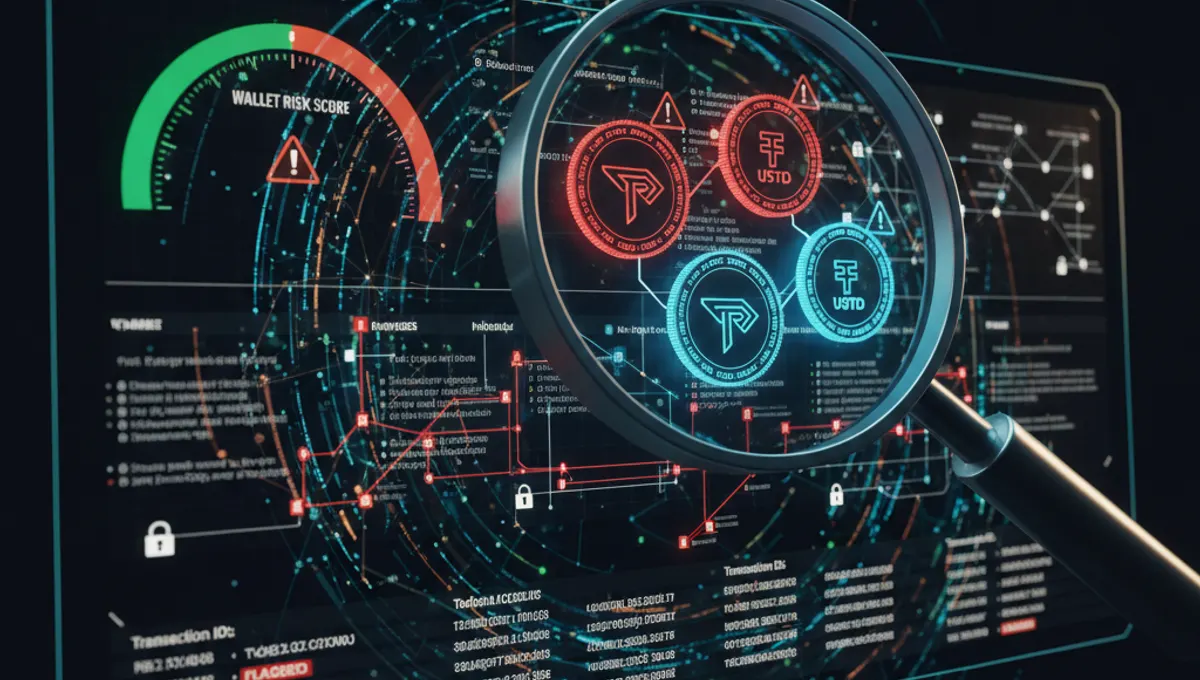
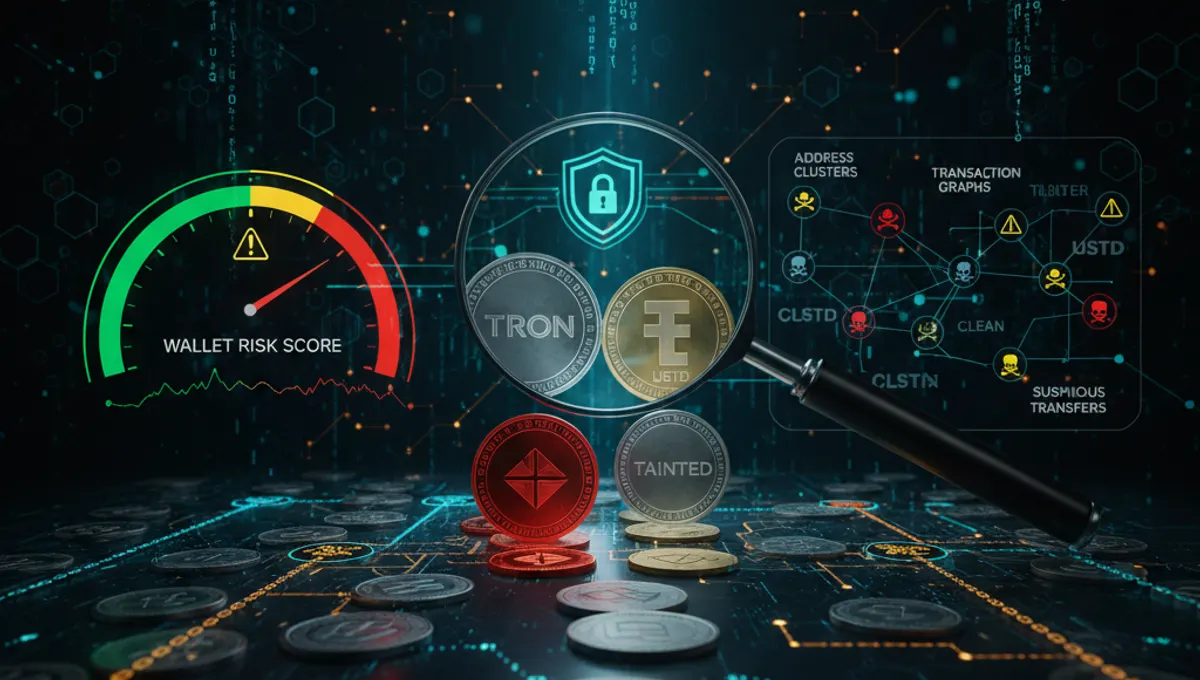
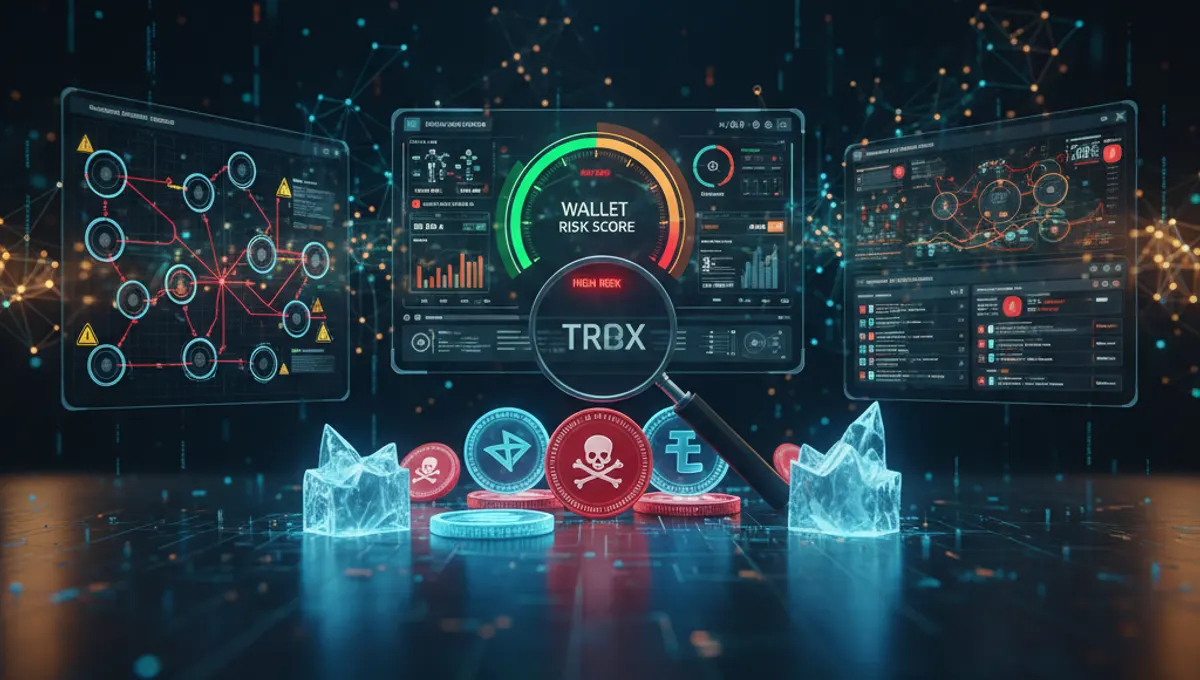
Crypto transaction monitoring scans blockchain activity to identify transfers linked to money laundering, terrorism financing, sanctions violations, and theft. Unlike traditional banking, where transactions are opaque, blockchain transactions are permanent and traceable. Exchanges and custodians monitor incoming and outgoing transfers to comply with FinCEN, OFAC, and local AML regulations. When a wallet receives funds from a mixer, darknet market, or sanctioned entity, monitoring systems flag it with a risk score. High-risk transactions can trigger account freezes, delayed withdrawals, or mandatory reporting to authorities. For users, this means understanding transaction history matters: receiving coins from a compromised source can result in your account being locked, even if you didn't know the coins were tainted. Monitoring protects both institutions and users by preventing dirty crypto from entering regulated markets.
How Crypto Transaction Monitoring Rules Work
Crypto transaction monitoring rules are sets of automated checks applied to every transfer. Common rules include:
- Sanctions list matching: Compare wallet addresses against OFAC SDN (Specially Designated Nationals) lists and other government blacklists.
- Mixer detection: Flag transfers that pass through privacy mixers or coin tumblers.
- Darknet exposure: Identify addresses linked to known darknet markets (Silk Road, AlphaBay, etc.).
- Stolen funds tracking: Cross-reference addresses with theft reports and exchange hack databases.
- Velocity checks: Alert on abnormally large or rapid transfers from a single address.
- Scam and fraud databases: Match against known Ponzi schemes, rug pulls, and phishing wallets.
- High-risk jurisdictions: Flag transfers from countries under sanctions or with weak AML enforcement.
When a transaction triggers multiple rules, the monitoring system assigns a risk score (typically 0–100, where higher is riskier). Exchanges set thresholds: a score above 75 might auto-freeze the account; a score of 40–75 might require manual review. These rules run continuously and update as new threat intelligence arrives.
Crypto Transaction Monitoring Tools and Platforms
Exchanges and custodians rely on specialized blockchain analytics platforms to monitor transactions. These tools ingest blockchain data, apply machine learning models, and cross-reference external threat feeds. Common capabilities include:
- Real-time transaction screening: Monitor deposits and withdrawals as they occur.
- Address clustering: Link related wallets to identify networks of activity.
- Historical analysis: Trace the full transaction history of a wallet back to its origin.
- Risk scoring: Assign numerical risk levels based on source, destination, and behavior.
- Compliance reporting: Generate audit trails for regulators.
To screen a wallet before receiving USDT, TRX, or BTC, you can use verified AML services listed on our curated AML Services page. These platforms let you check an address's risk score, see its transaction history, and identify red flags before accepting funds. Starting with a trusted service ensures you're using current threat intelligence rather than relying on outdated or incomplete data.
Understanding Risk Scores and Acceptable Thresholds
A risk score quantifies the likelihood that a wallet or transaction is involved in illicit activity. Scores typically range from 0 (clean) to 100 (high risk). Here's how to interpret them:
- 0–20: Very low risk. Standard commercial activity, no known issues.
- 21–40: Low risk. Minor flags (e.g., small mixer exposure) but generally acceptable.
- 41–75: Medium risk. Requires review. May include gambling, privacy tools, or unconfirmed theft reports.
- 76–100: High risk. Strong indicators of illicit activity, sanctions exposure, or stolen funds.
Most exchanges accept deposits with scores below 40 without review. Scores between 40–75 trigger manual investigation. Scores above 75 typically result in automatic rejection or account freeze. Your acceptable threshold depends on your risk appetite and regulatory obligations. If you're a business, stricter thresholds (below 30) reduce compliance liability. If you're receiving personal transfers, a threshold of 50 is often reasonable. Always check a wallet's risk score before accepting large transfers.
How to Check a Wallet Before Receiving Crypto
Before accepting USDT, TRX, BTC, or ETH, follow these steps:
- Obtain the sender's wallet address.
- Visit a verified AML screening service (check our AML Services page for trusted options).
- Paste the address into the search box.
- Review the risk score, transaction history, and any red flags.
- Look for indicators: mixer usage, darknet links, theft reports, sanctions matches, or gambling activity.
- If the score is below your threshold and no major red flags appear, it's safe to receive.
- If the score is high or red flags are present, ask the sender for clarification or decline the transfer.
For TRC20 USDT on Tron, check the address on a Tron-specific AML tool. For Bitcoin, use a Bitcoin-focused platform. The process takes 2–3 minutes and can prevent your account from being frozen or your coins from being flagged as tainted. Document the screening result for your records; if your exchange later questions the transfer, you have proof you performed due diligence.
What Happens When Coins Are Flagged as Dirty or Tainted
If you receive coins flagged as tainted (stolen, from a scam, or linked to sanctions), several outcomes are possible:
- Account freeze: The exchange locks your account pending investigation.
- Withdrawal delay: Your funds are held for 30–90 days while compliance reviews the transaction.
- Forced sale: Some exchanges liquidate flagged coins at market price and return fiat.
- Account closure: Severe cases result in permanent bans and forfeiture.
- Regulatory report: The exchange files a Suspicious Activity Report (SAR) with FinCEN.
You may not be liable if you unknowingly received tainted coins, but proving innocence is difficult. The burden falls on you to demonstrate you didn't know the source was illicit. This is why screening before accepting transfers is critical. If your coins are flagged, contact the exchange's compliance team immediately, provide documentation of the transfer source, and cooperate fully. Honesty and transparency improve your chances of account recovery.
Crypto Transaction Monitoring Jobs and Compliance Careers
Crypto transaction monitoring has created demand for compliance professionals. Common roles include:
- AML Analyst: Reviews flagged transactions, investigates risk scores, and files reports.
- Blockchain Investigator: Traces transaction chains to identify illicit networks.
- Compliance Officer: Oversees monitoring policies and regulatory adherence.
- KYC Specialist: Verifies customer identity and source of funds.
- Risk Analyst: Develops monitoring rules and refines risk models.
These roles require attention to detail, understanding of blockchain technology, and knowledge of AML regulations. Many employers offer training; certifications like CAMS (Certified Anti-Money Laundering Specialist) are valued. Salaries vary by location and experience but are competitive in the fintech sector. If you're interested in compliance careers, start by learning blockchain basics, studying AML frameworks, and exploring entry-level analyst positions at exchanges or compliance vendors.
Frequently asked questions
What is the difference between crypto transaction monitoring and KYC?
KYC (Know Your Customer) verifies who you are when you open an account. Transaction monitoring watches what you do after—screening every transfer for risk. Both are required for AML compliance. KYC happens once; monitoring is continuous.
Can I check my own wallet's risk score?
Yes. Use a verified AML screening service (listed on our AML Services page) and enter your wallet address. You'll see your risk score, transaction history, and any flags. This helps you understand how exchanges will view your account.
What crypto transaction fees do AML checks add?
AML screening itself doesn't add transaction fees. Blockchain fees (gas, network fees) are separate. Some exchanges charge higher fees if your transaction triggers manual review, but this is rare and not standard.
How long does crypto transaction monitoring take?
Real-time monitoring happens instantly as transactions confirm on-chain. Automated risk scoring takes seconds. Manual review of flagged transactions can take hours to days, depending on exchange workload and complexity.
What does it mean if my crypto transaction is pending after 24 hours?
Pending transfers usually indicate the exchange is conducting manual AML review due to a medium or high risk score. Contact support for status. Provide proof of the transfer source. Most reviews complete within 48–72 hours if you cooperate.