What Is a Crypto Transaction: Core Definition
A crypto transaction is a cryptographically signed instruction that moves cryptocurrency from a sender's address to a recipient's address on a blockchain network. Unlike traditional bank transfers, crypto transactions are transparent, immutable, and visible to all network participants. Each transaction contains a sender address, recipient address, amount, timestamp, and a unique transaction ID (hash). Once confirmed by network validators, the transaction becomes part of the permanent blockchain record and cannot be reversed or altered. This transparency is why crypto transactions are traceable—every movement of funds leaves a digital footprint that blockchain analytics tools can follow.
How Crypto Transaction Monitoring Works for Compliance
Crypto transaction monitoring is the process of tracking and analyzing blockchain transfers to identify suspicious patterns, high-risk activity, or compliance violations. Financial institutions and exchanges use monitoring systems to flag transactions involving sanctioned entities, darknet markets, mixers, or stolen funds. These systems compare transaction data against sanctions lists, known scam addresses, and behavioral patterns. Monitoring rules typically trigger alerts when transactions exceed certain thresholds, involve high-risk jurisdictions, or show signs of layering or structuring. Real-time monitoring helps prevent money laundering, terrorist financing, and fraud. Organizations conducting crypto transaction monitoring jobs analyze flagged transactions, investigate source of funds, and determine whether to block or allow transfers based on risk assessment.
Understanding Crypto Transaction Fees and Costs
Crypto transaction fees are payments made to network validators or miners to prioritize and confirm a transaction on the blockchain. Fee amounts vary by network congestion, transaction size, and chosen priority level. Bitcoin and Ethereum transactions typically cost more during peak usage periods. USDT on Tron (TRC20) generally has lower fees than Ethereum-based USDT. Fees are deducted from the sender's wallet and do not go to the recipient. Understanding fee structures is important for compliance teams because unusually high fees or patterns of fee-splitting can indicate attempts to obscure transaction origins. Some compliance platforms factor transaction fee behavior into their risk scoring algorithms.
What Is a Crypto Transaction ID and How to Track It
A crypto transaction ID (also called a transaction hash or txid) is a unique alphanumeric identifier assigned to each blockchain transaction. It serves as a permanent reference to that specific transfer and allows anyone to look up transaction details on a blockchain explorer. Transaction IDs enable tracking of fund movement across addresses, confirming delivery, and investigating the history of received coins. For AML purposes, transaction ID tracking is critical—it allows compliance teams to trace the flow of funds backward to their source and forward to their destination. By following a chain of transaction IDs, analysts can identify whether coins passed through mixers, darknet markets, or sanctioned addresses. This traceability is why stolen or tainted crypto can often be detected and flagged before reaching an exchange.
Crypto Transaction Monitoring Rules and Red Flags
Crypto transaction monitoring rules are automated or manual criteria used to identify high-risk transfers. Common red flags include: transactions to or from known mixer services, darknet market addresses, or sanctioned entity wallets; rapid movement of large amounts through multiple addresses (layering); transactions from wallets associated with scams or theft; transfers to high-risk jurisdictions; and unusual patterns like round-number amounts or timing clusters. Monitoring systems also flag transactions involving USDT TRC20 or other stablecoins sent to suspicious addresses, since stablecoins are often used in fraud schemes. Compliance teams review flagged transactions and assign risk scores based on the severity and type of red flag. Understanding these rules helps wallet holders and businesses avoid accidentally receiving tainted coins that could result in frozen USDT, account bans, or regulatory penalties.
How to Check a Crypto Transaction Before Receiving Funds
Before accepting a cryptocurrency transfer, especially USDT, TRX, or BTC, verify the sender's address and transaction history using blockchain analytics. First, obtain the sender's wallet address and look it up on a reputable AML screening service—our curated list of verified AML services on this site provides trusted options for wallet screening. Check the address risk score, transaction history, and any flags for sanctions exposure, darknet connections, or stolen funds. Review the transaction ID once the transfer is initiated to confirm the amount and sender match what was agreed. Use a blockchain explorer to view the transaction details and confirm it has received sufficient network confirmations. If the address shows a high risk score or red flags, do not accept the transfer. This proactive approach prevents your wallet from being associated with tainted coins, which could lead to exchange account bans or frozen funds.
What Happens When Crypto Transactions Are Flagged as Dirty
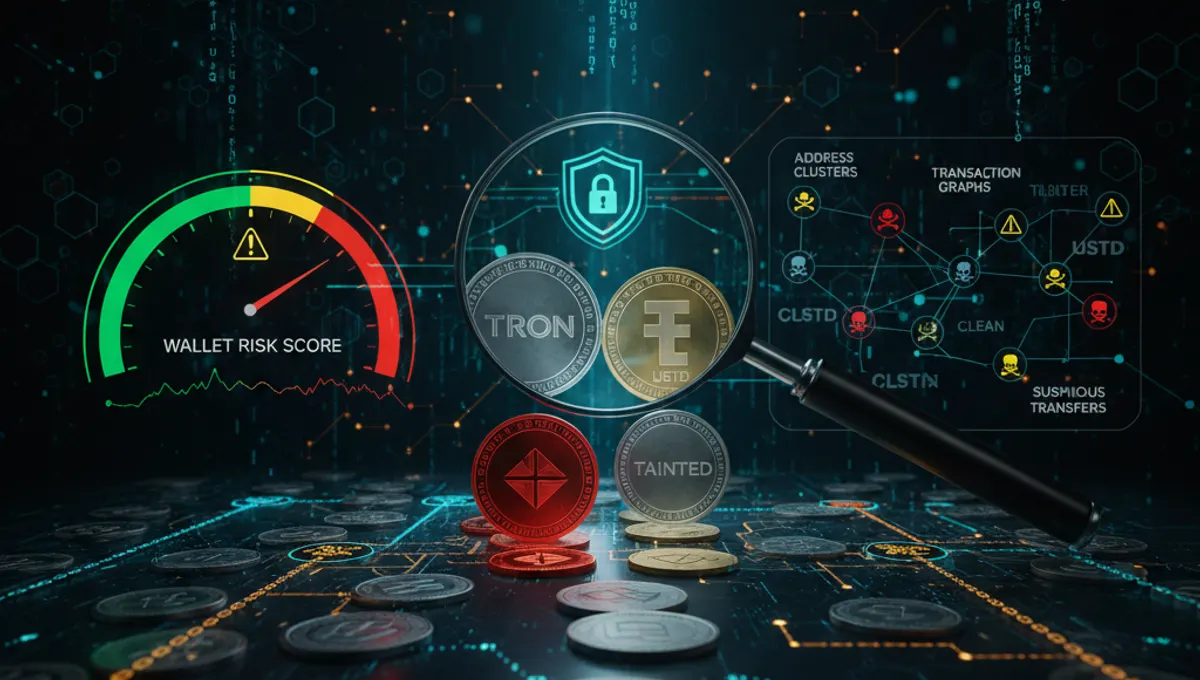
When a crypto transaction or wallet is flagged as containing tainted or dirty coins, several consequences can occur. Exchanges may freeze the account or refuse to process withdrawals involving those coins. Regulatory authorities may investigate the source of funds. The wallet holder may face account restrictions or permanent bans from compliance-conscious platforms. Tainted coins are those with a history of involvement in theft, scams, ransomware, sanctions violations, or darknet activity. Once flagged, these coins become difficult to convert to fiat currency or move through regulated exchanges. The risk score assigned to a transaction reflects the likelihood it involves illicit activity—higher scores indicate greater compliance risk. To avoid this situation, screen incoming addresses before accepting transfers and maintain transaction records for regulatory inquiries. If your coins are flagged, consult the exchange's compliance team or seek guidance from a blockchain forensics service.
Frequently asked questions
How long does a crypto transaction take to confirm?
Confirmation time varies by blockchain. Bitcoin typically takes 10–30 minutes per block; Ethereum 12–15 seconds per block; Tron (TRX) 3 seconds. Network congestion and chosen fee level affect speed. Most exchanges require 3–6 confirmations before crediting funds. Monitoring systems can flag transactions before final confirmation if the sender address shows high risk.
Can crypto transactions be reversed or cancelled?
No. Once a crypto transaction is confirmed on the blockchain, it is permanent and cannot be reversed. However, if a transaction is still pending (unconfirmed), it may be replaced with a higher fee in some cases. This immutability is why verifying recipient addresses and sender legitimacy before sending is critical. Tainted coins cannot be 'cleaned' by reversing transactions.
Why do exchanges freeze USDT or TRX transactions?
Exchanges freeze transactions when the sender or recipient address is flagged for AML risk—sanctions violations, stolen funds, darknet exposure, or mixer involvement. Compliance teams review the transaction and may permanently ban the account if risk cannot be cleared. Frozen USDT or TRX can take weeks to unfreeze and may never be released if the risk is confirmed.
What is a normal risk score for a crypto transaction?
Risk scores typically range from 0–100 or 0–10, depending on the AML service. Scores below 30 are generally considered low risk; 30–70 moderate risk; above 70 high risk. Transactions flagged as high risk may be blocked by exchanges. Before accepting crypto, check the sender's address risk score using verified AML services listed on our AML Services page.
How can I tell if crypto I received is tainted or stolen?
Use a blockchain analytics or AML screening service to check the transaction history of the coins you received. Look for red flags: involvement in darknet markets, theft reports, sanctions violations, or mixer usage. If the coins show high risk scores or clear indicators of illicit origin, do not attempt to move them through exchanges—contact the sender and report the issue to relevant authorities.