What Do Crypto Transaction Monitoring Professionals Do?
Transaction monitoring specialists analyze blockchain activity to identify suspicious patterns, high-risk wallets, and potential compliance violations. Their daily work includes reviewing transaction flows, flagging anomalies, investigating wallet histories, and documenting findings for compliance reports. They use crypto transaction monitoring tools to screen addresses against sanctions lists, darknet exposure databases, and theft registries. The role bridges technical blockchain knowledge and regulatory compliance: professionals must understand how crypto transaction meaning differs across contexts (peer-to-peer transfers, exchange deposits, mixer outputs) and apply crypto transaction monitoring rules specific to their jurisdiction. Most positions require familiarity with AML frameworks, KYC procedures, and the ability to interpret blockchain data without relying on a single vendor's analysis.
Key Skills and Qualifications for Transaction Monitoring Roles
Employers typically seek candidates with compliance backgrounds, blockchain literacy, and analytical rigor. Essential skills include: understanding AML/KYC regulations and sanctions screening; ability to read blockchain explorers and interpret transaction graphs; familiarity with crypto transaction monitoring rules (travel rule, beneficial ownership, transaction velocity); experience with risk scoring frameworks; and attention to detail when documenting investigations. Many roles prefer candidates with prior compliance, financial crime, or audit experience. Technical skills—SQL, data analysis, or basic scripting—are increasingly valued but not always required. Certifications such as CAMS (Certified Anti-Money Laundering Specialist) or CFCS (Certified Fraud and Compliance Specialist) strengthen applications. Soft skills matter: clear written communication for regulatory reports, ability to work under pressure during investigations, and comfort with ambiguity when blockchain data is incomplete or pseudonymous.
How Crypto Transaction Monitoring Tools Shape the Role
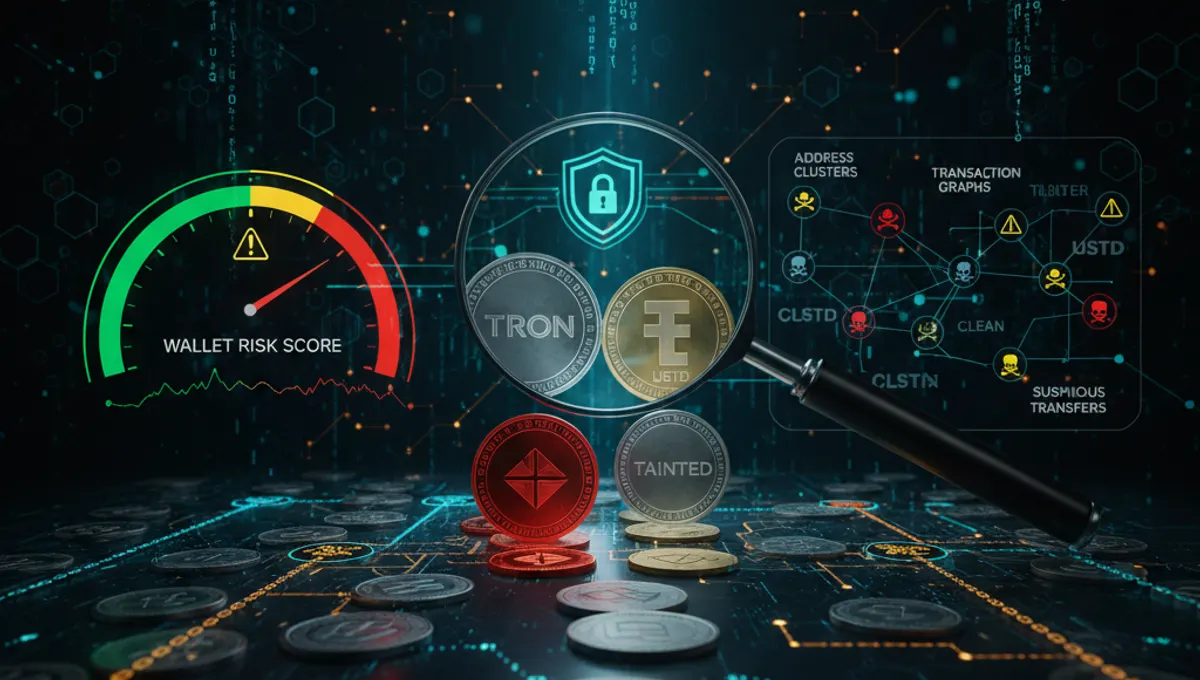
Modern transaction monitoring jobs rely on specialized software that automates initial screening and flags high-risk activity. These crypto transaction monitoring tools integrate blockchain data, sanctions lists, and behavioral analytics to generate risk scores and alerts. Analysts then investigate flagged transactions, determine legitimacy, and decide whether to escalate to compliance officers or regulators. Understanding tool limitations is critical: no single platform catches all illicit activity, and false positives are common. Professionals must balance automation with human judgment, especially when assessing edge cases like legitimate privacy-conscious users versus actual money laundering. Familiarity with multiple platforms—whether proprietary internal systems or third-party solutions—is often expected. The role increasingly involves tuning alert thresholds, reducing noise, and improving detection accuracy over time.
Transaction Monitoring Rules and Regulatory Context
Crypto transaction monitoring rules vary by jurisdiction but generally require financial institutions to detect and report suspicious activity. Key regulations include the travel rule (requiring originator and beneficiary information on transfers above certain thresholds), beneficial ownership verification, and transaction velocity checks. In the US, FinCEN guidance mandates monitoring for sanctions violations, stolen funds, and darknet market activity. The EU's Fifth Anti-Money Laundering Directive imposes similar obligations on crypto service providers. Transaction monitoring professionals must stay current with evolving rules: regulatory bodies regularly update guidance on mixer usage, NFT transactions, and DeFi activity. Understanding crypto transaction fees and their role in risk assessment is also important—unusually high fees or fee patterns can indicate attempts to obscure transaction origins. Compliance teams rely on these professionals to translate regulatory requirements into operational procedures and alert criteria.
Career Progression and Compensation in Blockchain Compliance
Entry-level transaction monitoring analyst roles typically require a compliance background and offer competitive salaries, with progression to senior analyst, compliance officer, or specialist positions. Career paths often lead to roles in blockchain analytics, sanctions screening, or regulatory strategy. Compensation varies by geography, employer size, and experience: established financial institutions and specialized compliance firms often pay more than smaller crypto exchanges. Remote work is common in this field, allowing professionals to work across time zones. Advancement typically involves deeper technical expertise, regulatory knowledge, or management responsibilities. Some professionals transition into blockchain analytics consulting, where they advise exchanges and custodians on risk management. Others move into regulatory affairs or policy roles, shaping how compliance frameworks evolve. The field remains relatively young, so career trajectories are less rigid than traditional banking compliance.
Where to Find Crypto Transaction Monitoring Job Opportunities
Transaction monitoring positions are posted by exchanges, custodians, payment processors, and specialized compliance firms. Major crypto platforms regularly hire for compliance teams, particularly in regions with strict regulatory oversight. Blockchain analytics companies—firms focused on transaction monitoring and risk scoring—are a primary source of these roles. Compliance consulting firms serving the crypto industry also hire transaction monitoring professionals. Job boards specific to crypto and blockchain careers often feature these openings, as do traditional financial services job sites filtering for compliance roles. Networking within compliance communities, attending blockchain conferences, and following regulatory bodies' guidance can surface opportunities. Many roles are filled through referrals, so connecting with professionals already in the field accelerates placement. When evaluating opportunities, assess the employer's approach to transaction monitoring: do they use reputable, transparent tools? Are they committed to reducing false positives and protecting legitimate users? These factors indicate a mature compliance program.
Building a Foundation for Transaction Monitoring Careers
Aspiring professionals should start by understanding AML fundamentals, blockchain basics, and regulatory frameworks. Free resources include FinCEN guidance documents, FATF recommendations on crypto, and blockchain explorers for hands-on learning. Pursuing CAMS or similar certifications demonstrates commitment and improves job prospects. Volunteering or interning in compliance roles—even outside crypto—builds relevant skills. Developing familiarity with transaction monitoring tools through demos or trial access helps. Reading case studies of compliance failures and regulatory actions provides context for why this work matters. Engaging with open-source blockchain analysis projects or academic research on transaction tracing deepens technical understanding. When evaluating AML check services for personal use or learning, our curated list of verified AML services provides transparent, trustworthy options to understand how professionals assess wallet risk. Building this foundation positions candidates for entry-level roles and demonstrates genuine interest to employers.
Frequently asked questions
What qualifications do I need for a crypto transaction monitoring job?
Most employers require compliance or financial crime experience, understanding of AML/KYC regulations, and blockchain literacy. CAMS certification strengthens applications. Technical skills like SQL or data analysis are valued but not always required. Strong analytical abilities and attention to detail are essential for investigating suspicious activity and documenting findings.
How do crypto transaction monitoring tools help analysts detect illicit activity?
These tools automate screening against sanctions lists, theft registries, and darknet databases, generating risk scores and alerts. Analysts then investigate flagged transactions to determine legitimacy. Tools integrate blockchain data and behavioral analytics, but human judgment remains critical for assessing edge cases and reducing false positives.
What is the difference between transaction monitoring and KYC in crypto compliance?
KYC (Know Your Customer) verifies user identity and beneficial ownership at onboarding. Transaction monitoring continuously screens activity post-onboarding to detect suspicious patterns, sanctions violations, and stolen funds. Both are required by regulators; transaction monitoring jobs focus on the ongoing surveillance component.
Can I transition from traditional banking compliance to crypto transaction monitoring?
Yes. Banking compliance experience in AML, sanctions screening, or fraud detection transfers well to crypto roles. You'll need to learn blockchain basics and understand crypto-specific risks like mixers and darknet exposure. Many professionals make this transition successfully, especially if they pursue blockchain-specific certifications or training.
What salary range can I expect in crypto transaction monitoring roles?
Compensation varies by geography, employer, and experience. Entry-level analysts earn competitive salaries comparable to traditional banking compliance roles. Senior positions and roles at large exchanges or specialized analytics firms typically pay more. Remote work is common, allowing geographic flexibility and potentially higher salaries in crypto-friendly jurisdictions.